
Tectonic Plates: TIL a couple of amazing things.
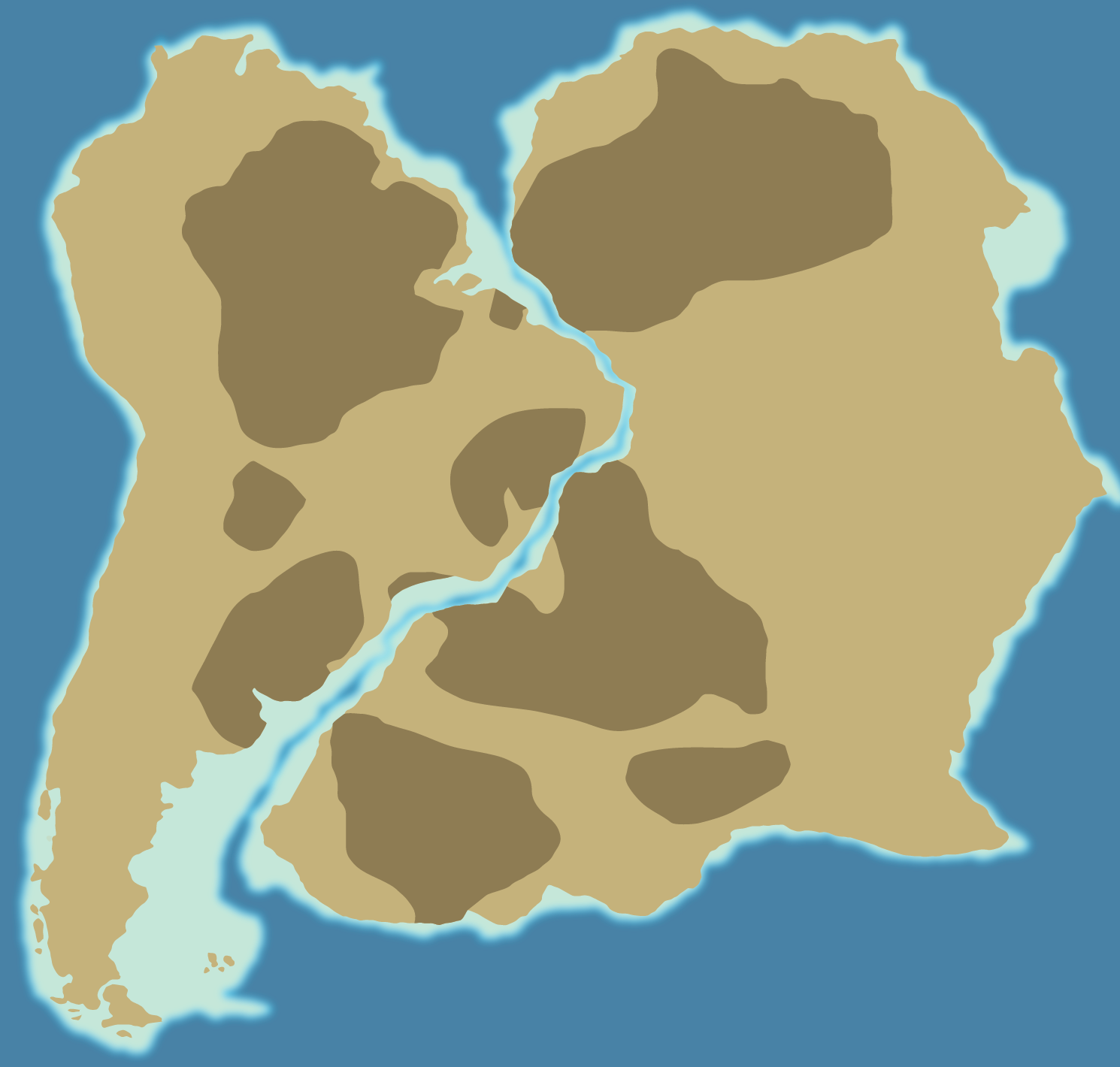
The fact that continents are moving was accepted by the scientific community only in the 1960s. One of the major pieces of evidence was magnetite. This is lava that solidifies into magnetic rock, and as it does, it aligns with the magnetic north.
When they took samples from the Mid-Atlantic Ridge (a massive plate boundary in the Atlantic), they found bands running parallel to the boundary, made of magnetite alternating in direction, corresponding to the magnetic poles of the earth switching every few thousand years. That means new rock has been forming there and the plates were moving outward.
Continental crust is light, so it doesn’t sink into the mantle easily. Cratons are pieces of continental crust that have never sunk into the earth to be recycled. That means these pieces have been there for like 3 billion years (pangea was just 300 million years ago).
The rock around the cratons sinks in one direction, and grows in the other direction, and that changes once in a while. Which means, places that are deep inside different tectonic plates today were close together at various points in time, like part of Canada and Australia.
These cratons also break and join each other, meaning points on Earth basically jump from the middle of one tectonic plate to the middle of another.