The Ghost Town of Dhanushkodi [India 2022]
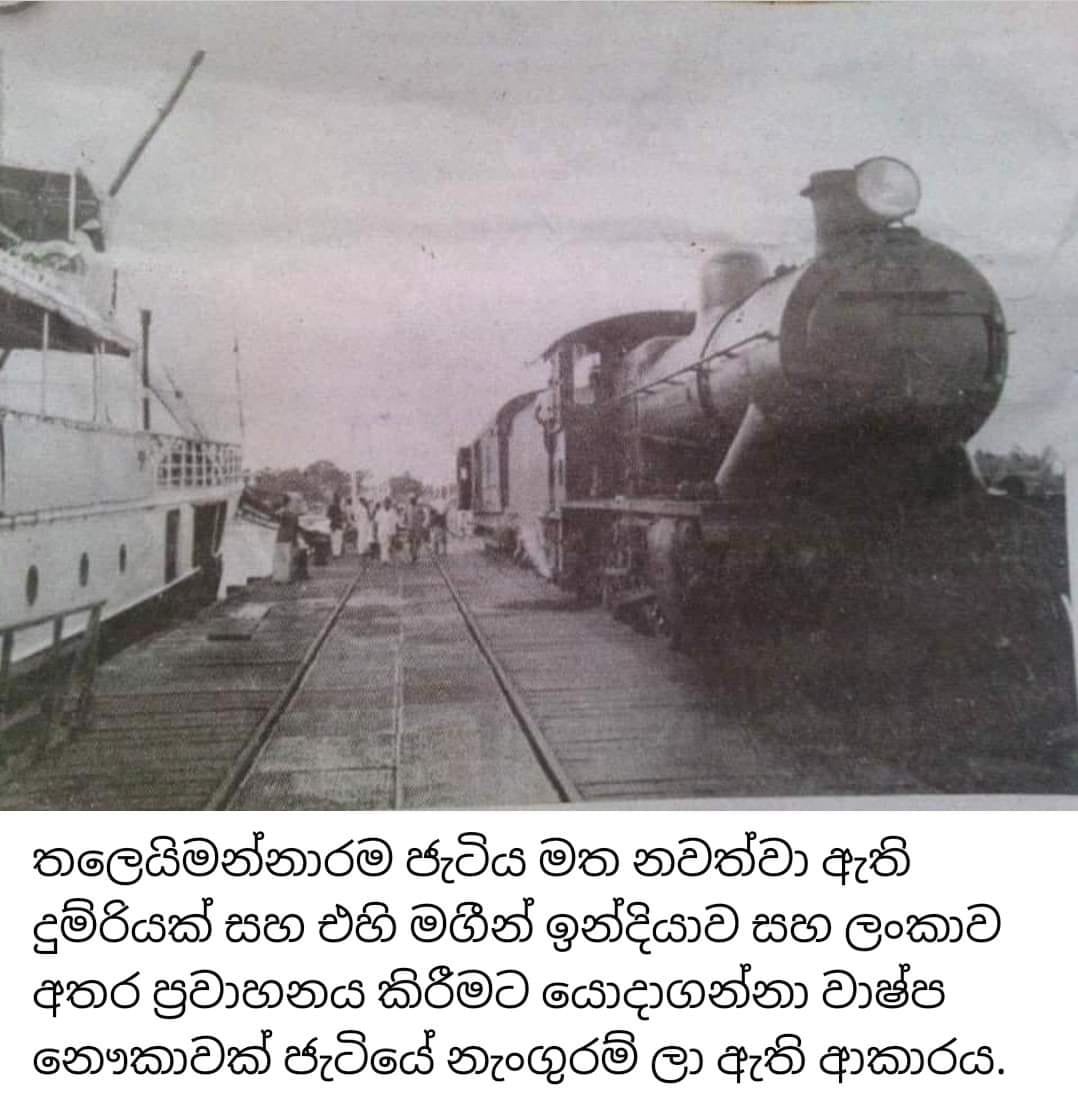
In the 1950s, from Colombo Fort Railway Station, you could take a train ticket to Dhanushkodi (India). The train would take you to Thalai Mannar, then out to sea (photo), where you would be switched to a ferry that would take you to the vibrant little town of Dhanushkodi, where you could switch back to rail. This entire town was obliterated within just 2 hours in 1964 by a cyclone that killed 18,000 people in India & Sri Lanka. Dhanushkodi stands as a ghost town today.
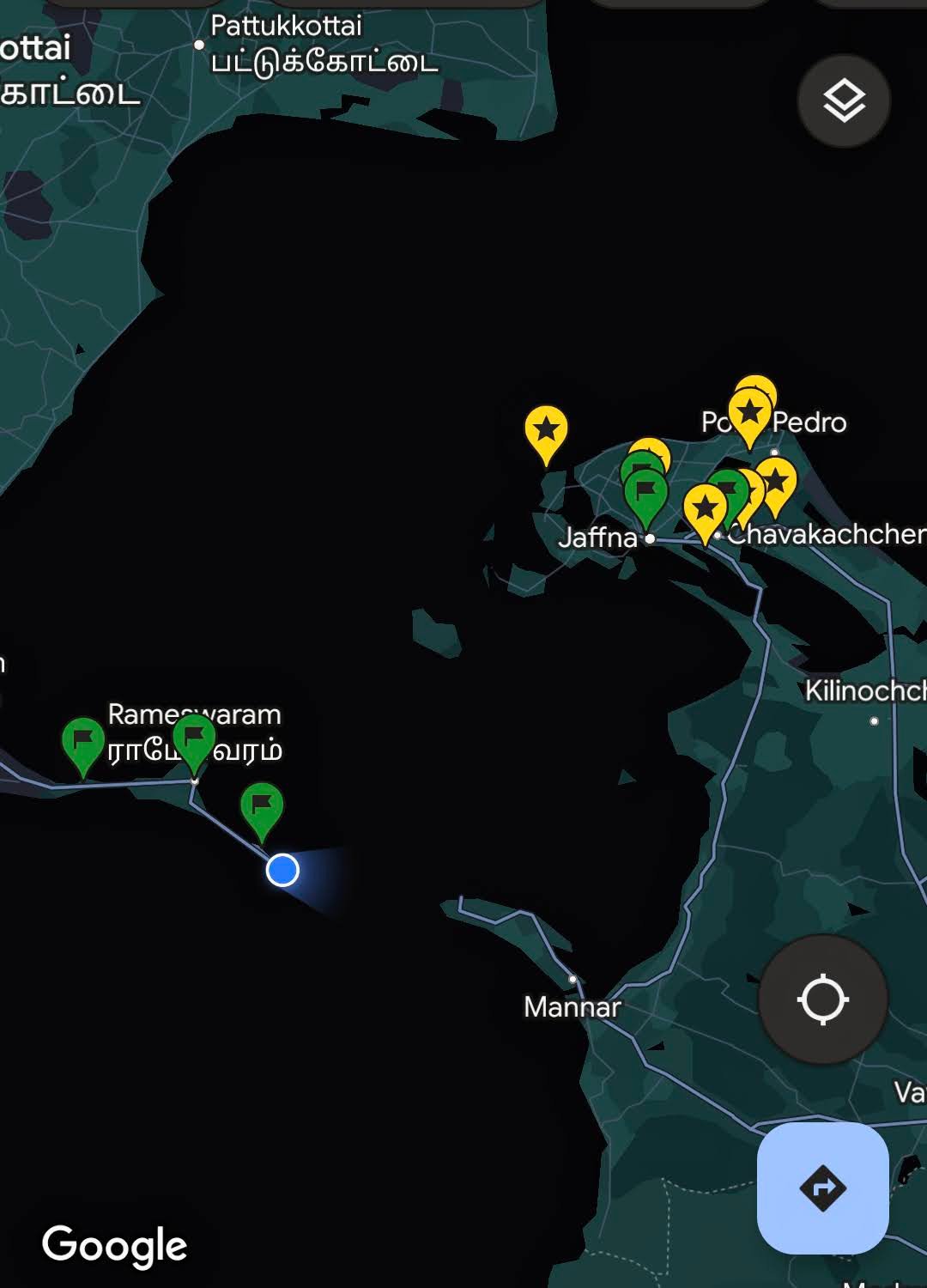
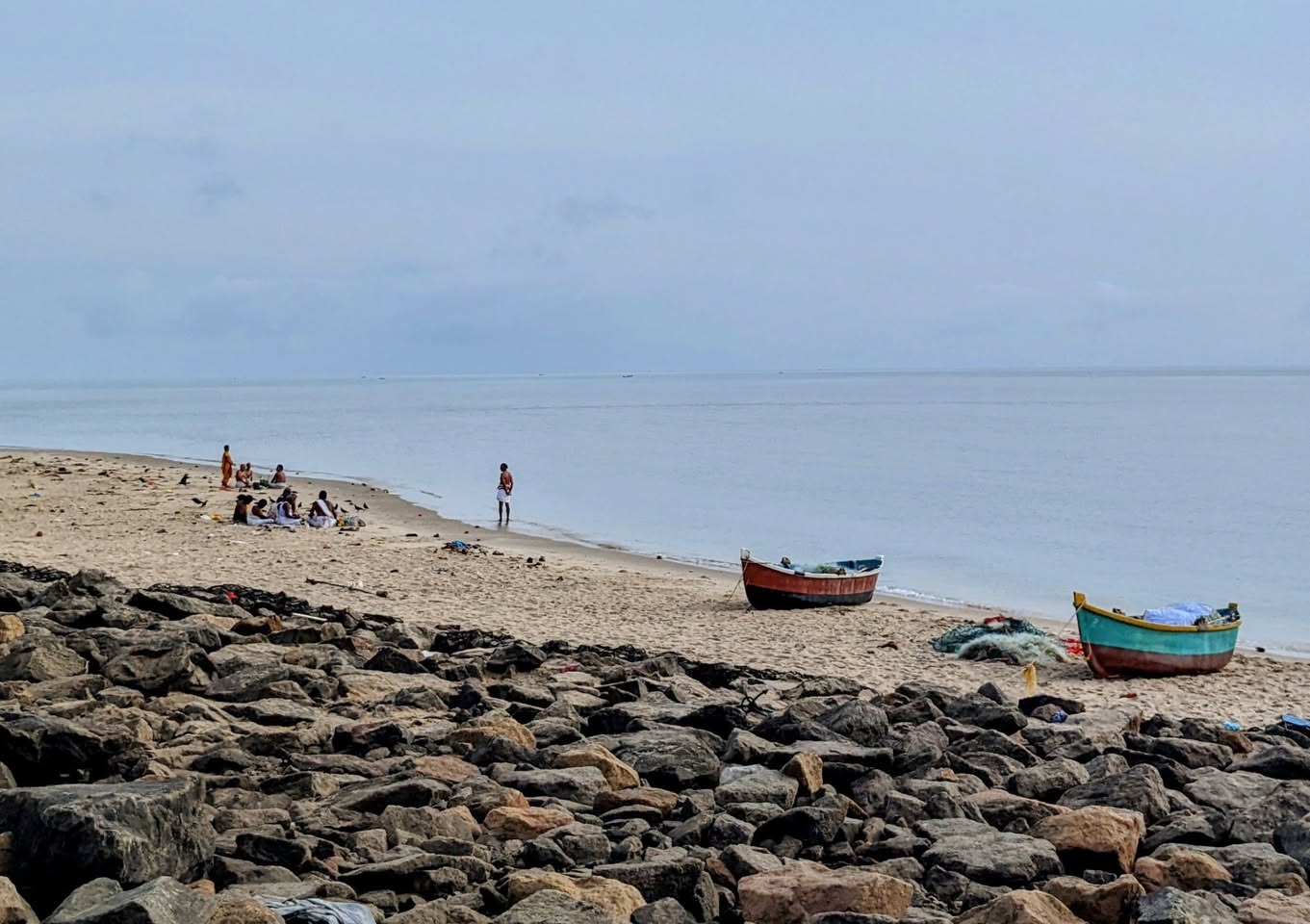
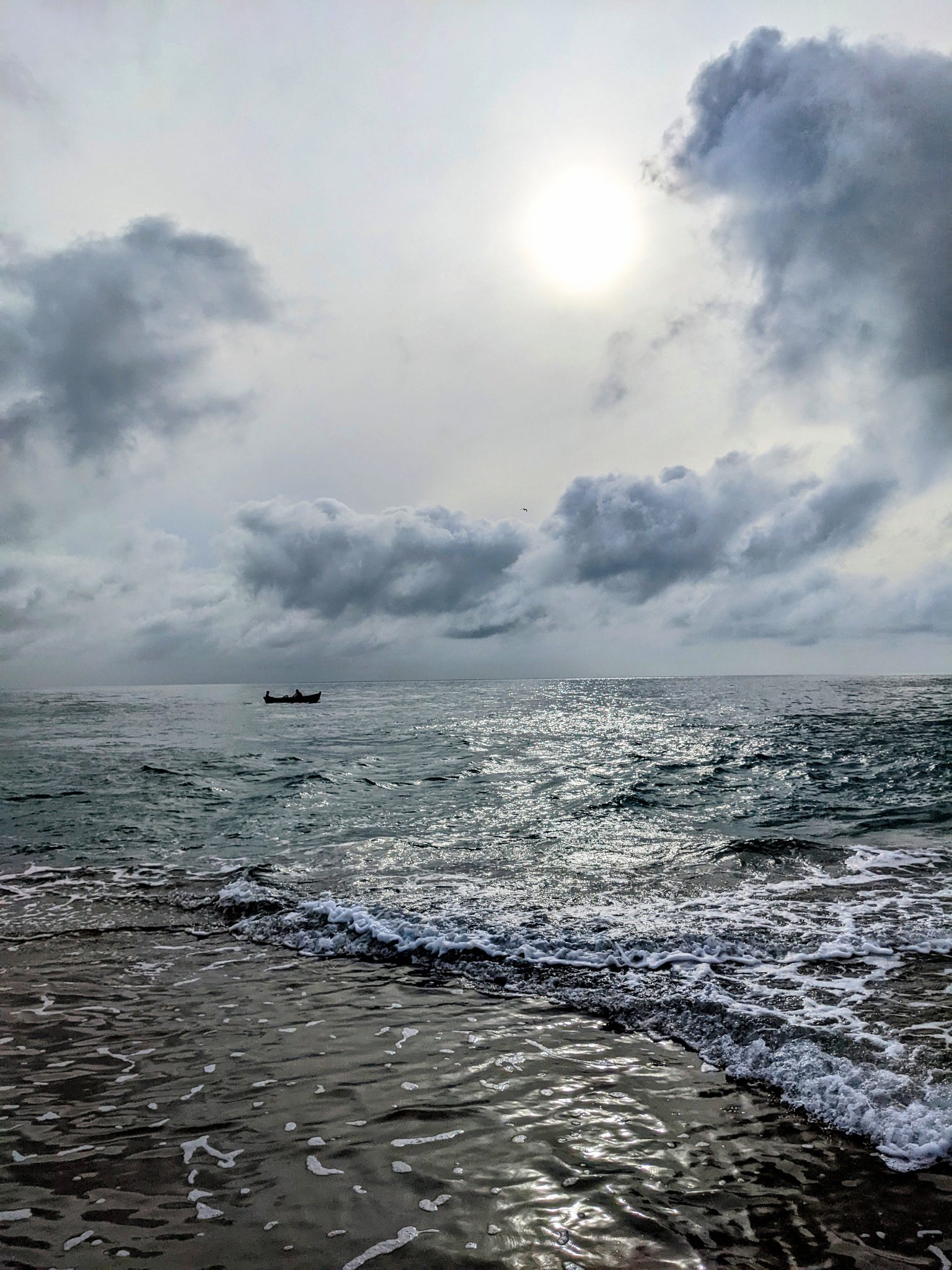
As many of you know, I have been backpacking (yes, again) around India for 6 weeks, from Himachal Pradesh, Punjab, Mumbai, along the west coast, and then up along the east coast to Kolkata. Halfway across the trip, I stood just 22 km away from Sri Lanka (photo), next to Dhanushkodi.
On December 22, 1964, the “Rameshwaram Cyclone” formed over the Andamans, and first hit Northern Ceylon with 15-foot-high waves. 5,000 houses were destroyed, and 1,000 people were killed, and the SL government called it “the greatest tragedy to ever hit Ceylon”.
The next day, at 8 pm, the cyclone hit Dhanushkodi, wiping it clean with a 25-foot-high wave within two hours and killing 800. Parents of today’s inhabitants climbed the big trees and waited till the morning to get down and walk back to Rameswaram. The film stars Gemini Ganeshan & Savitri had visited there for a shoot just hours before the cyclone, but chose to stay in Ramanadapuram instead for better facilities and hence survived.
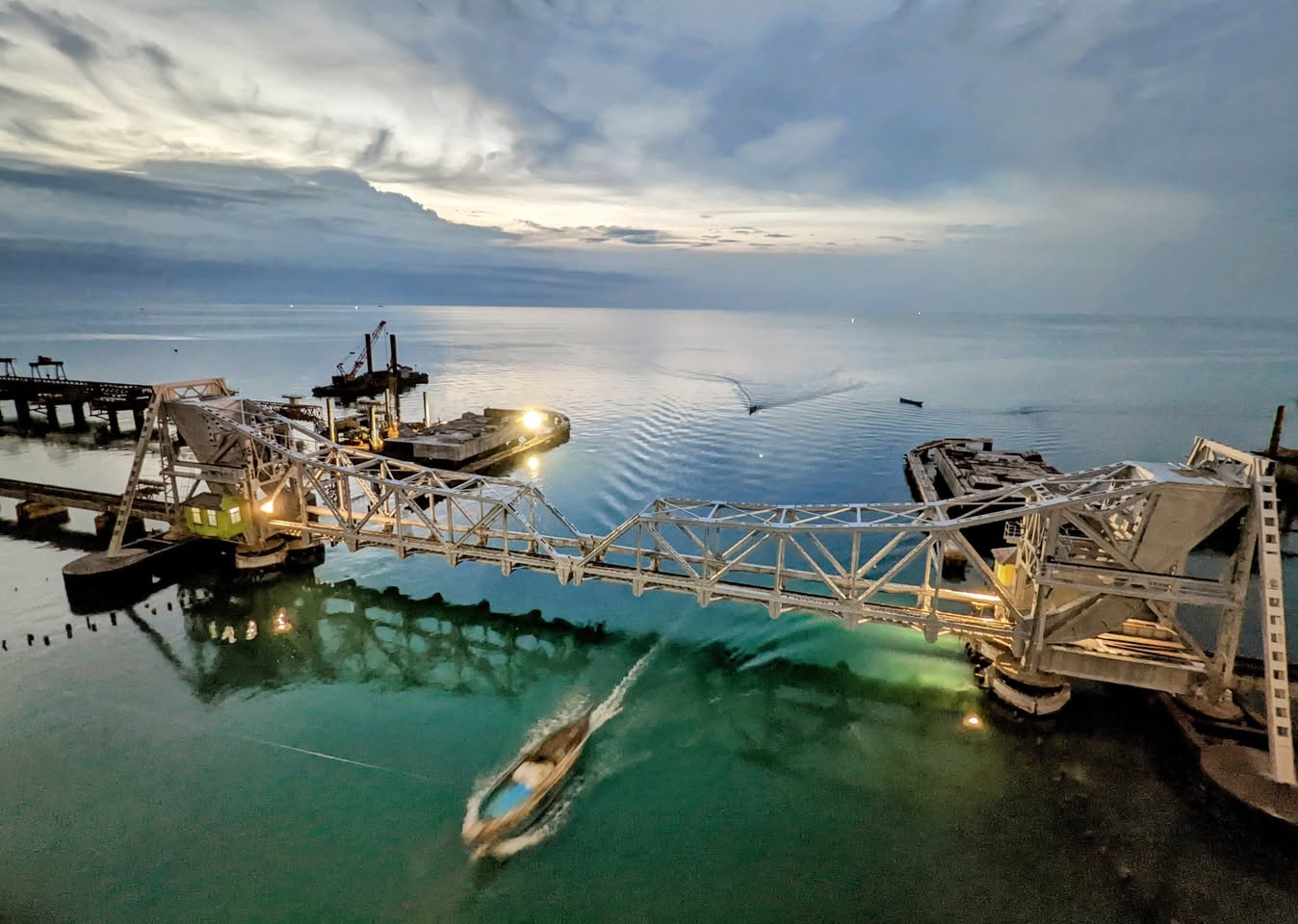
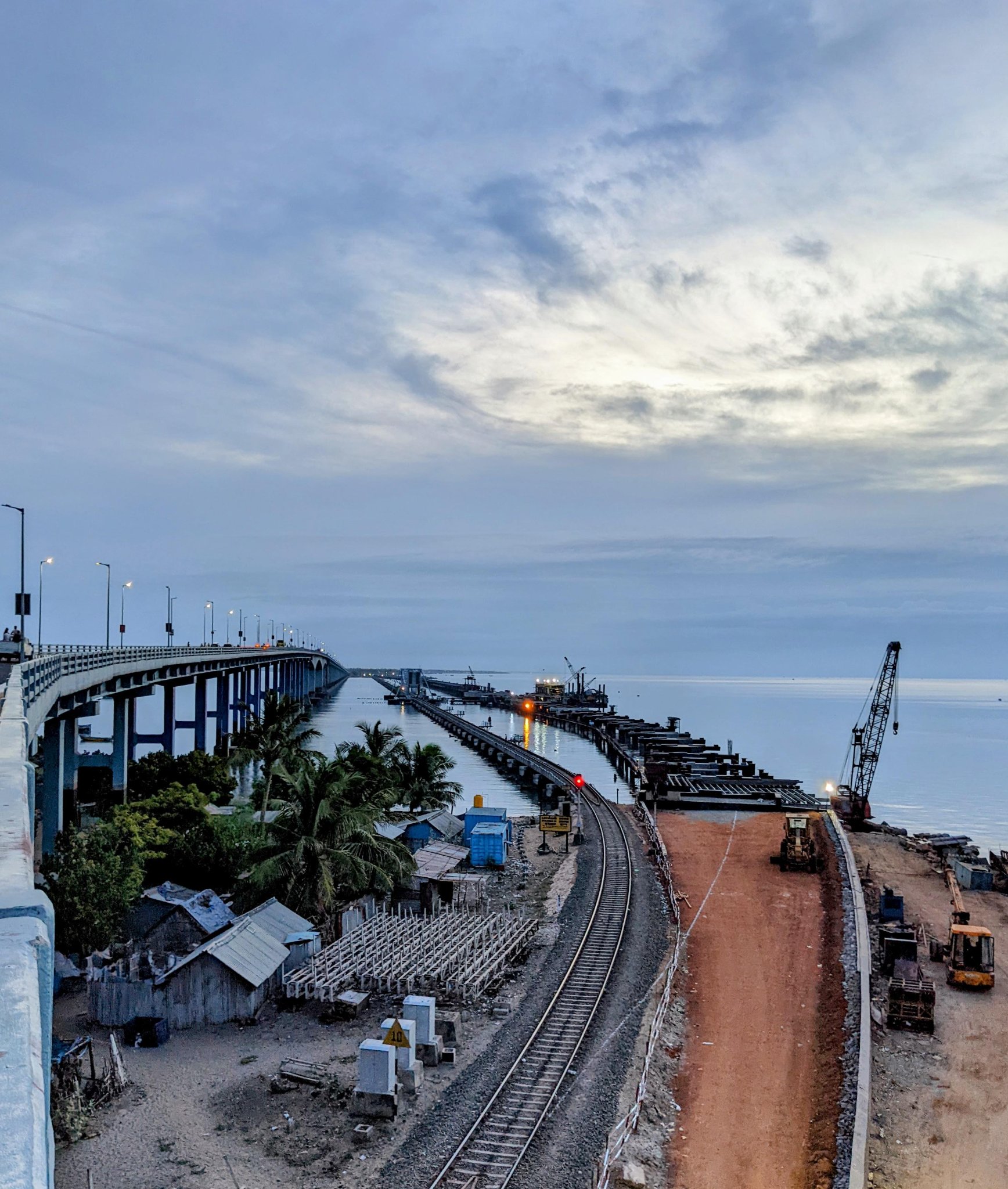
The famous Pamban Bridge (photo) connecting Rameshwaram island to mainland India was destroyed while a train was crossing, killing all 200 passengers. Four radio operators of Dhanushkodi chose to stay and continue live broadcasting through the storm. The storm surge eventually washed them away, but they survived by clinging to the Pamban bridge for 12 hours. The engineer E. Sreedharan rebuilt the railway bridge within 45 days, a task expected to take six months.
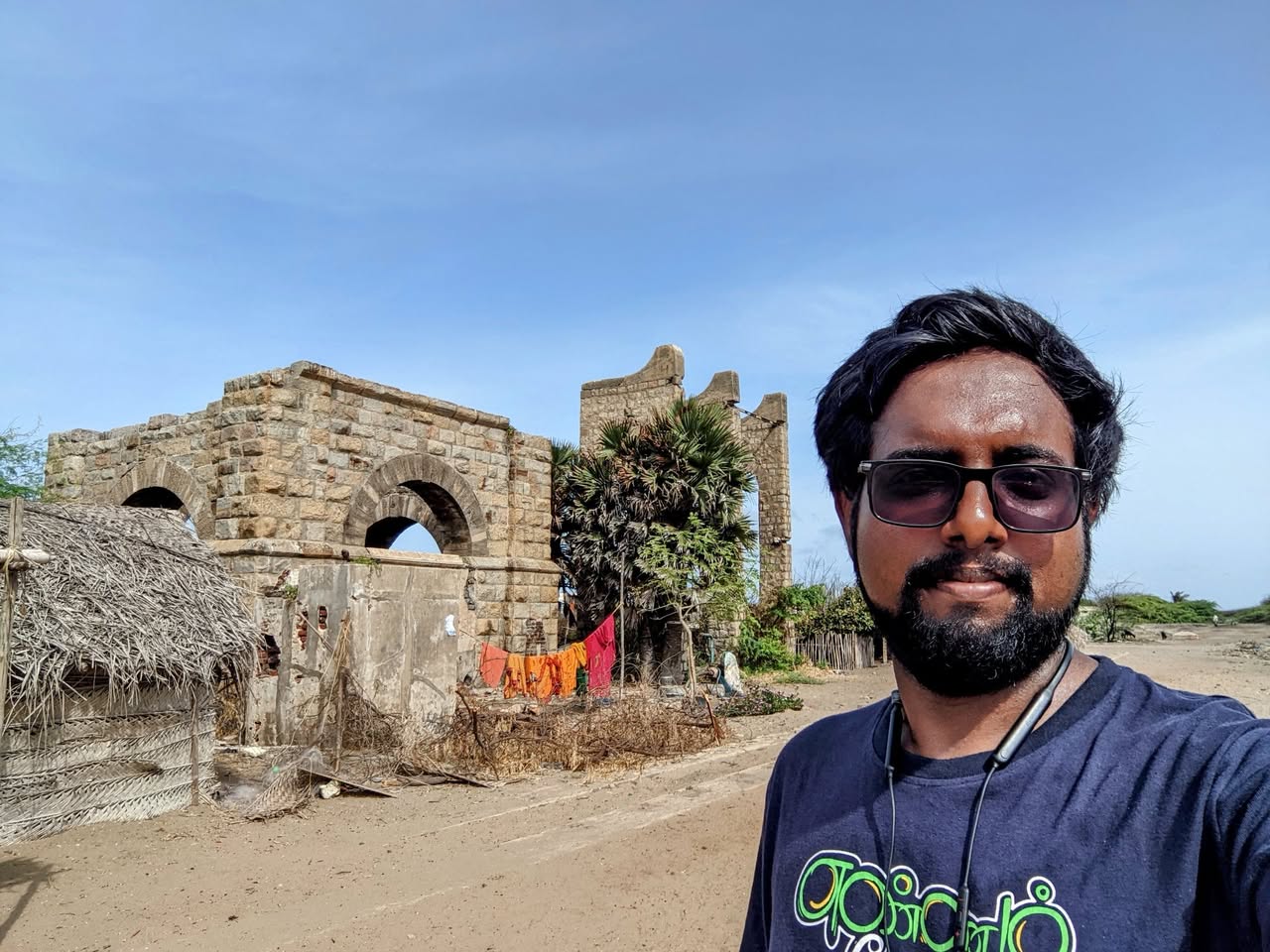
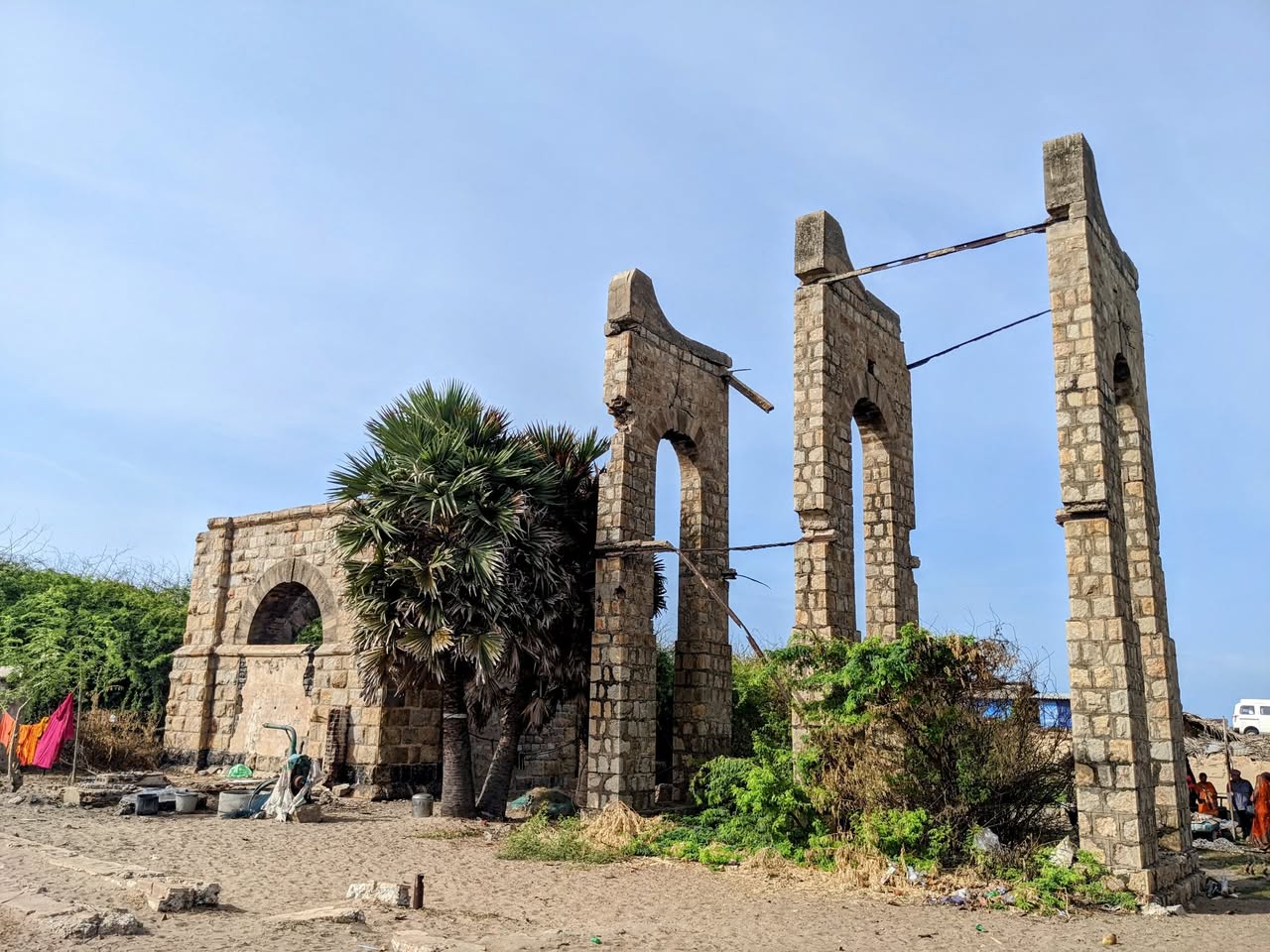
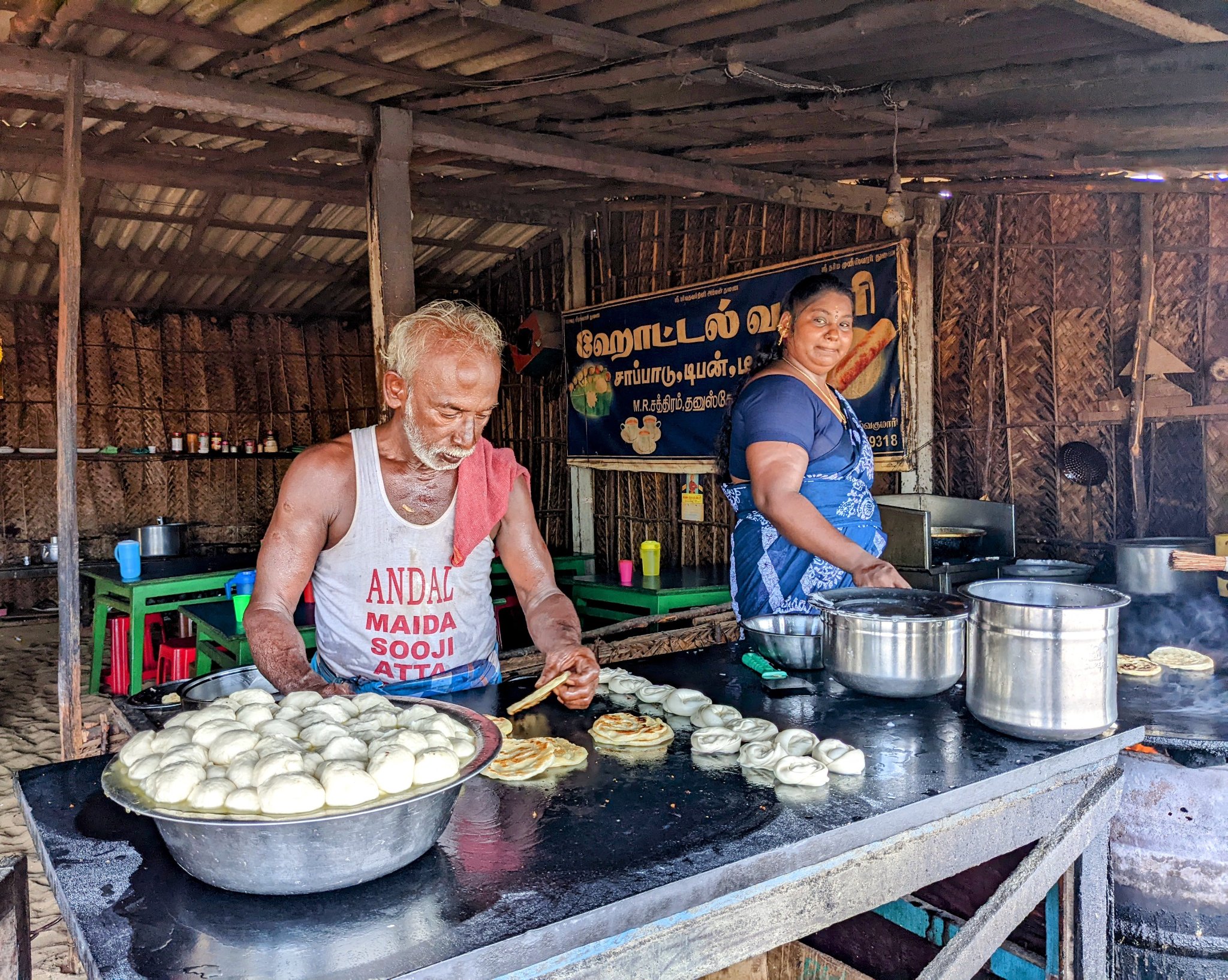
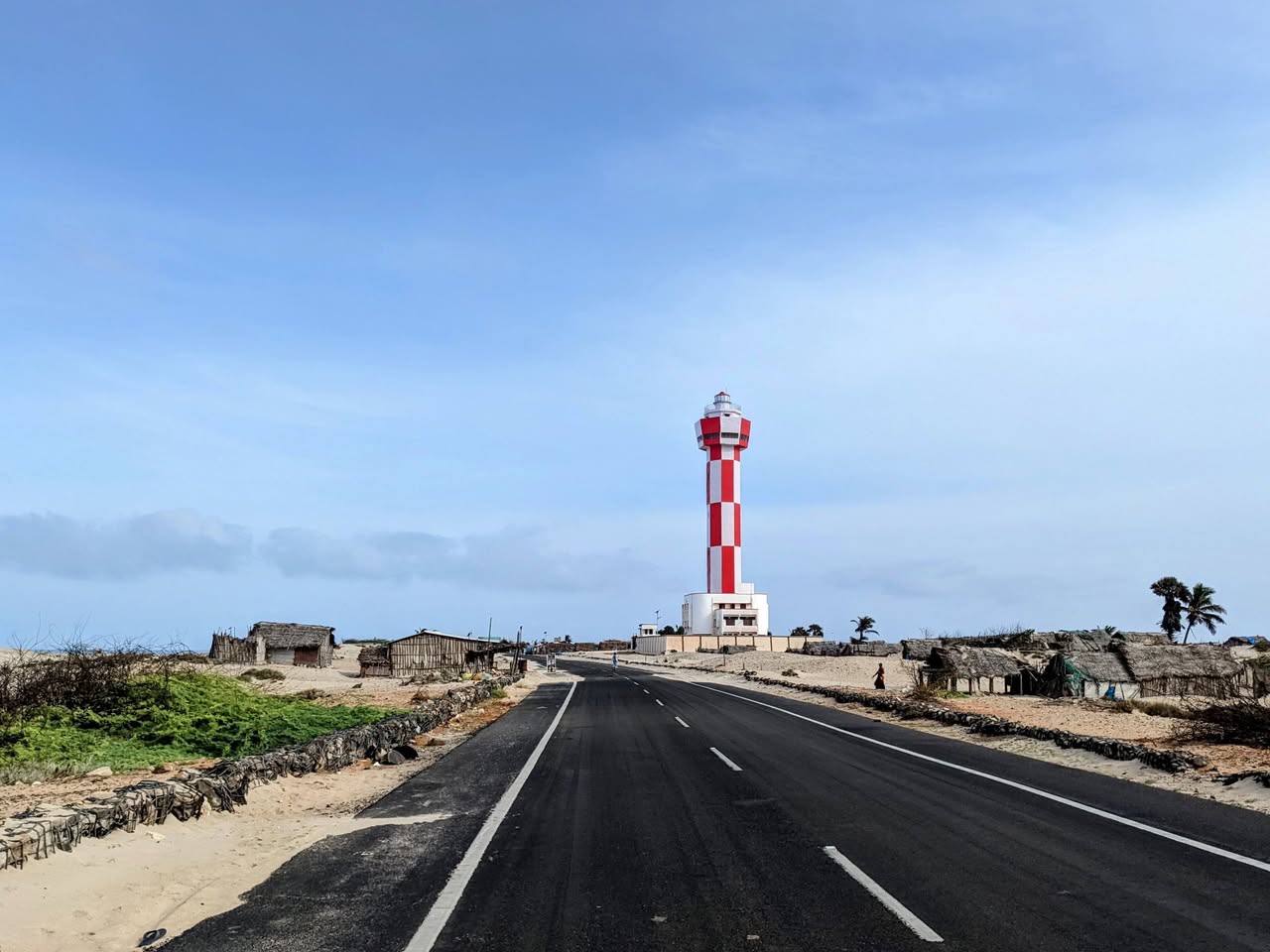
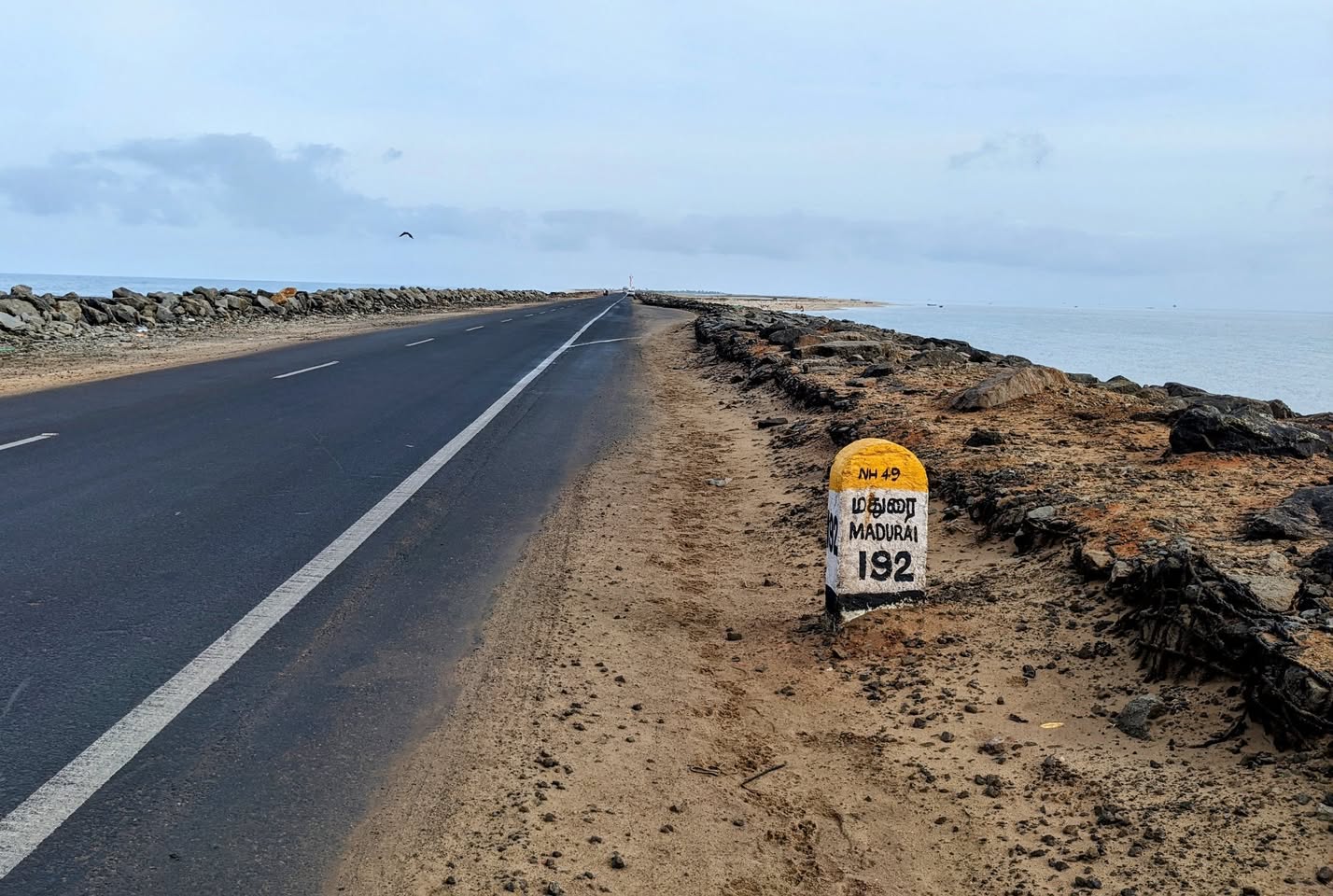
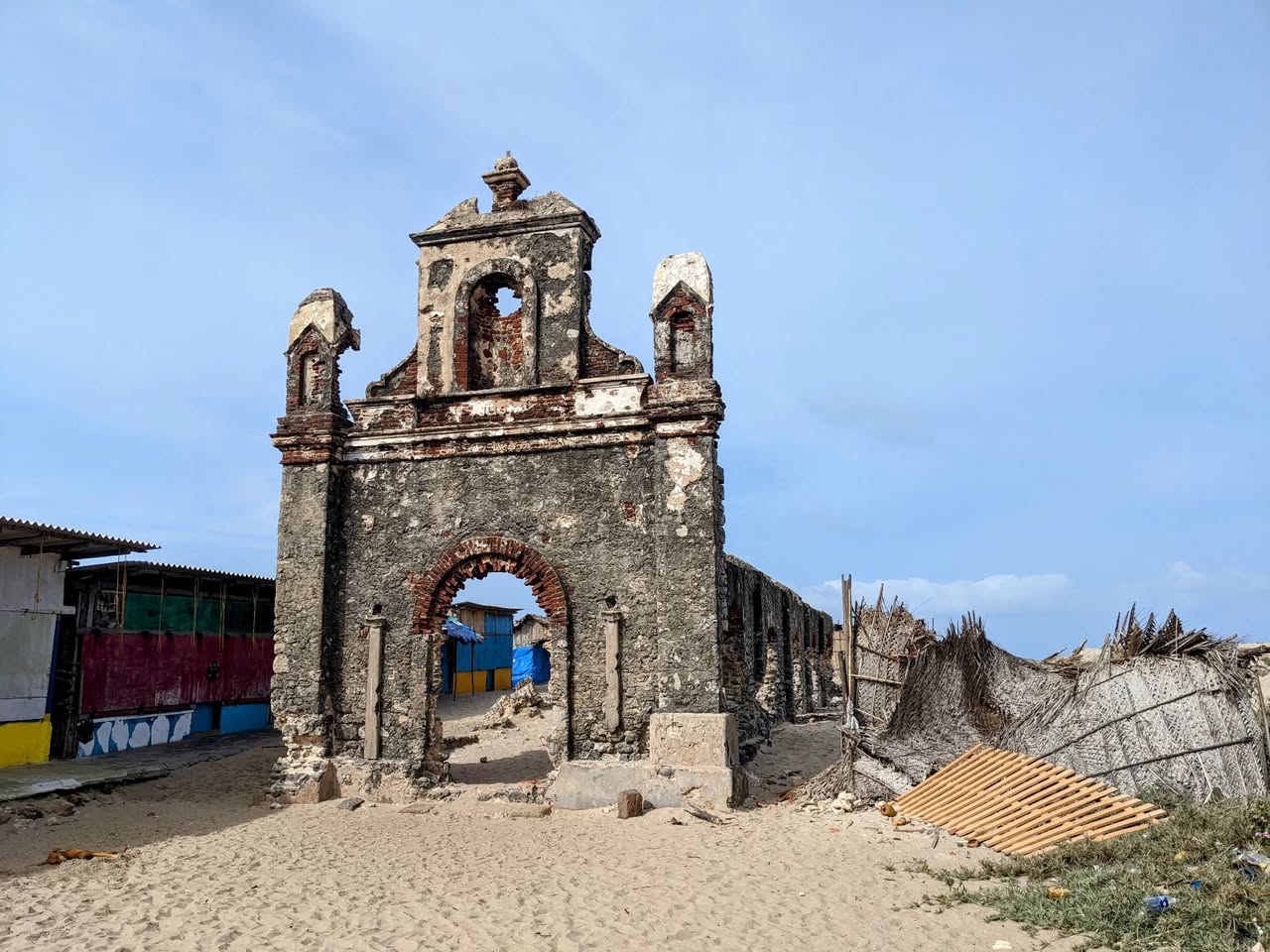
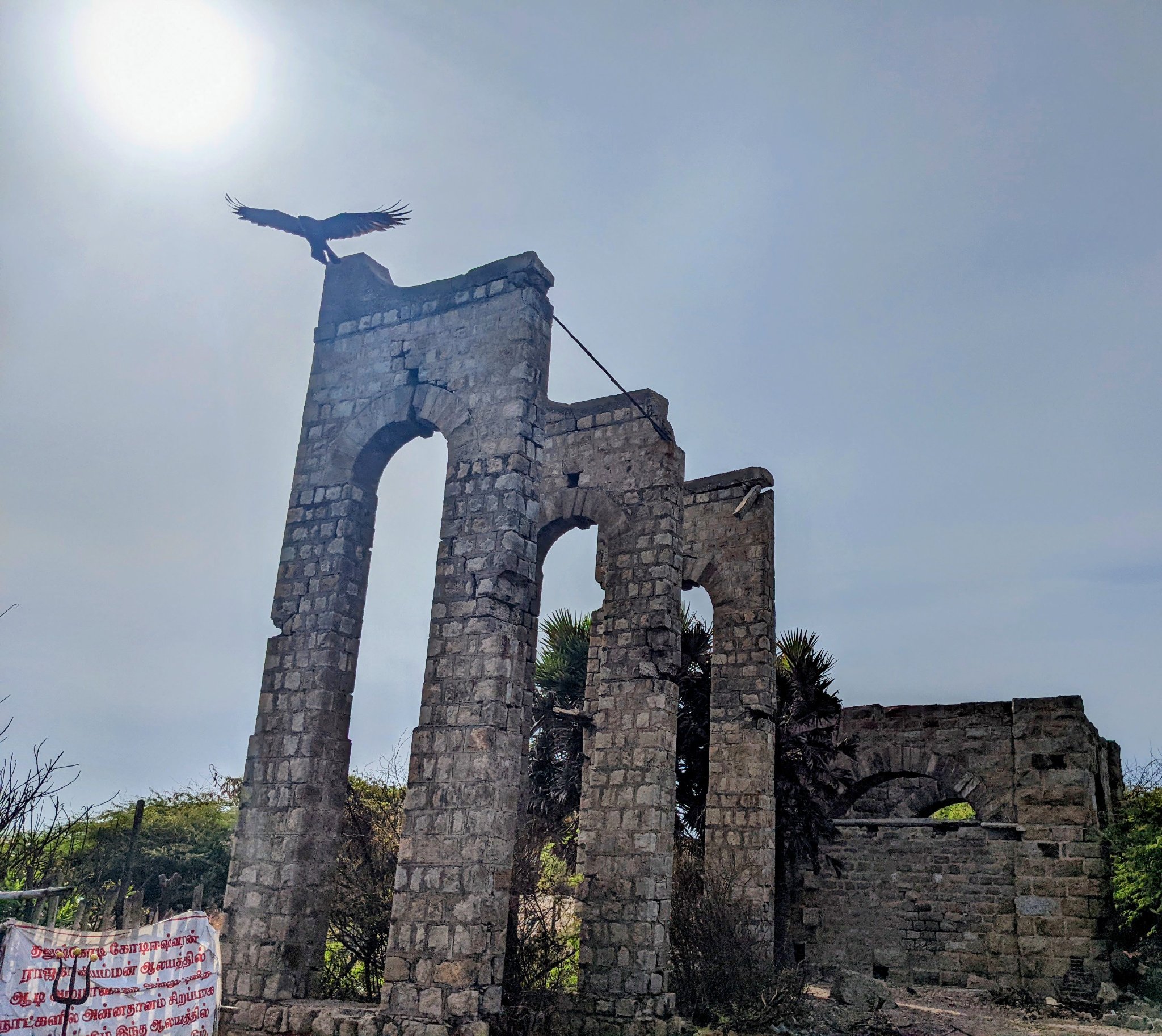
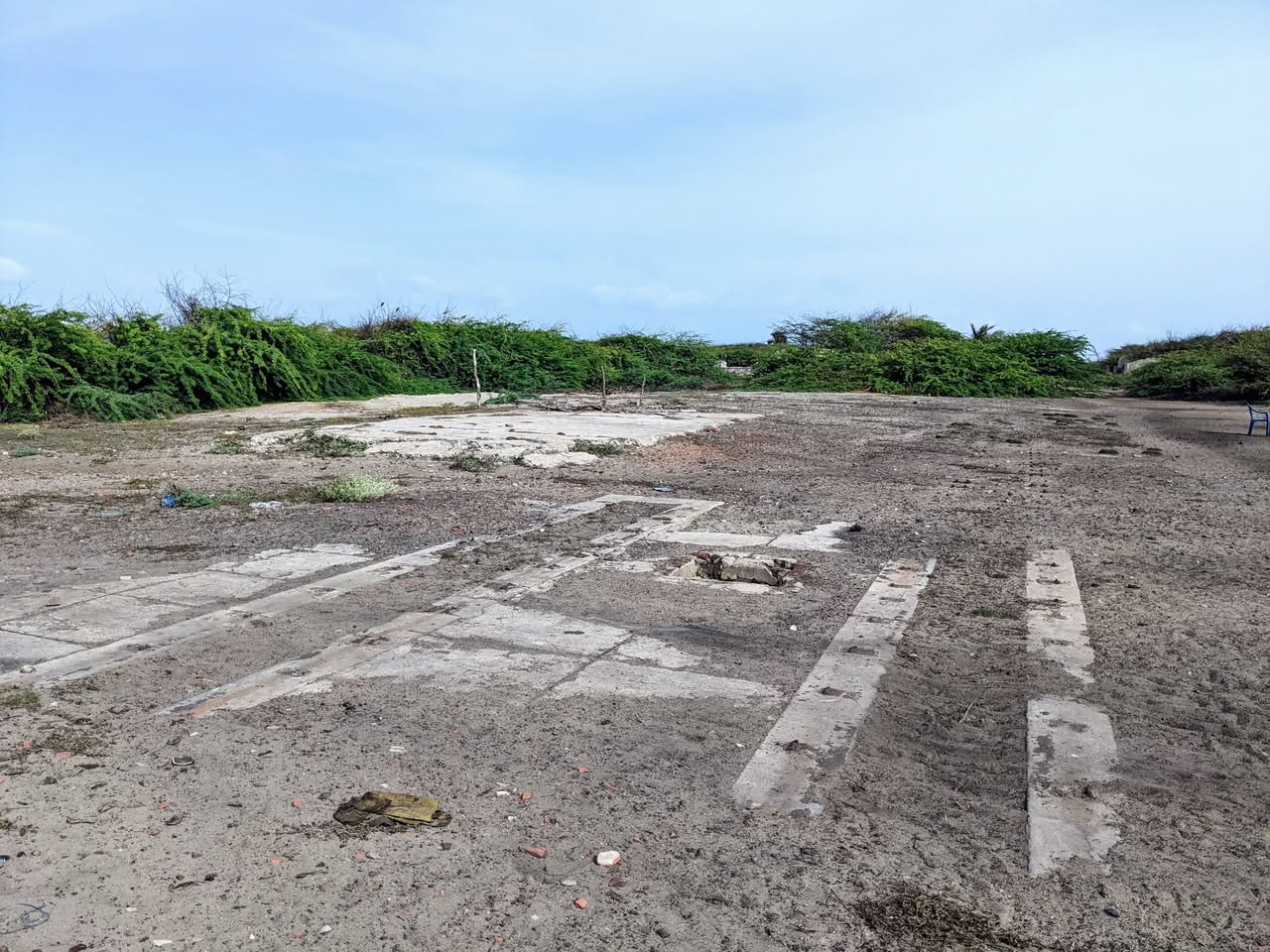
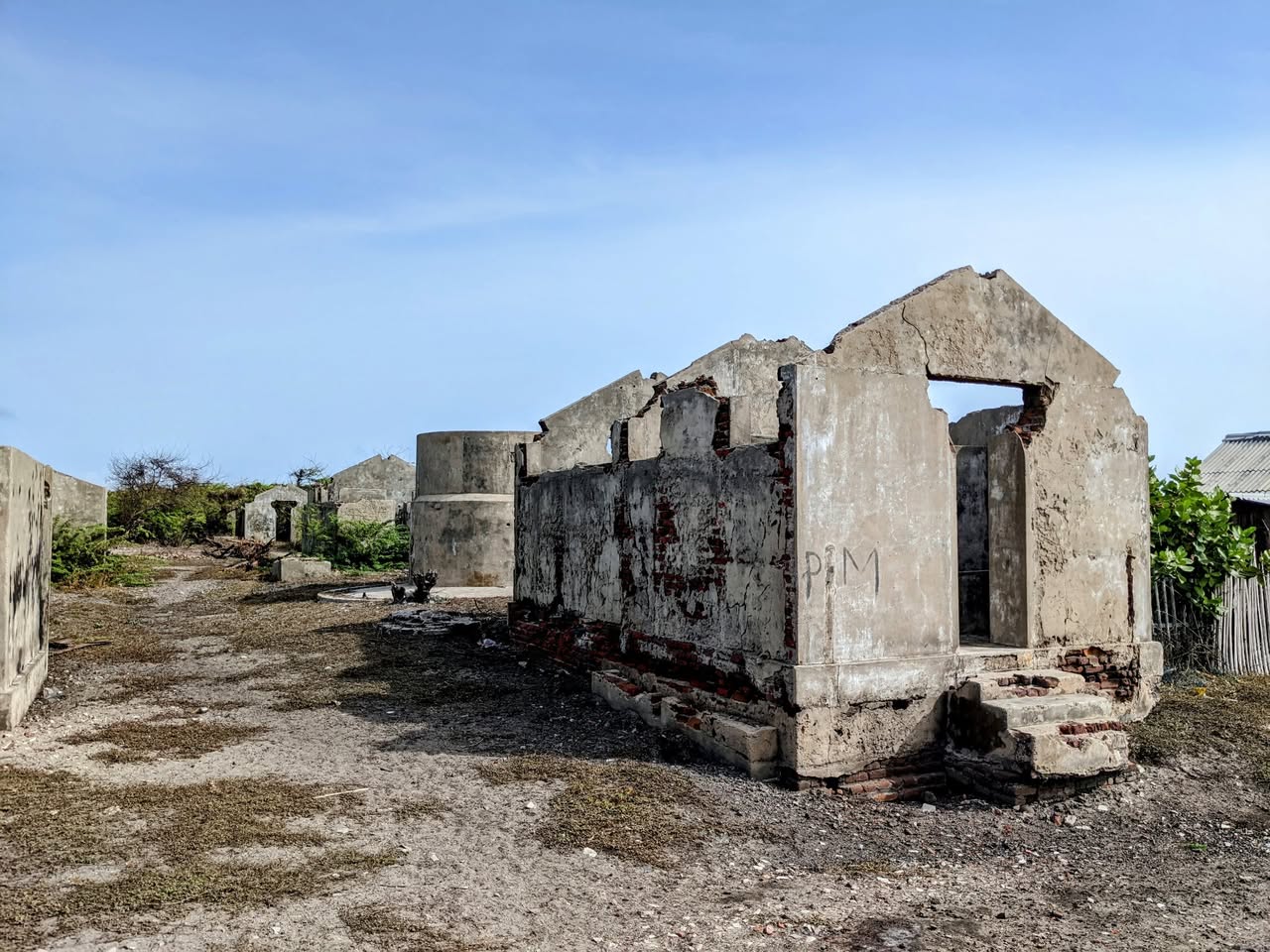
The town of Dhanushkodi was abandoned after losing its transport facilities and has remained a ghost town, with looming ruins of the railway station, a church, and the narrow gauge rails (photos). In 2016, the Indian government extended the national highway up to Dhanushkodi and has allowed descendants of previous inhabitants to settle there. There are small schools, restaurants, and shops, some housed in the ruins of the old railway station. The town is getting a new railway station soon.
I also visited the famous Mandapam refugee camp, where my Grandpa worked for a short while in 1959 when it was a property of the Sri Lankan government. That would be the next post.