Kochi - Queen of the Arabian Sea [India 2022]
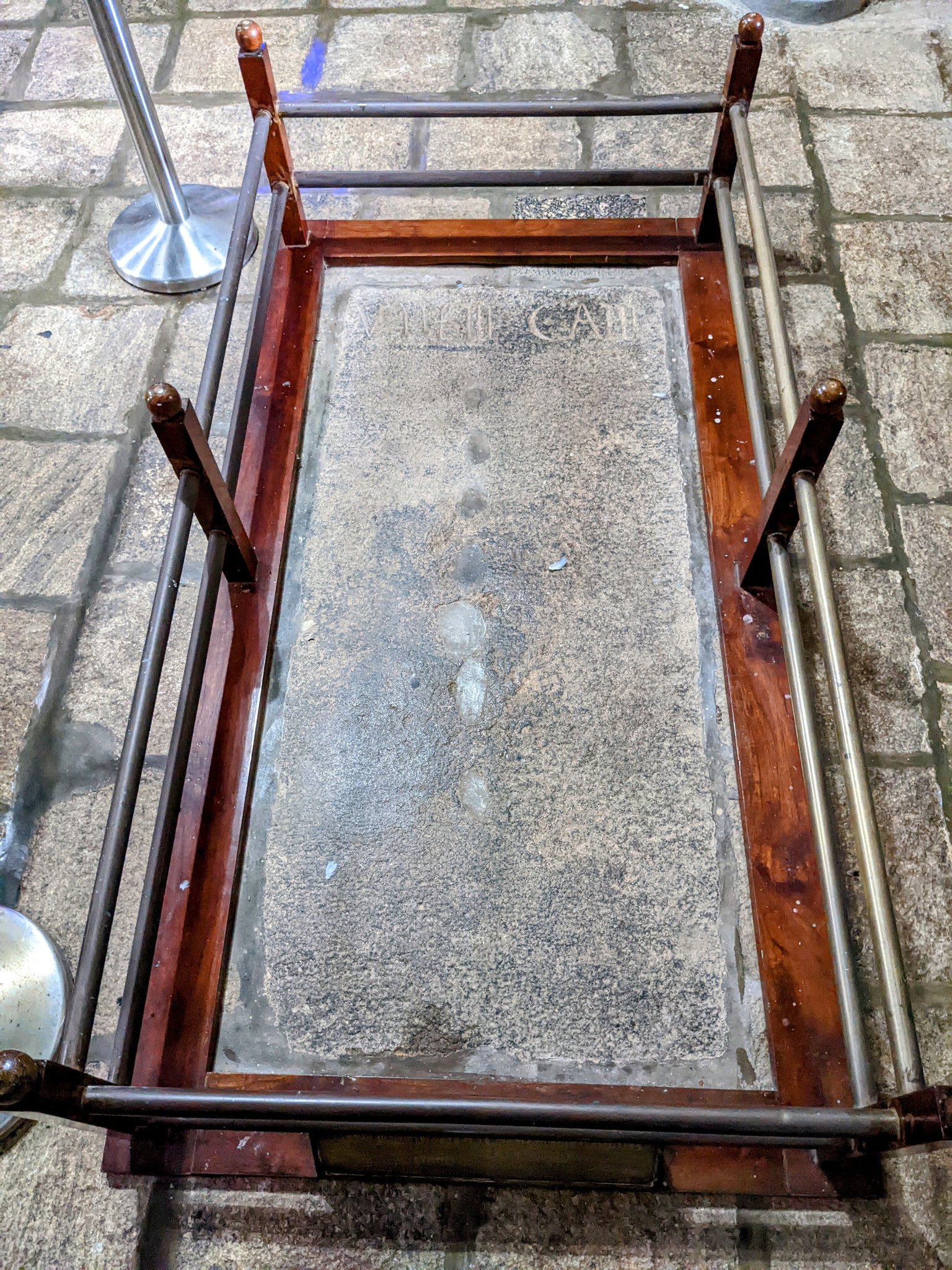
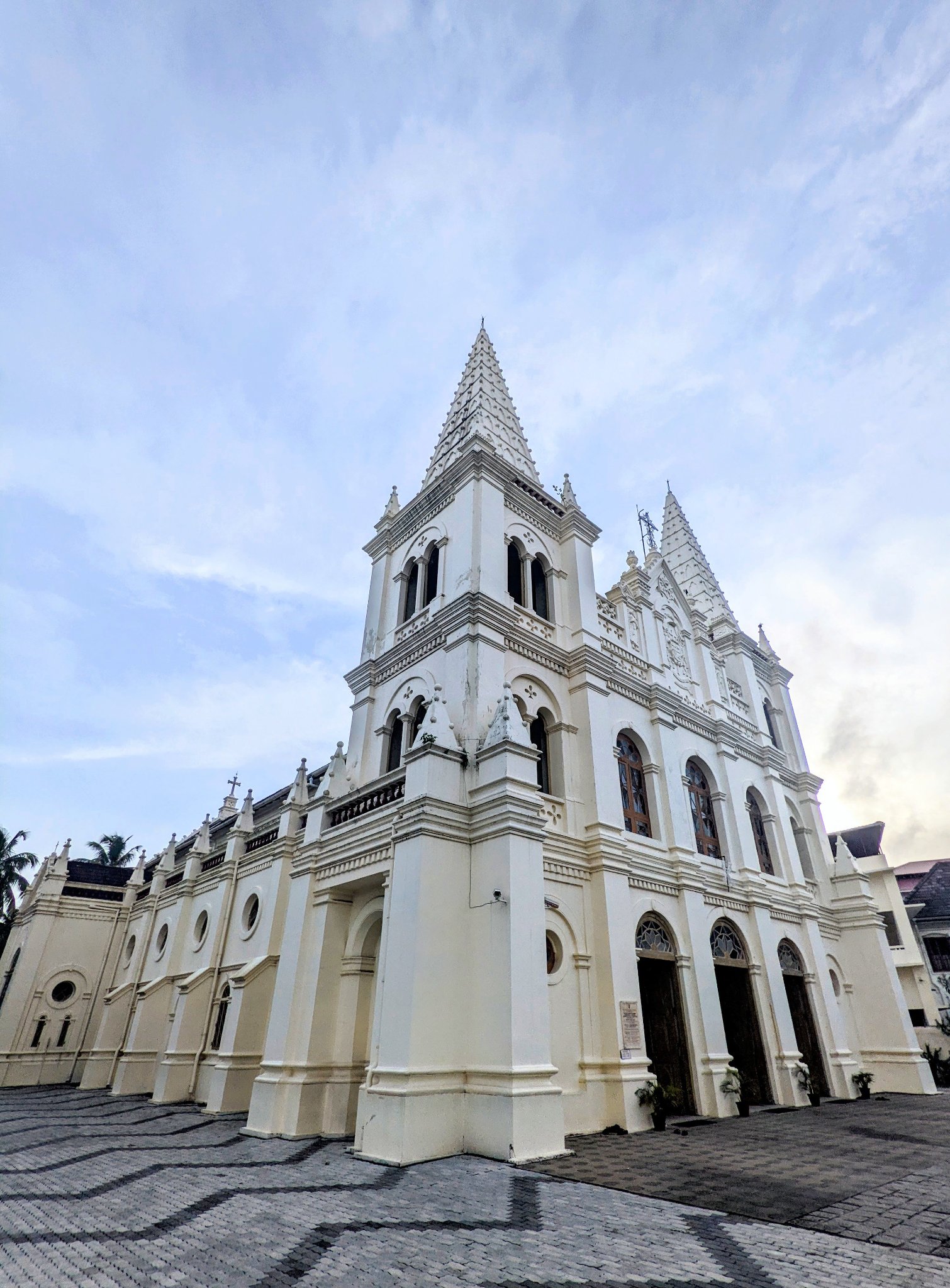
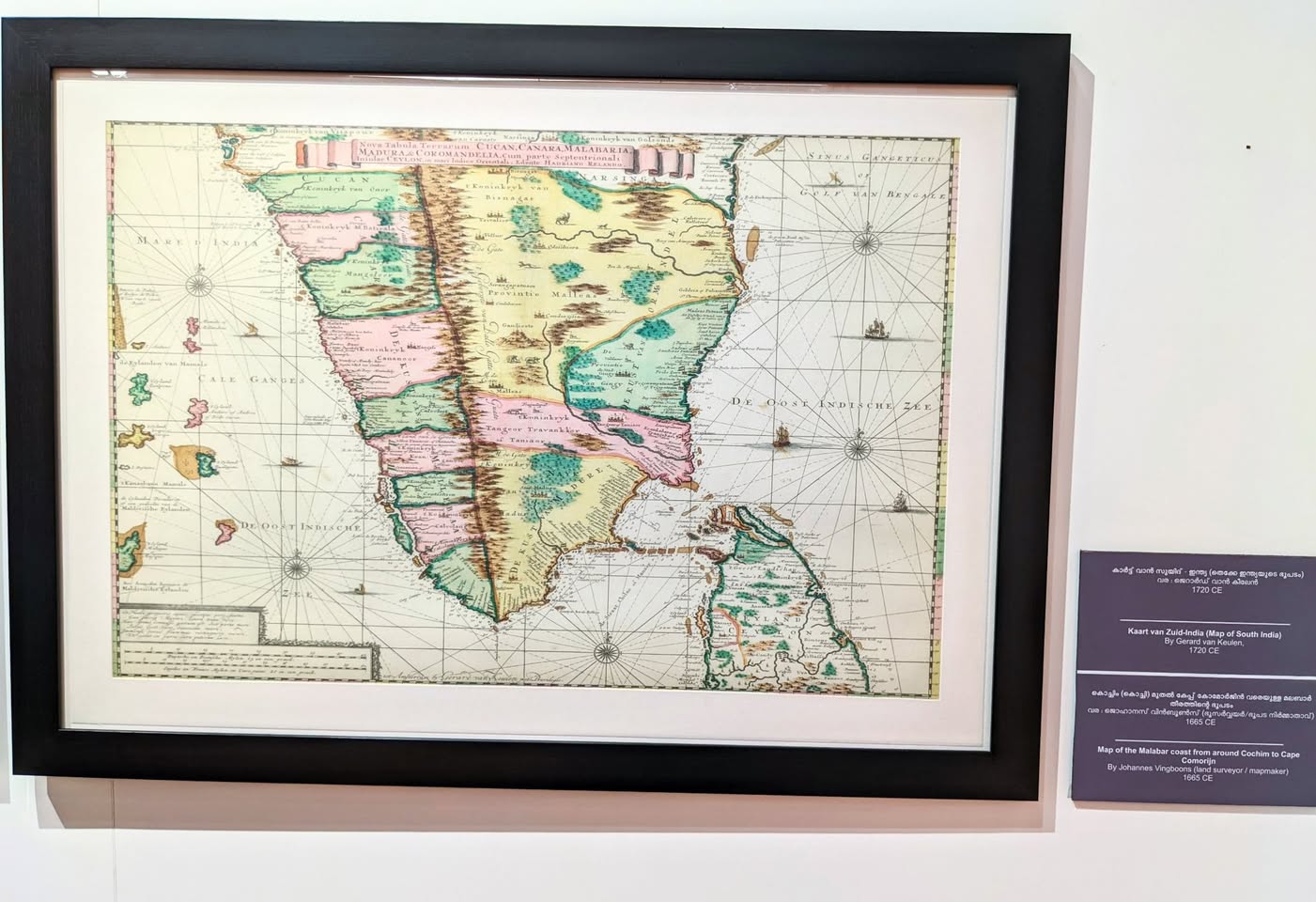
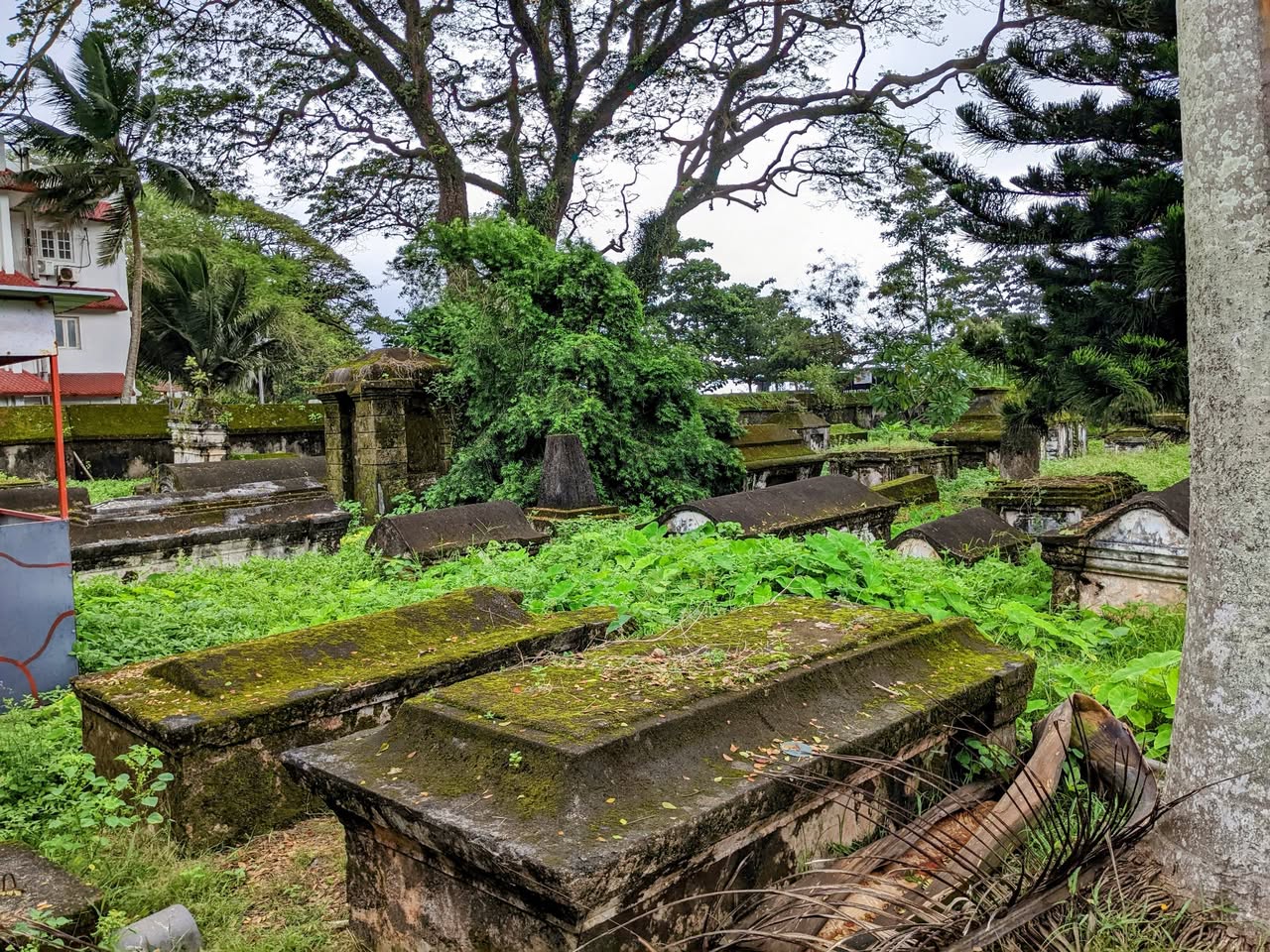
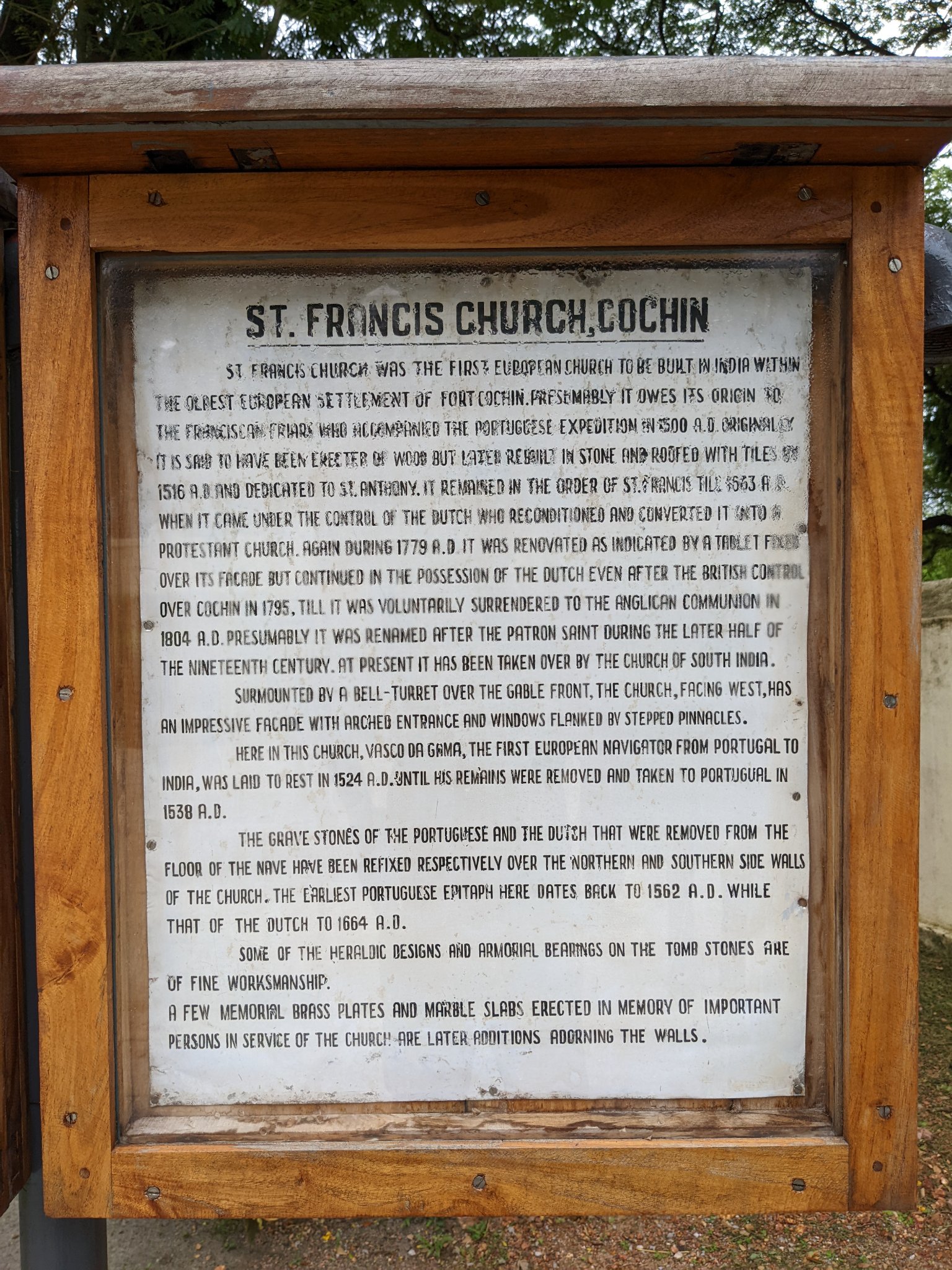
In 1341, a massive flood of the river Periyar destroyed Kerala, reshaping its coastline in the process. This formed the natural harbour of Kochi almost overnight. It was so important, that Chinese kings went to great lengths to influence and install friendly kings there in the 15th century. In 1498, Vasco da Gama landed in nearby Calicut, opening a direct trade route to Europe. Facing resistance in Calicut, the Portuguese moved and settled in Cochin. Vasco Da Gama’s body was buried here (photo of tomb) until it was moved to Lisbon 15 years later.
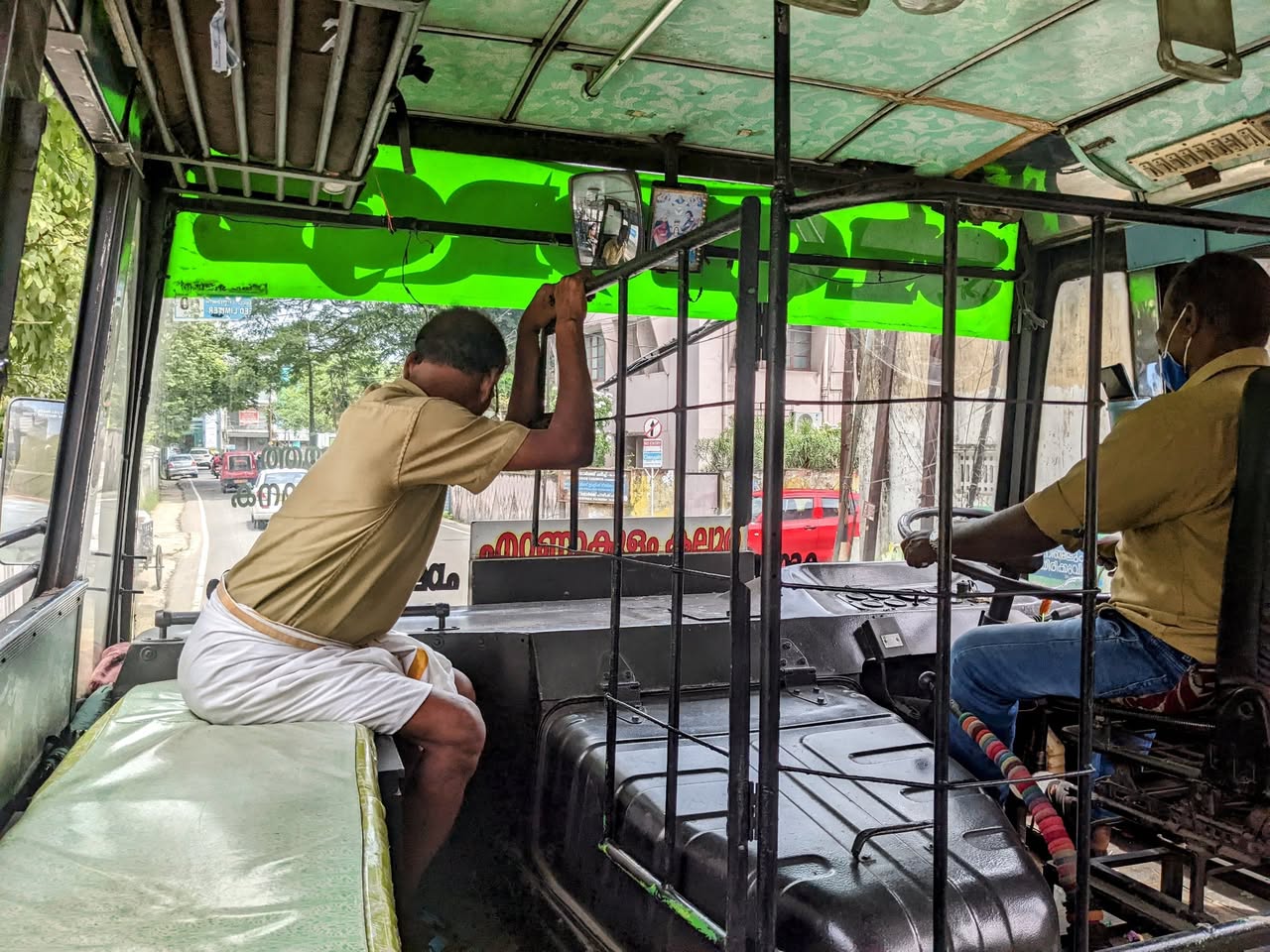
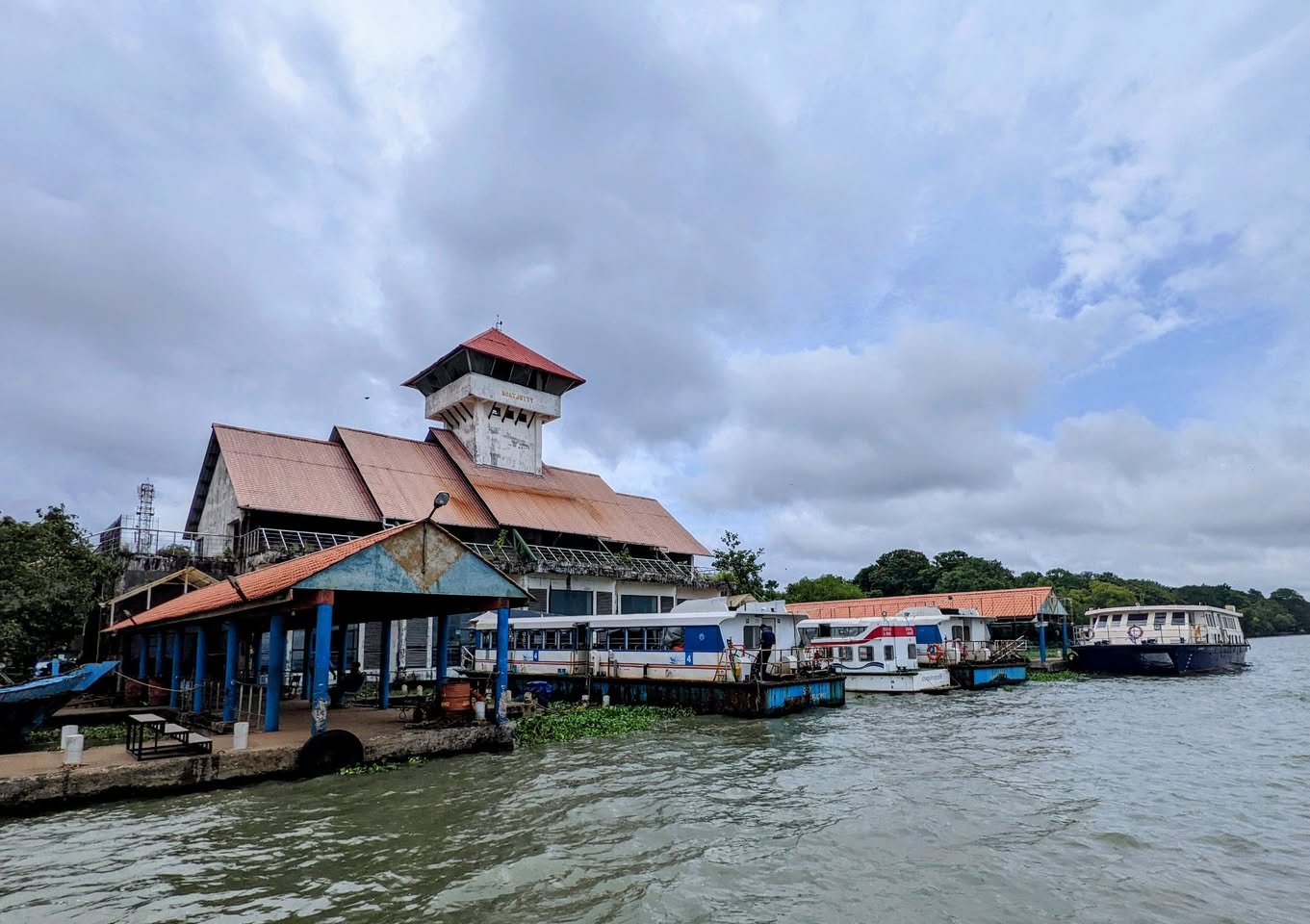
Today, Kochi is the financial, commercial and industrial capital of Kerala. Yet, it still preserves the Portuguese vibe along with Kerala’s culture. I reached the nearby Ernakulam station by train at 5 am, rested for a while in a hotel, and took a bus and a ferry to the Kochi Fort area.
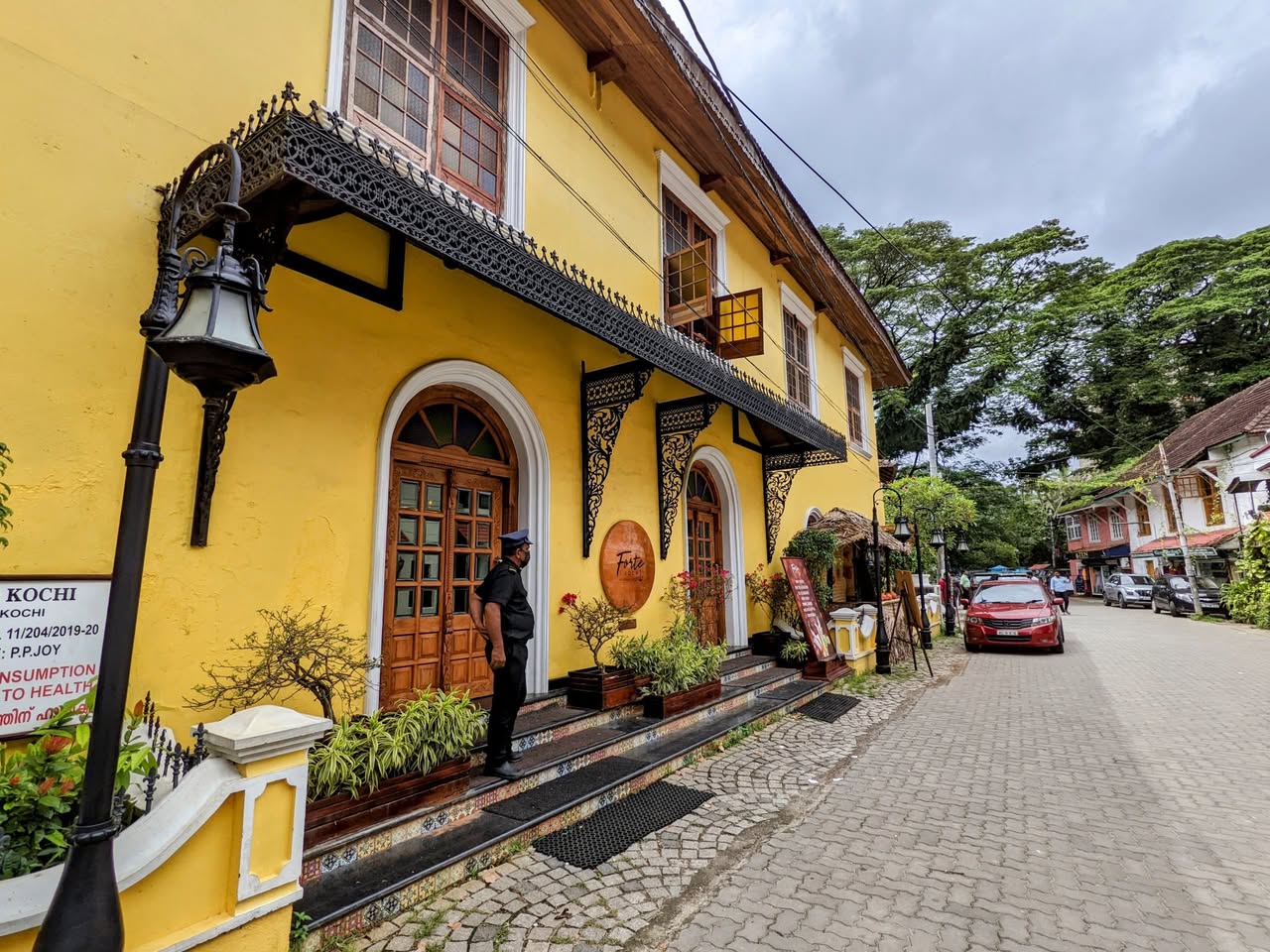
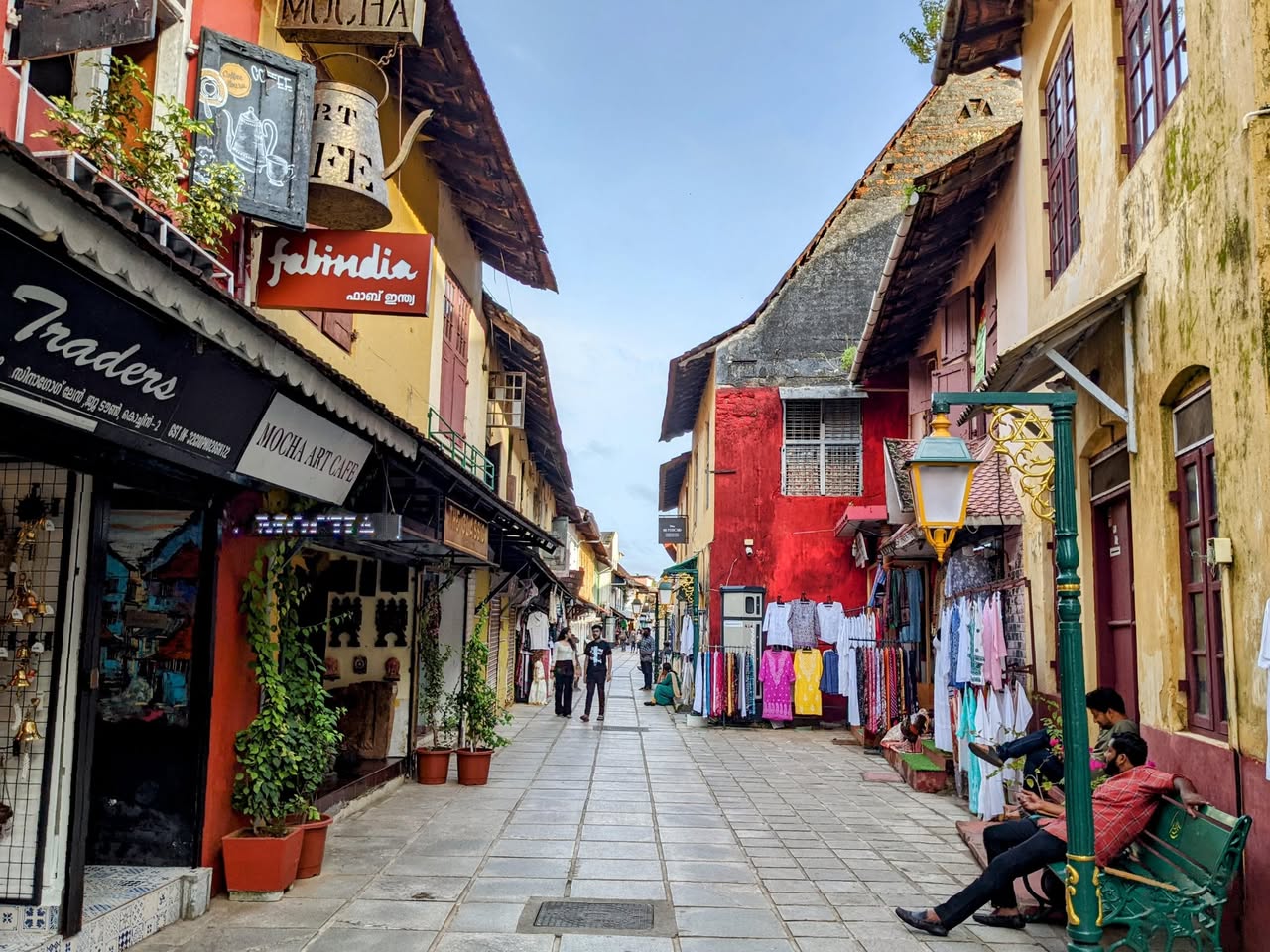
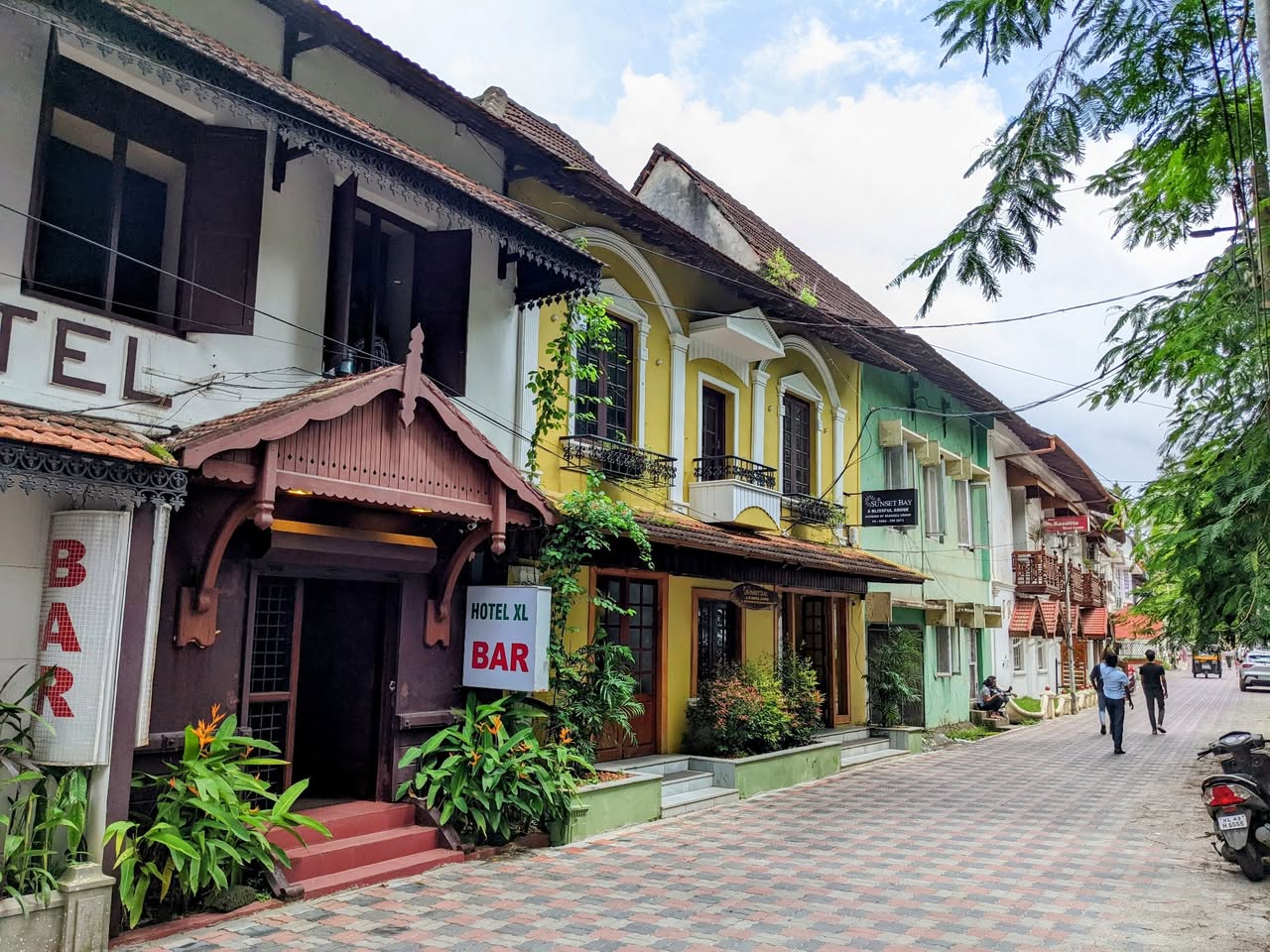
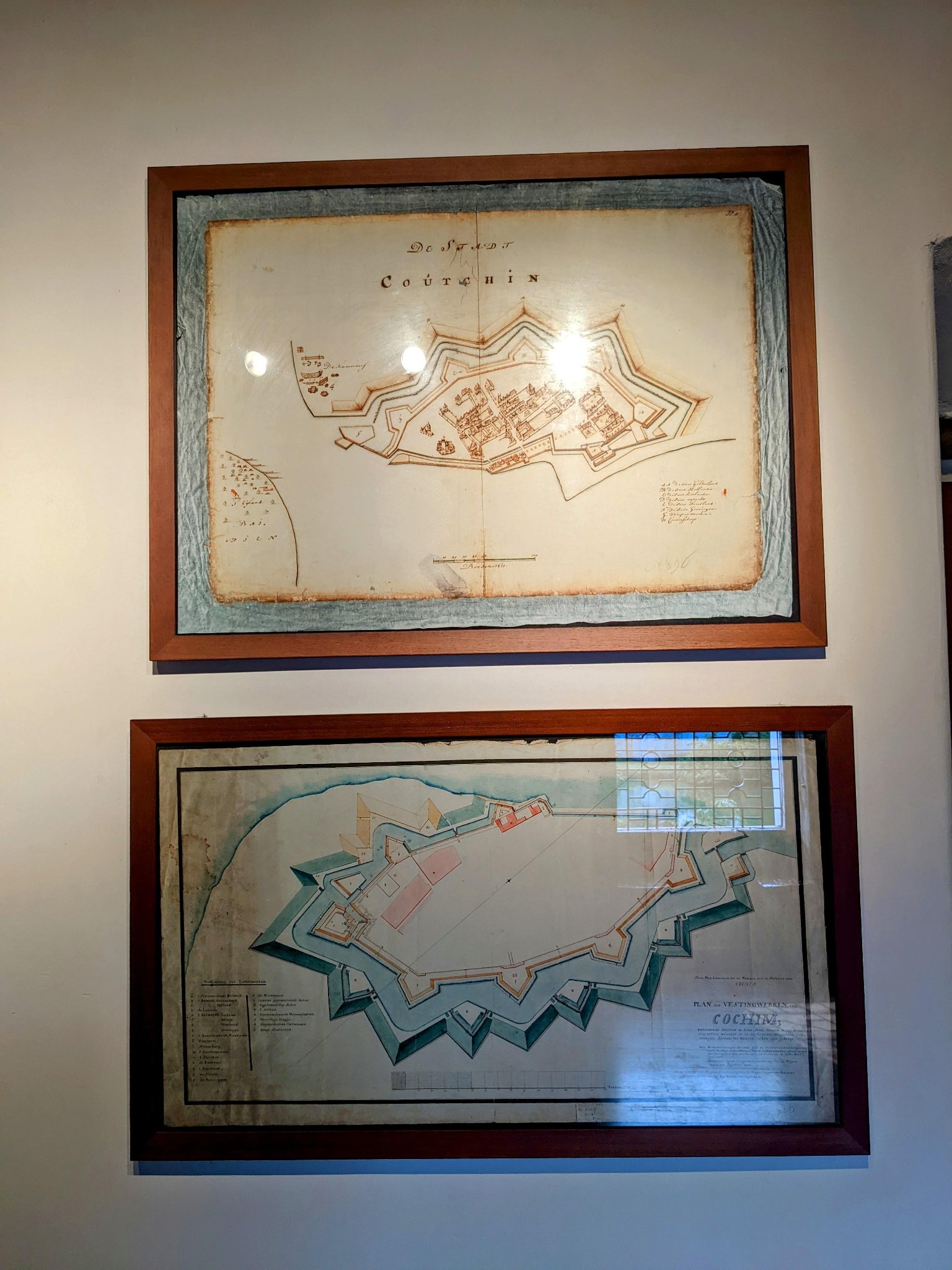
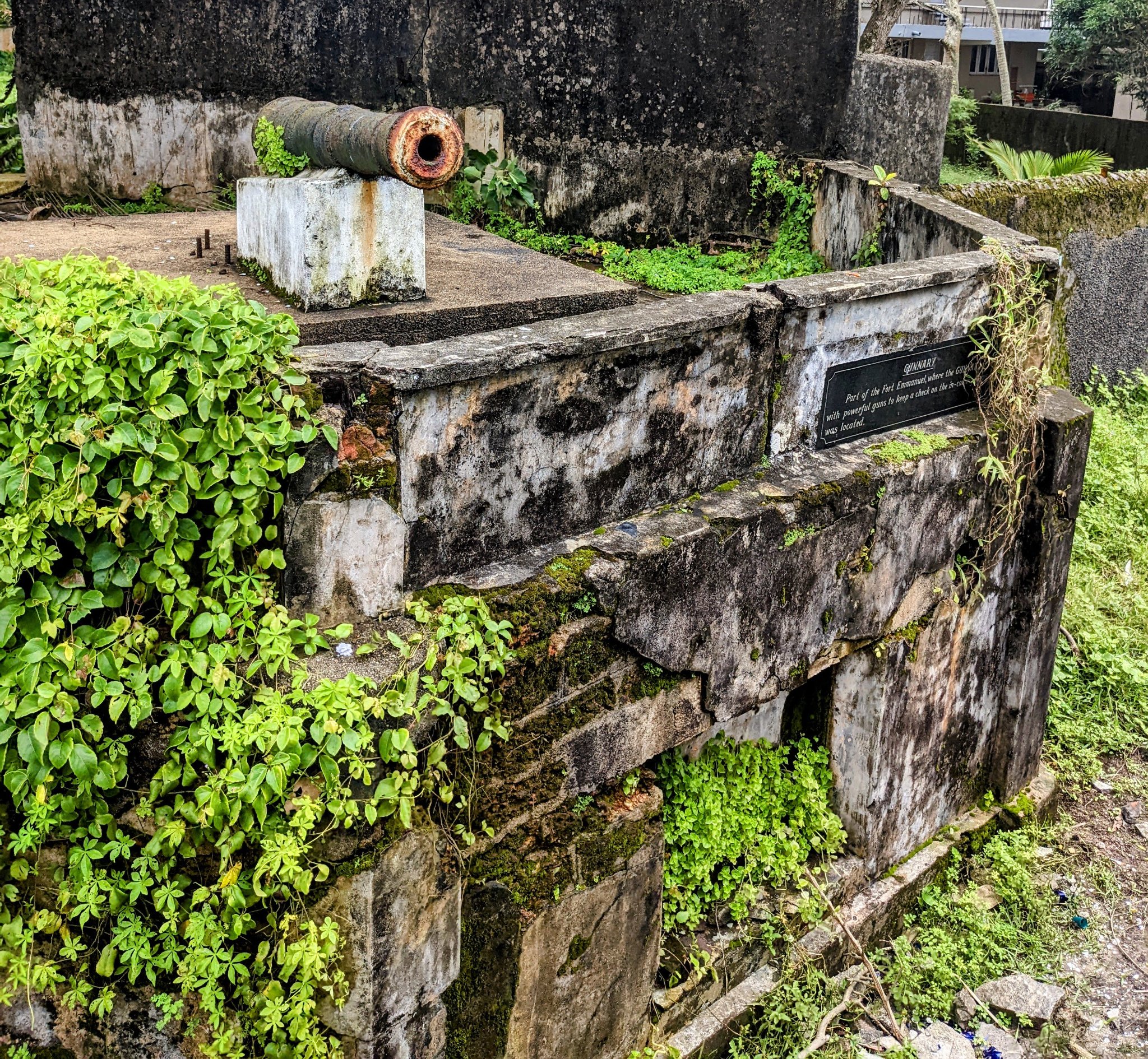
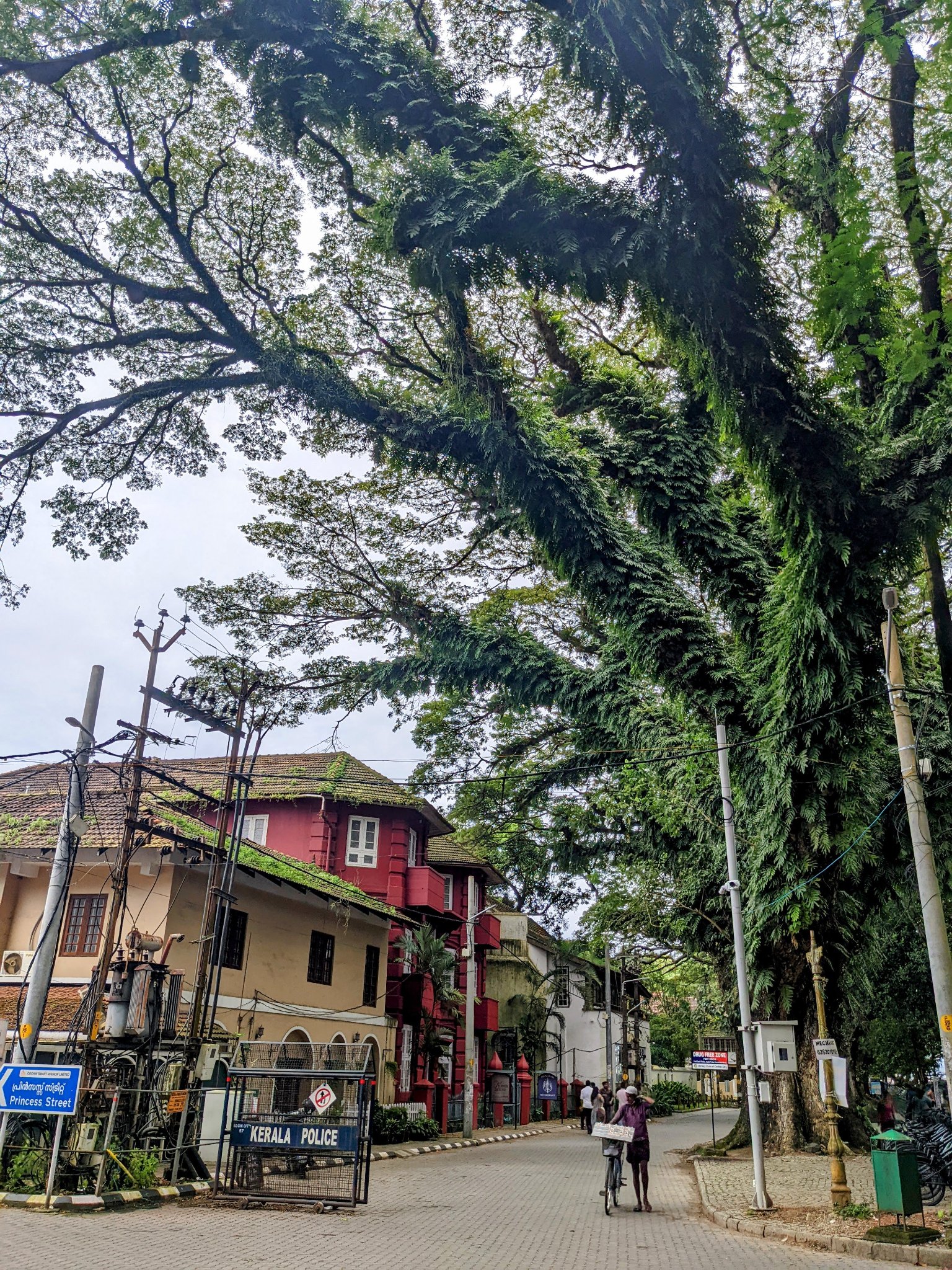
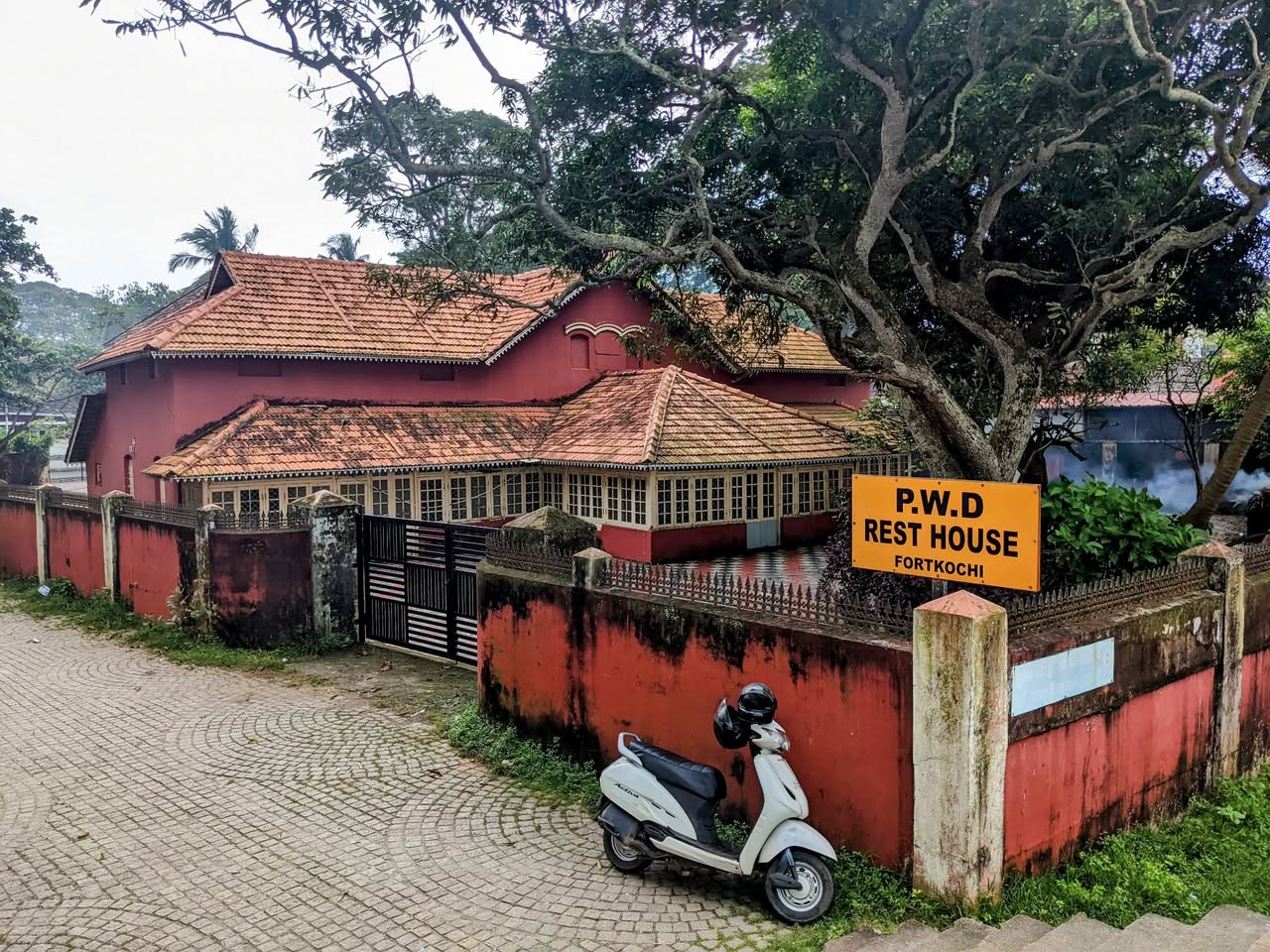
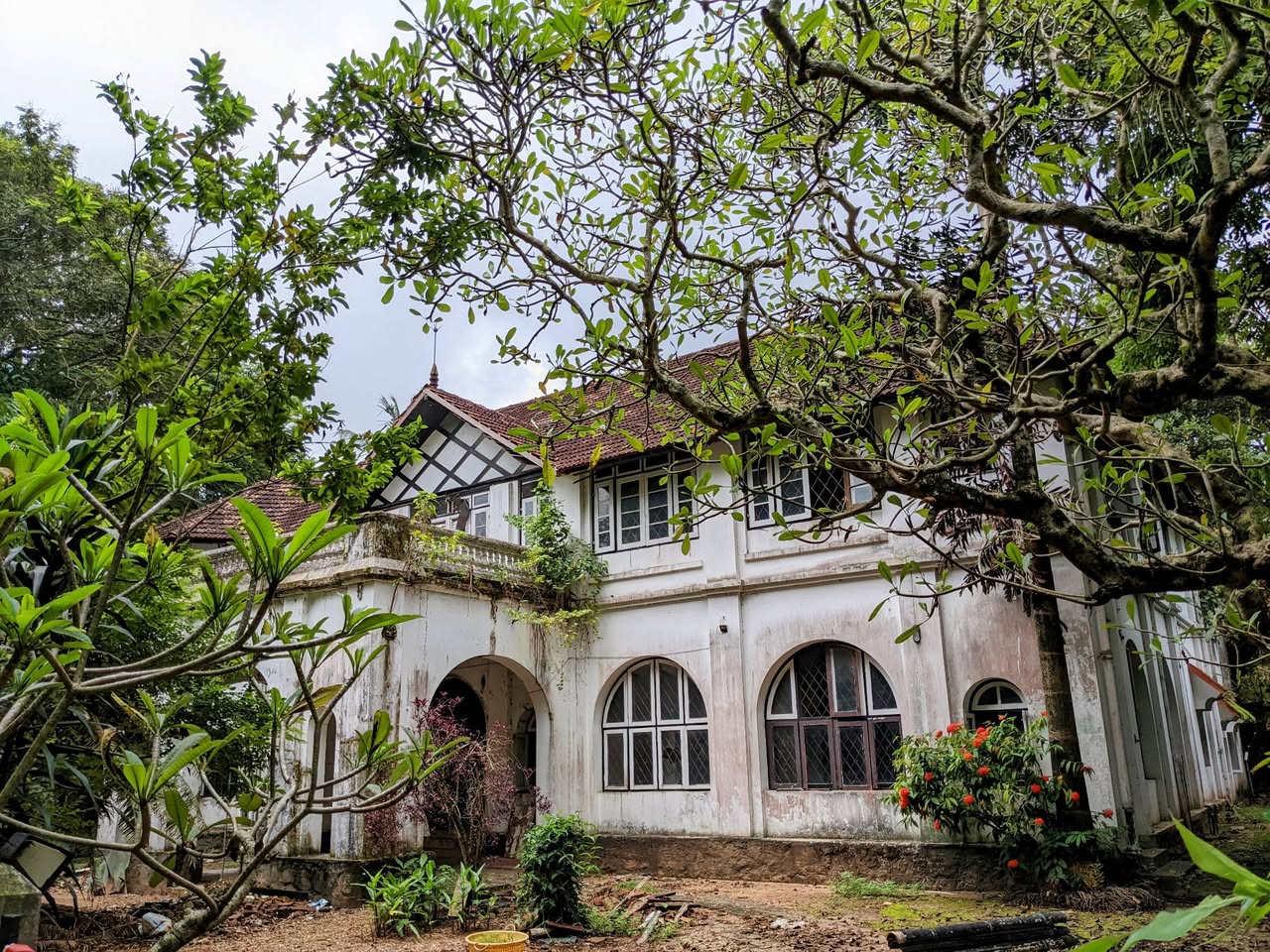
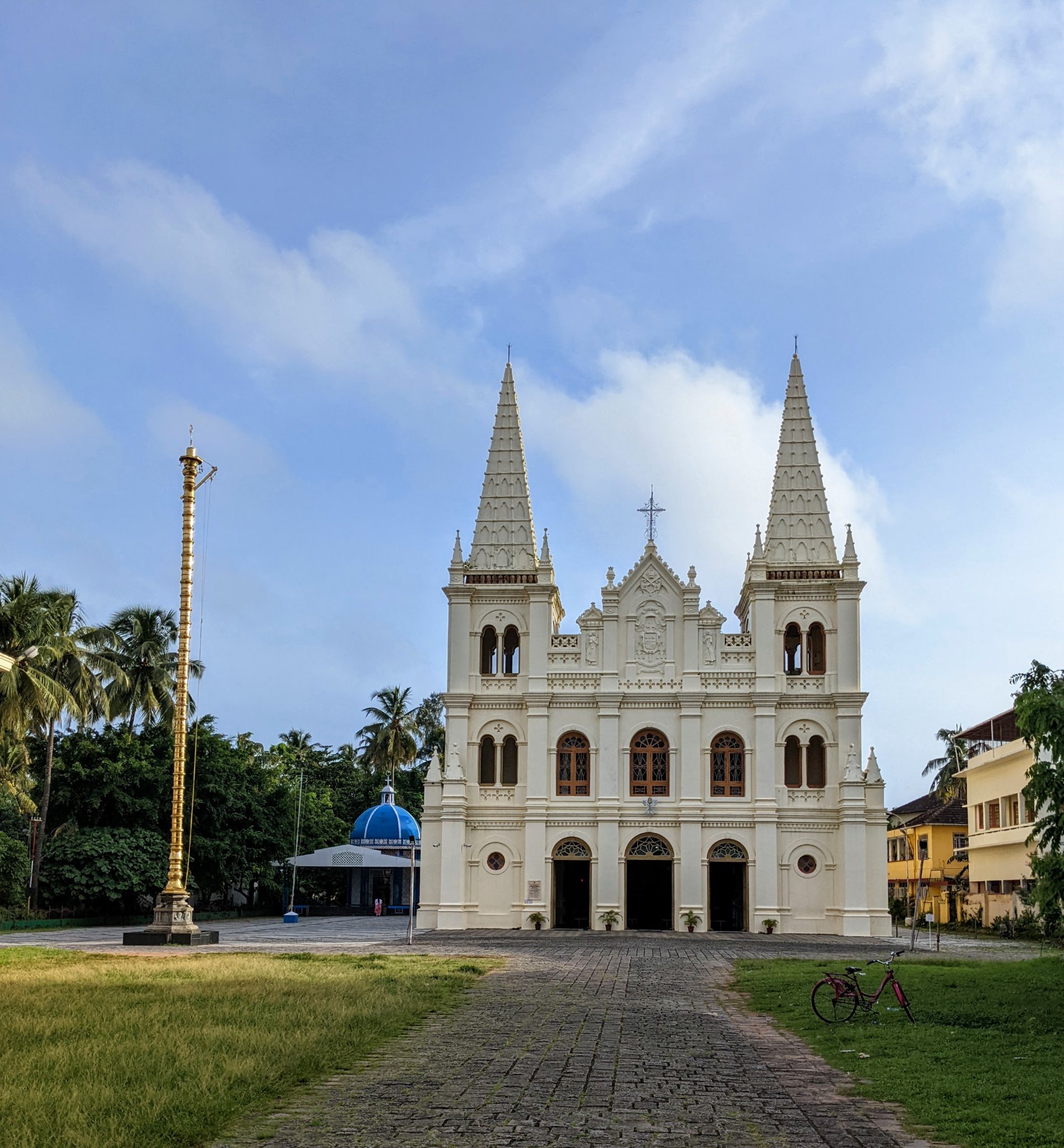
Just like “Colombo Fort”, the name “Fort” has stuck to the area, even centuries after the ramparts have been demolished. I rented a bicycle and rode through the European-named roads, visiting beautiful Portugese-style buildings. The food was amazing: kulukki sarbath, satti soru, pot parotta, and more.
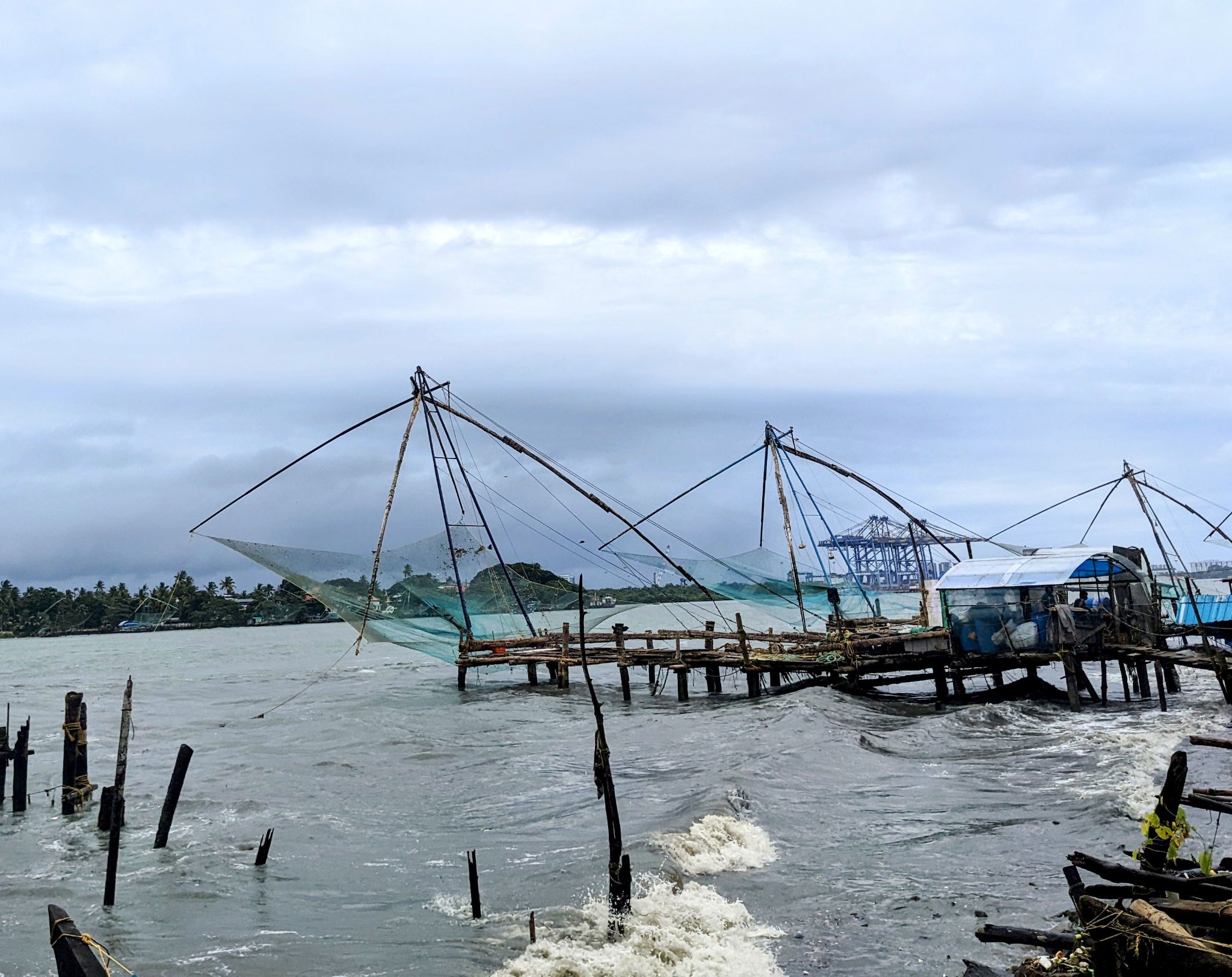
Chinese fishing nets are a popular attraction in Kochi. Large (33 feet tall) fishing nets are carefully balanced by the coast like a see-saw. A fisherman walks on top of them to tilt them into the sea. After a few minutes, he walks back, raising the net out of the water with fish. Tourists can buy and cook those fish then and there. This style of fishing was introduced by the Chinese around the 1400s.
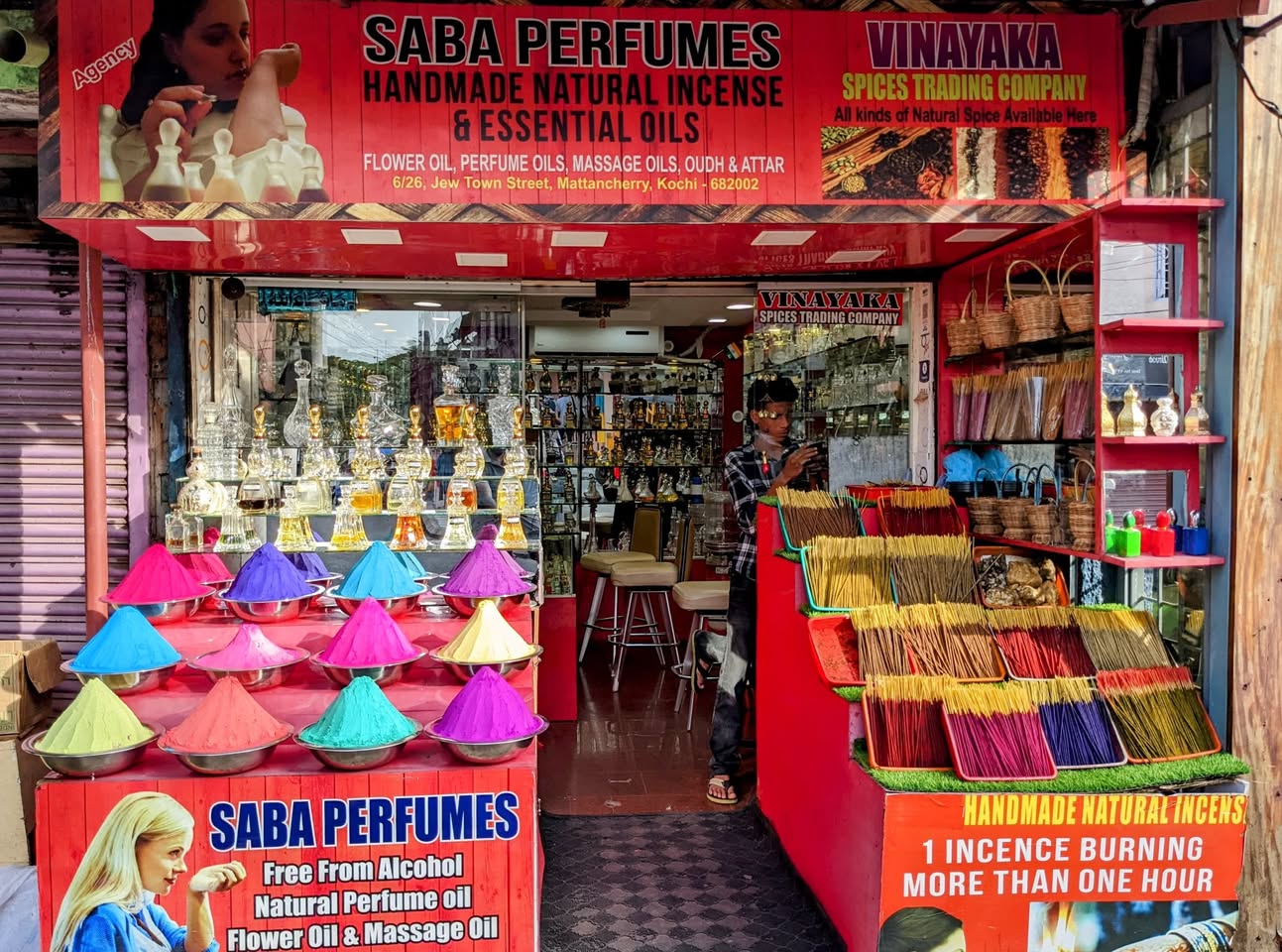
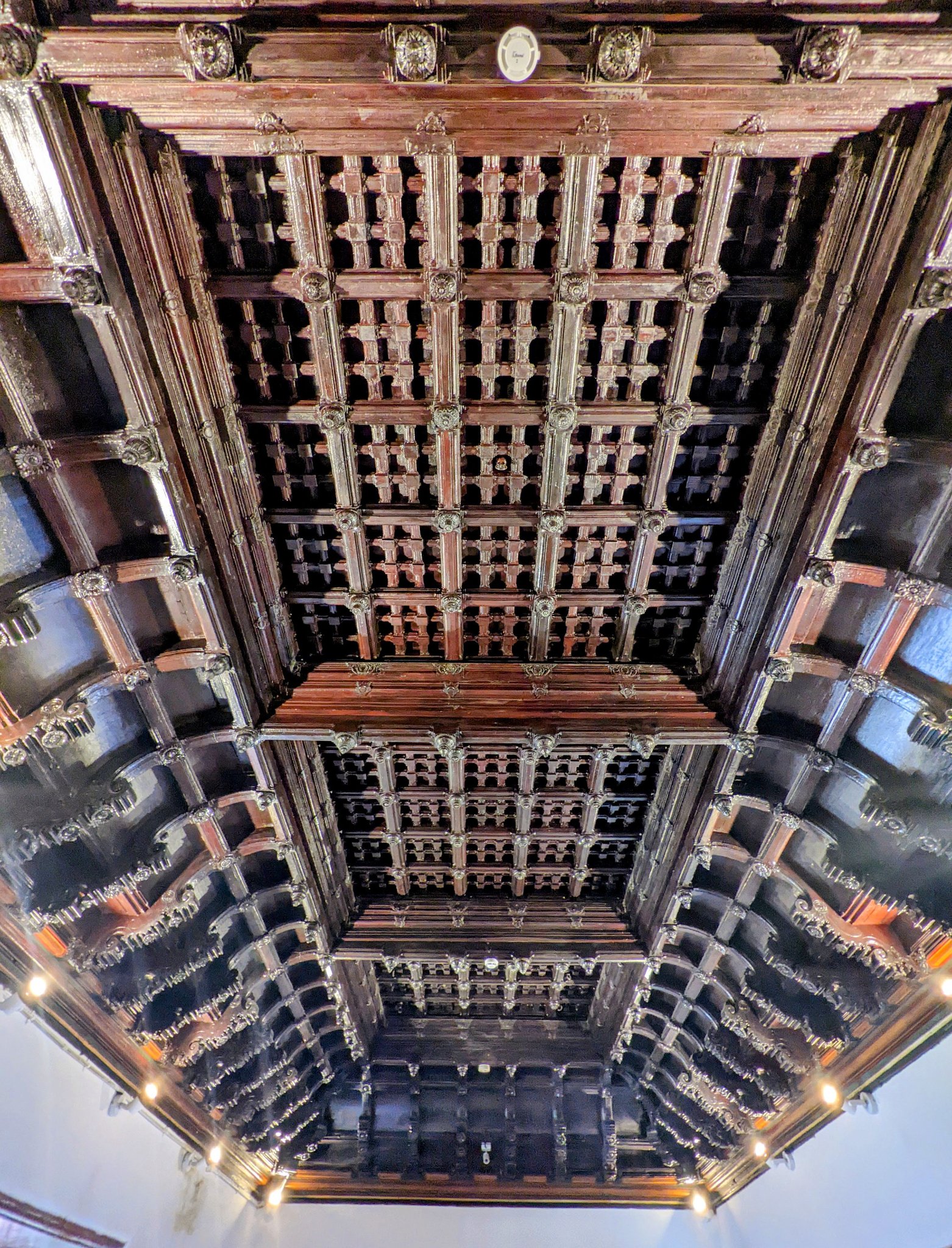
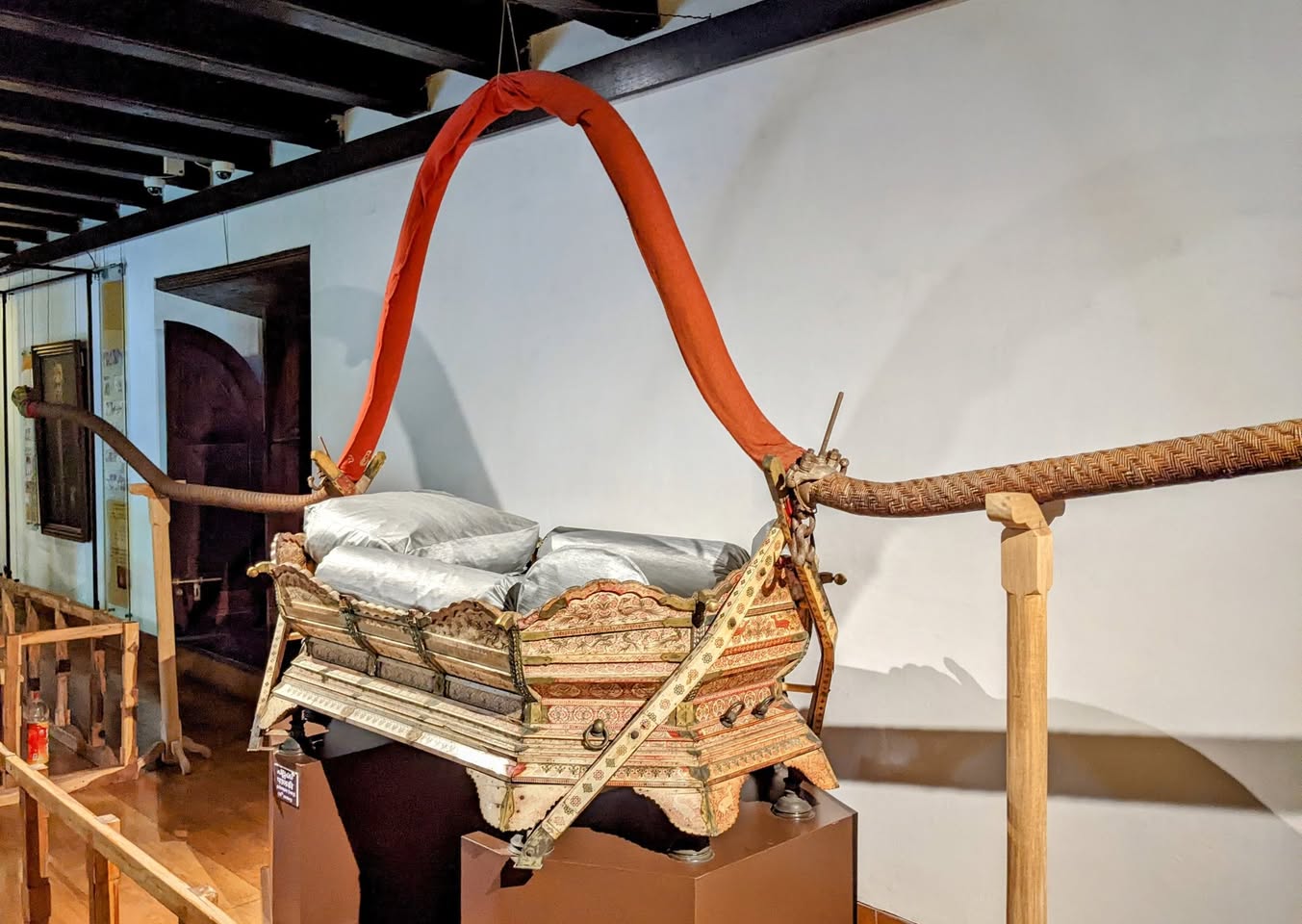
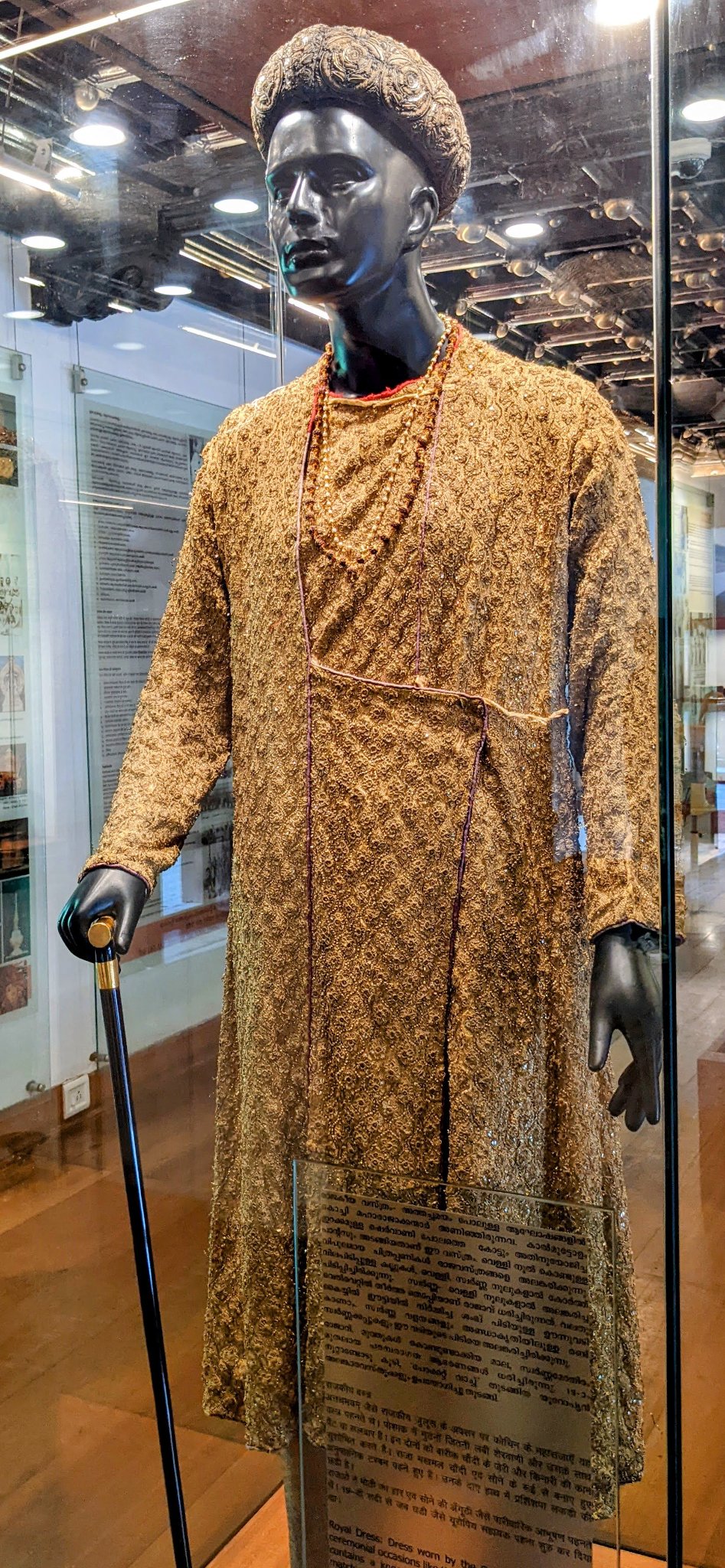
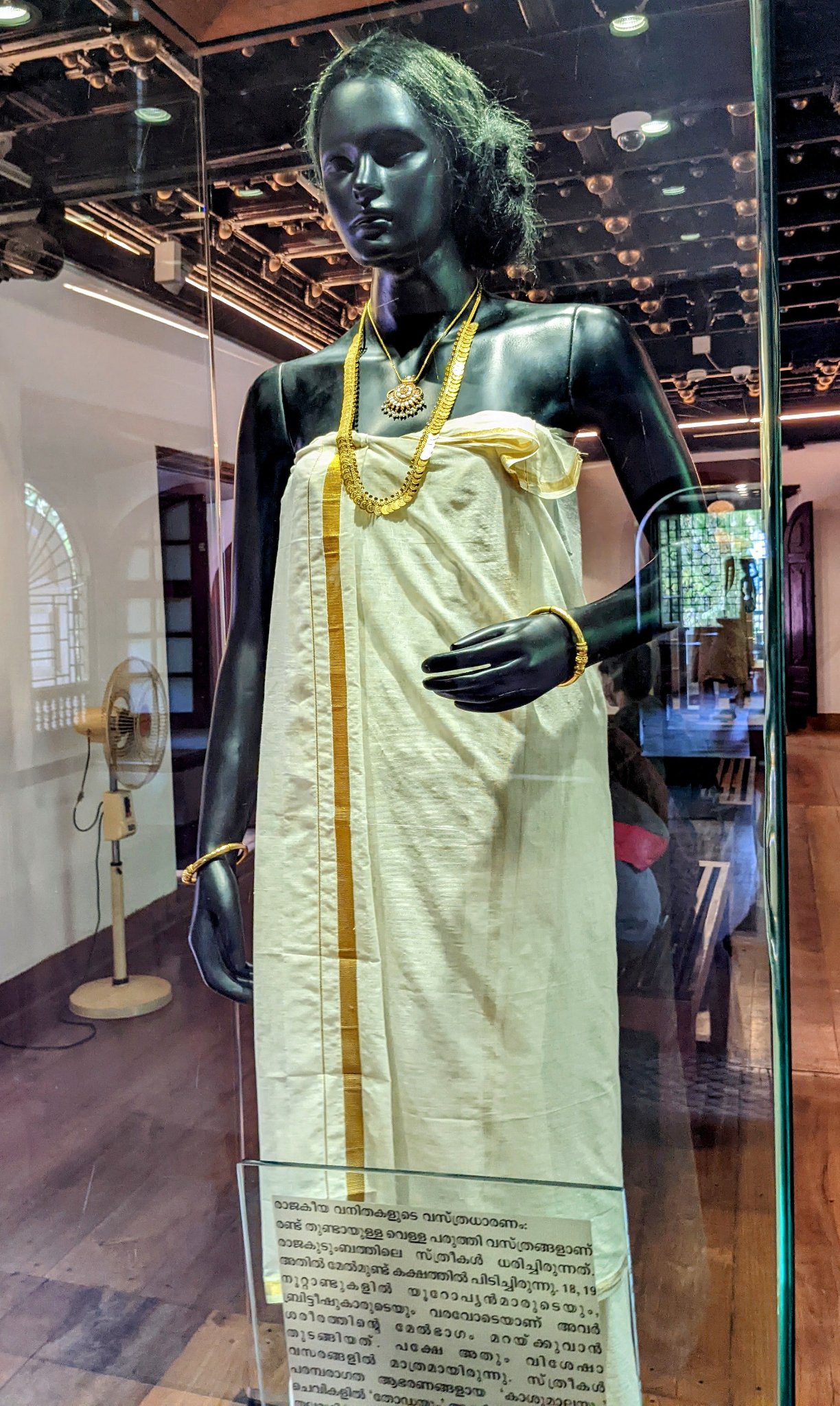
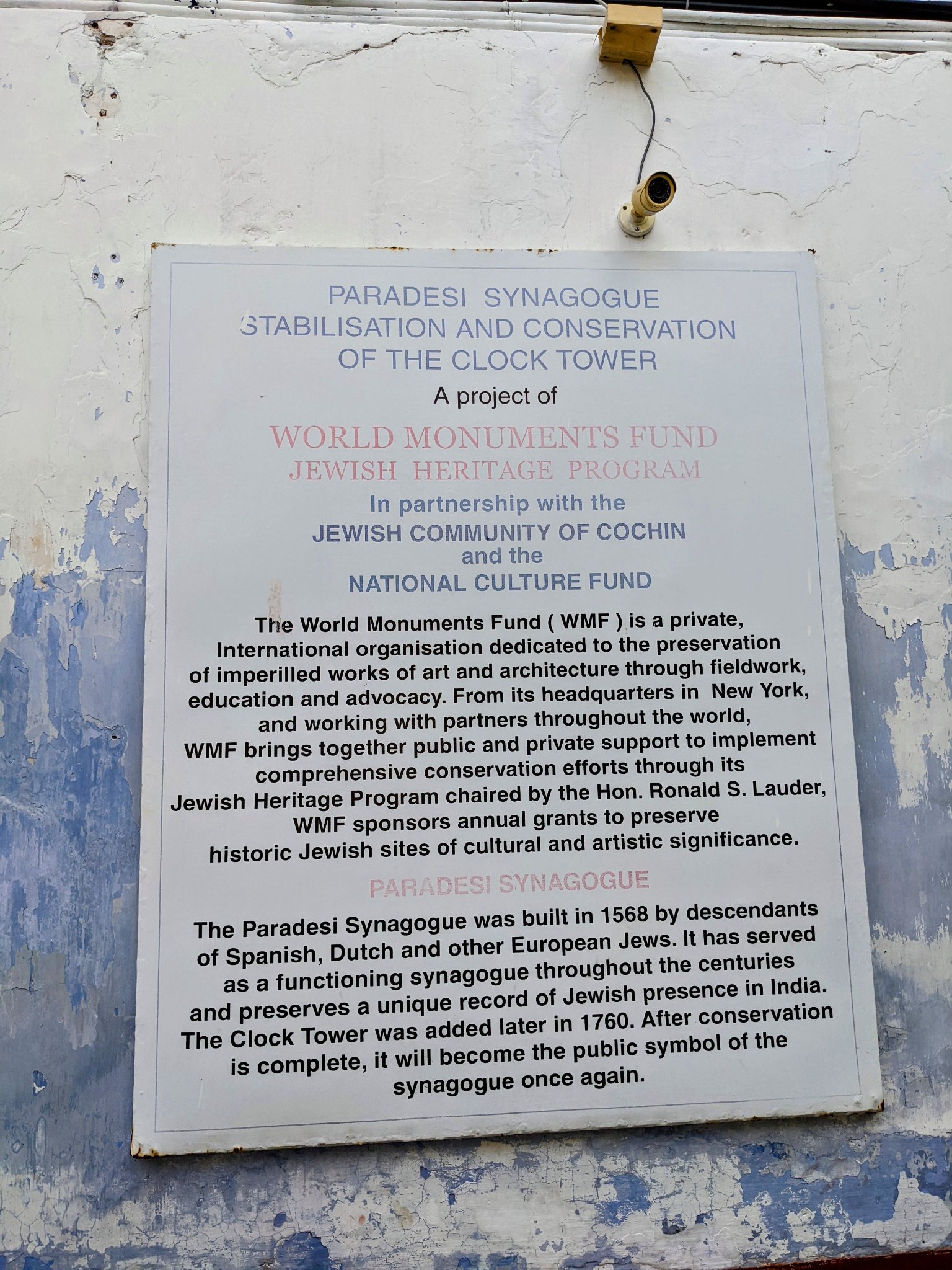
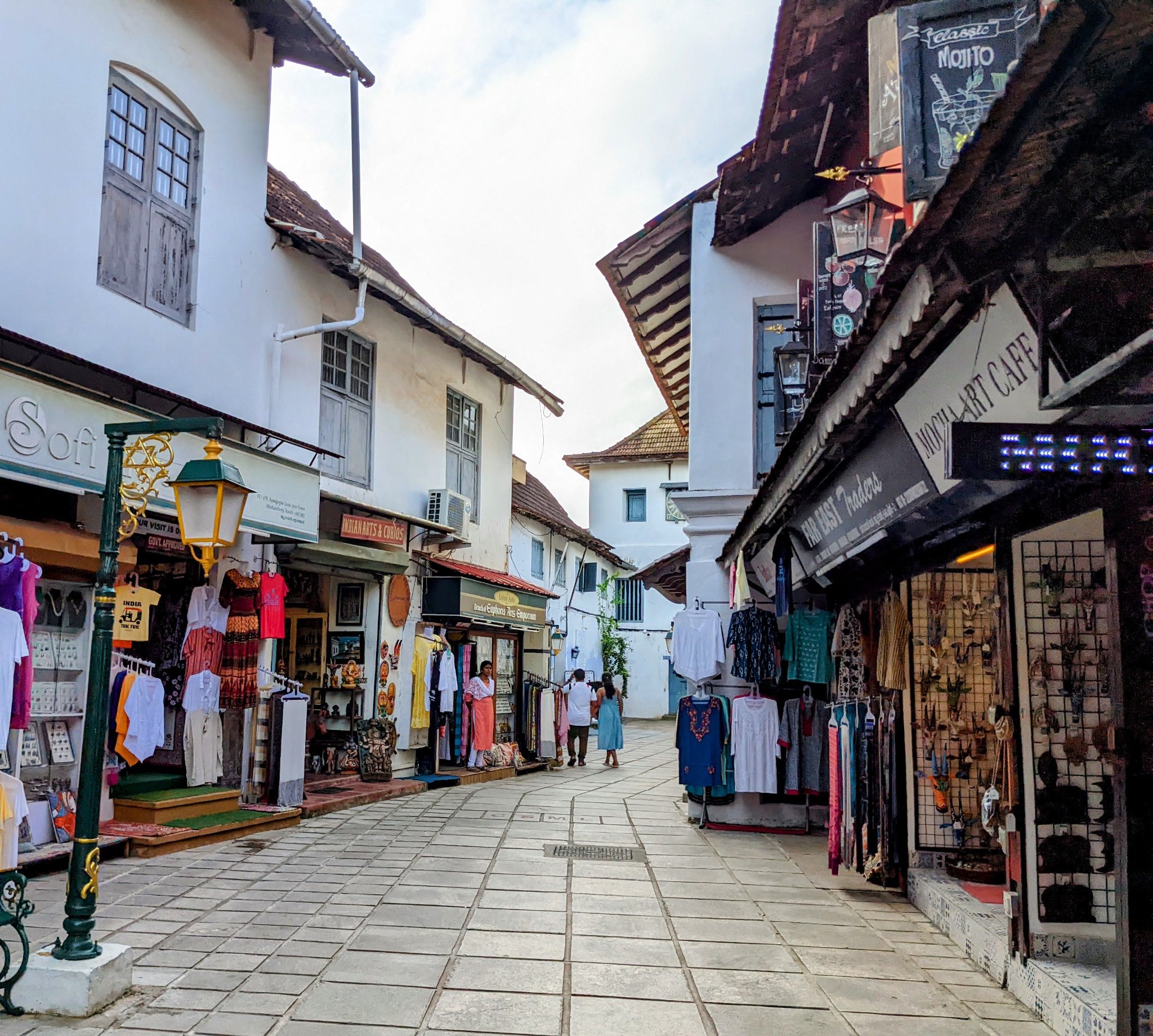
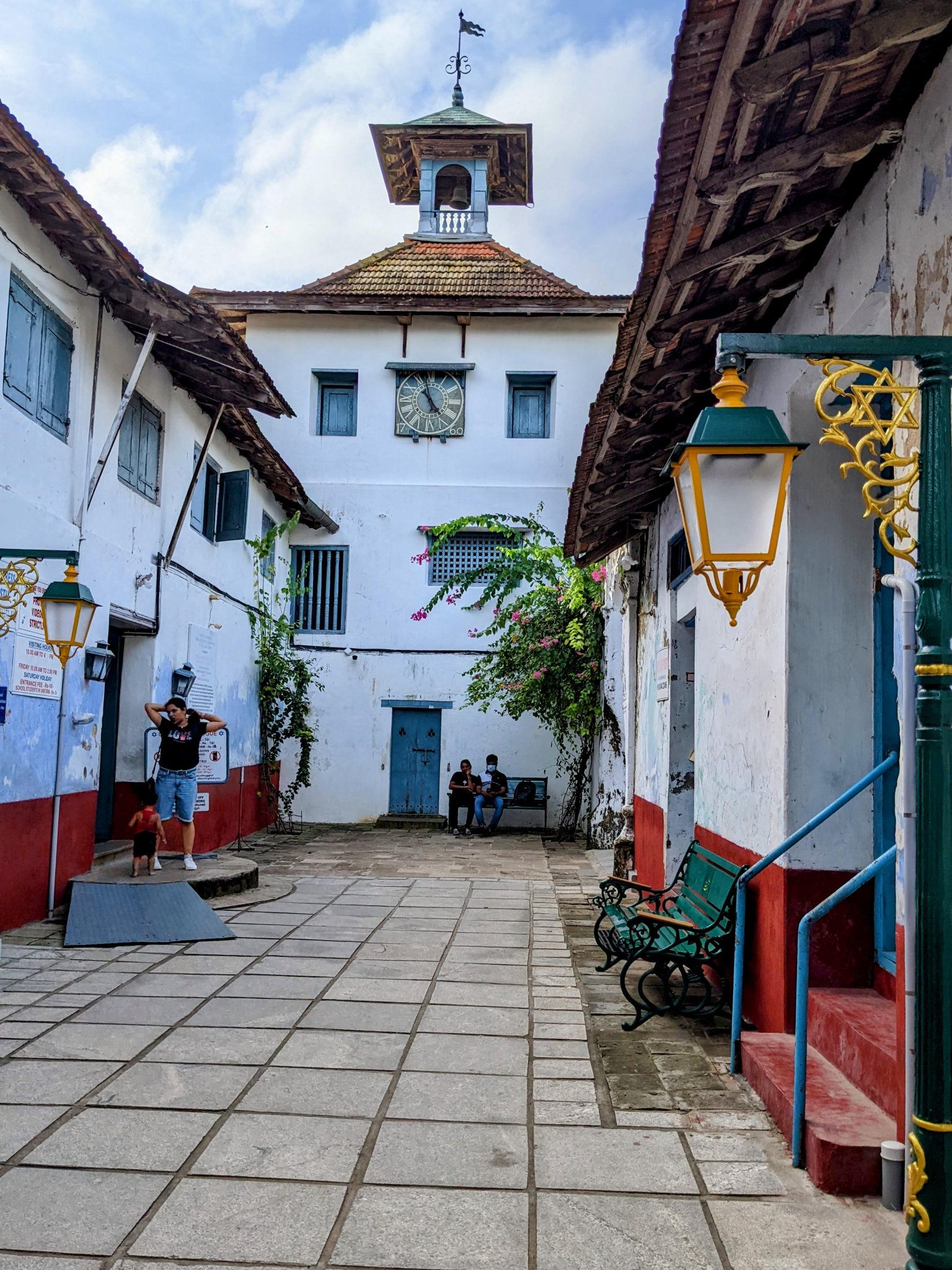
I also visited the palace and the Jewish town in the Mattanchery area. Since the 12th century, Jews have been living in Kochin, which they called “Jerusalem of India”. I visited their temple, named “Paradesi Synagogue”.
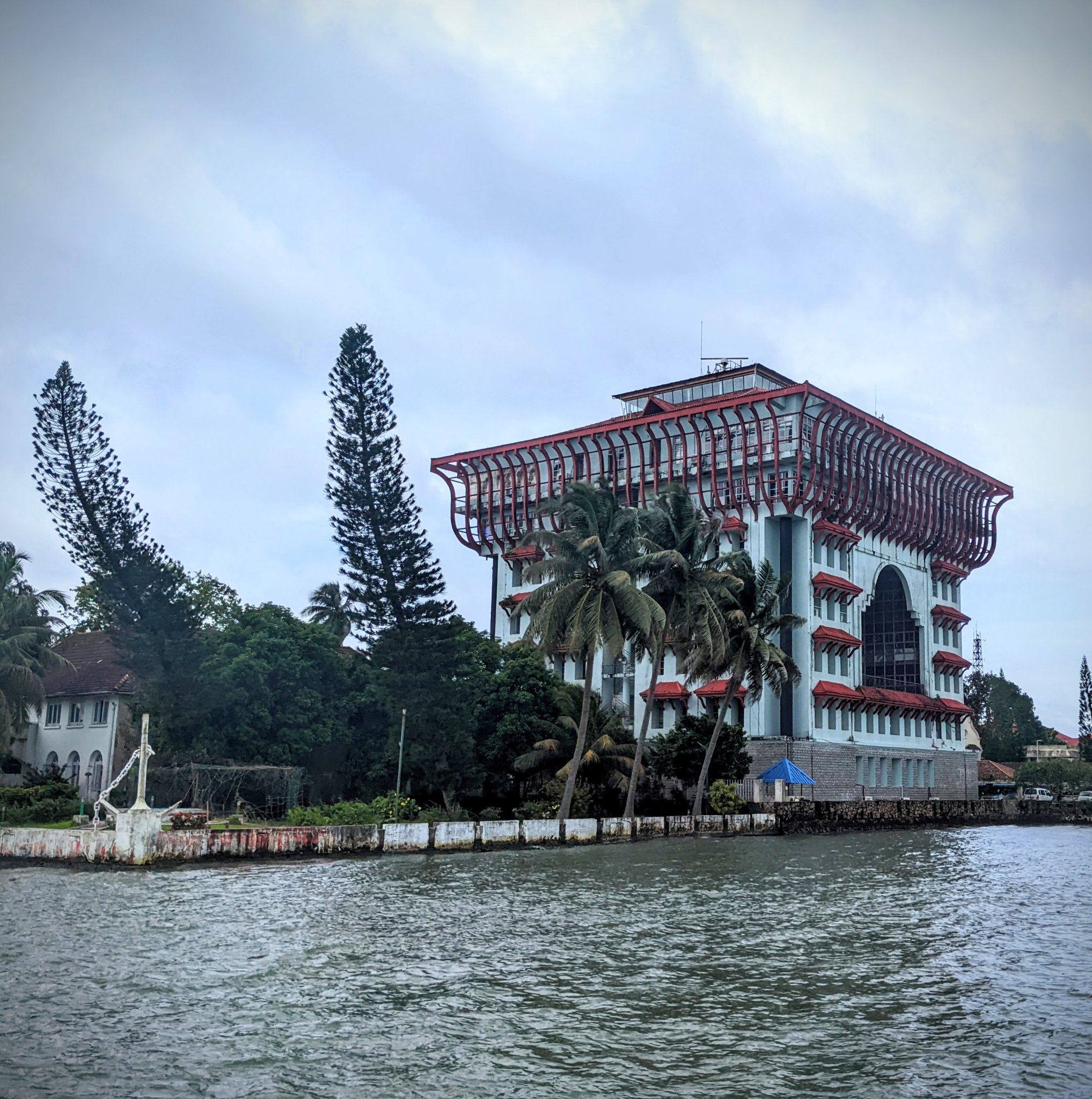
Modern Cochin harbour is situated on Willingdon Island. The lake at its location was filled by the British in 1936 to form the largest manmade island in India. Today you can see large ships and oil barges moving in and out of the port.