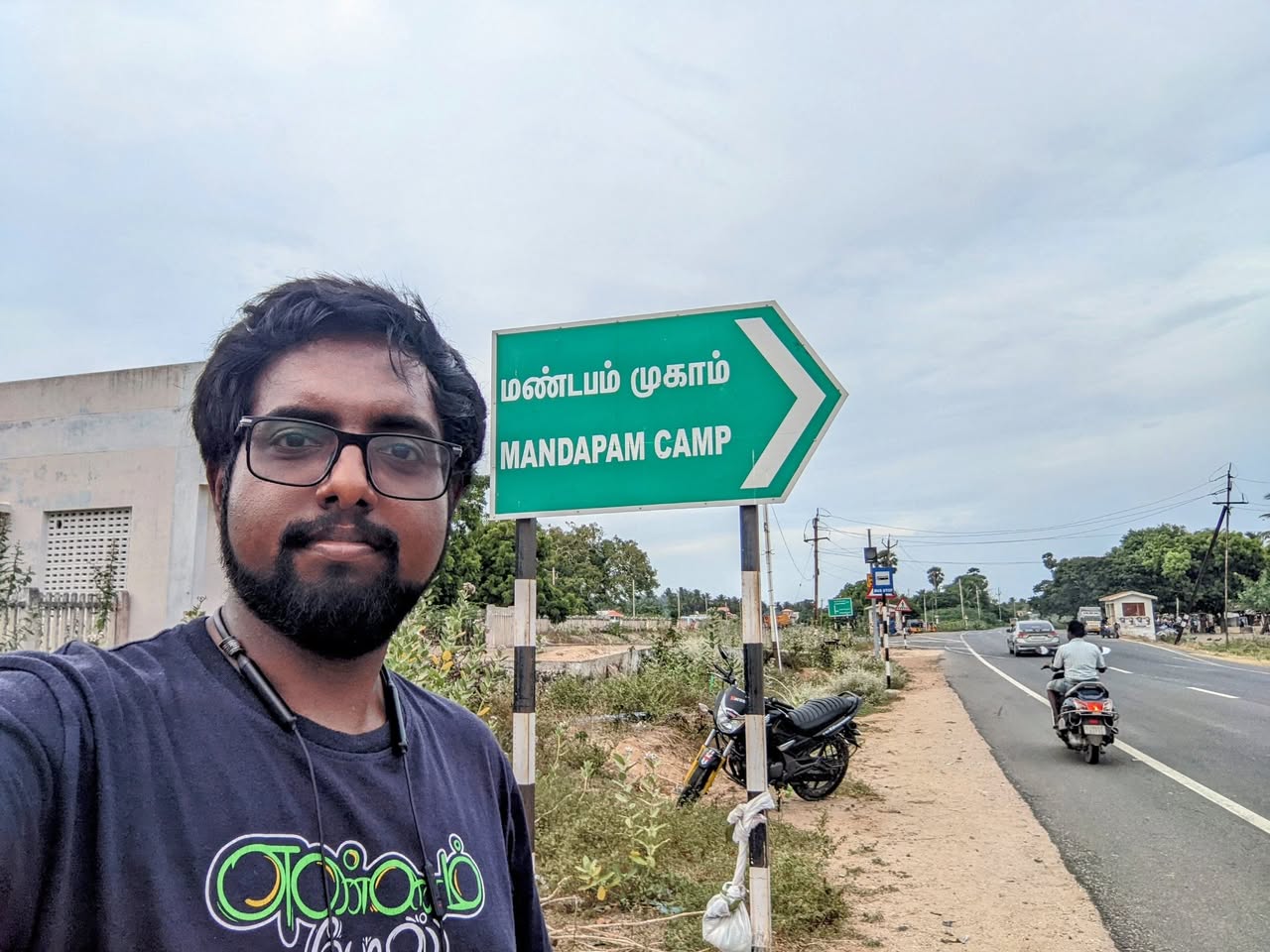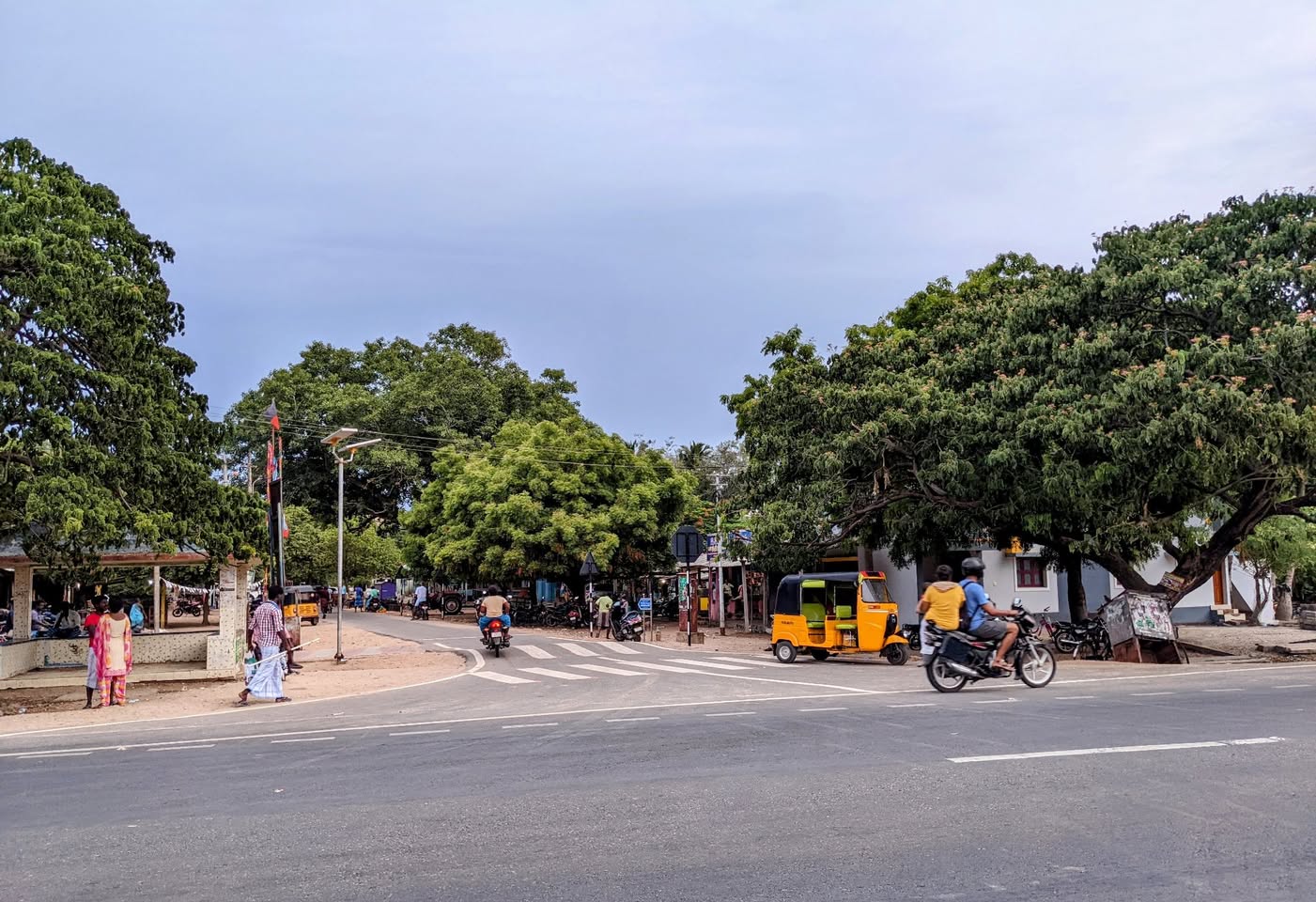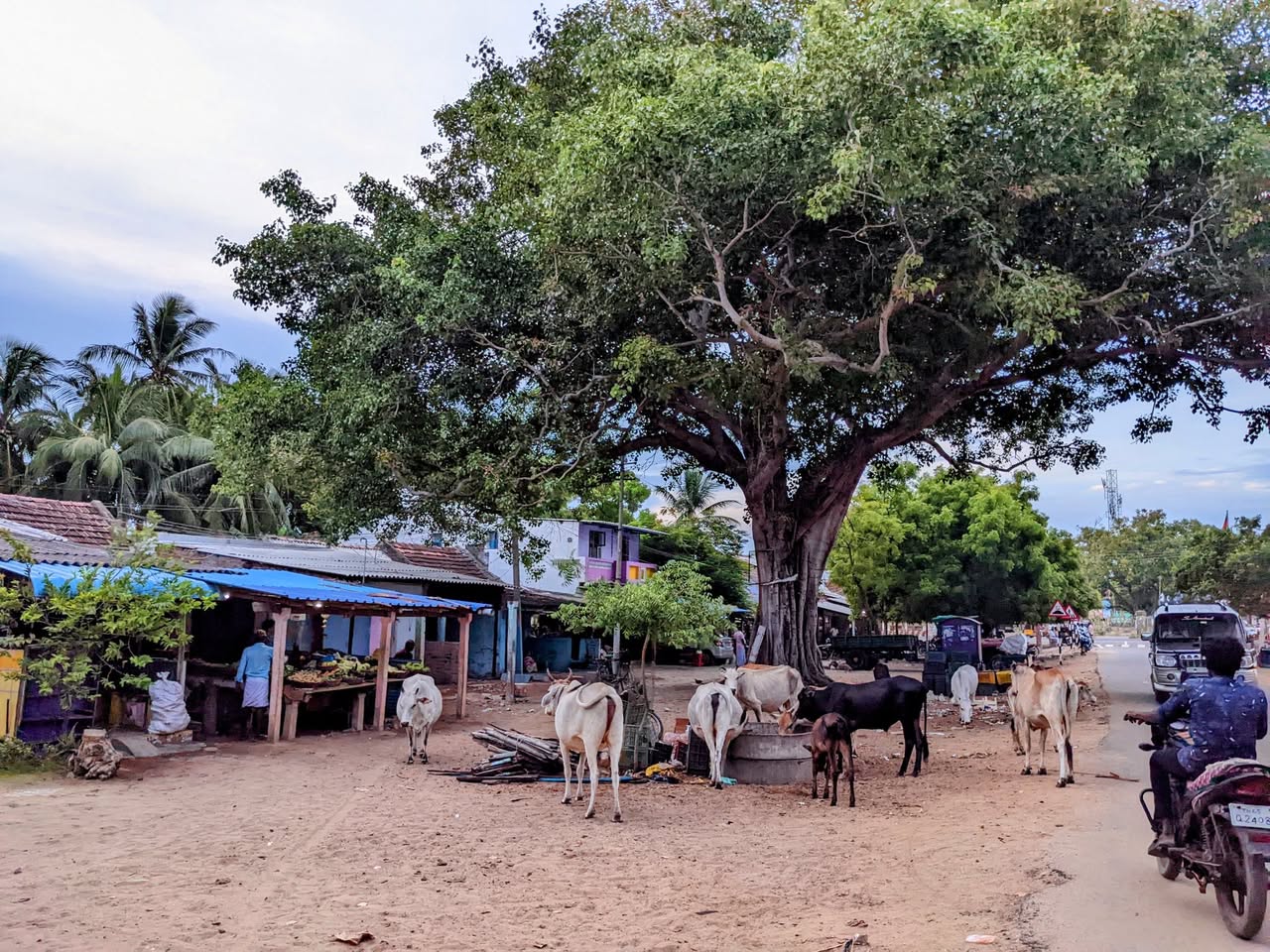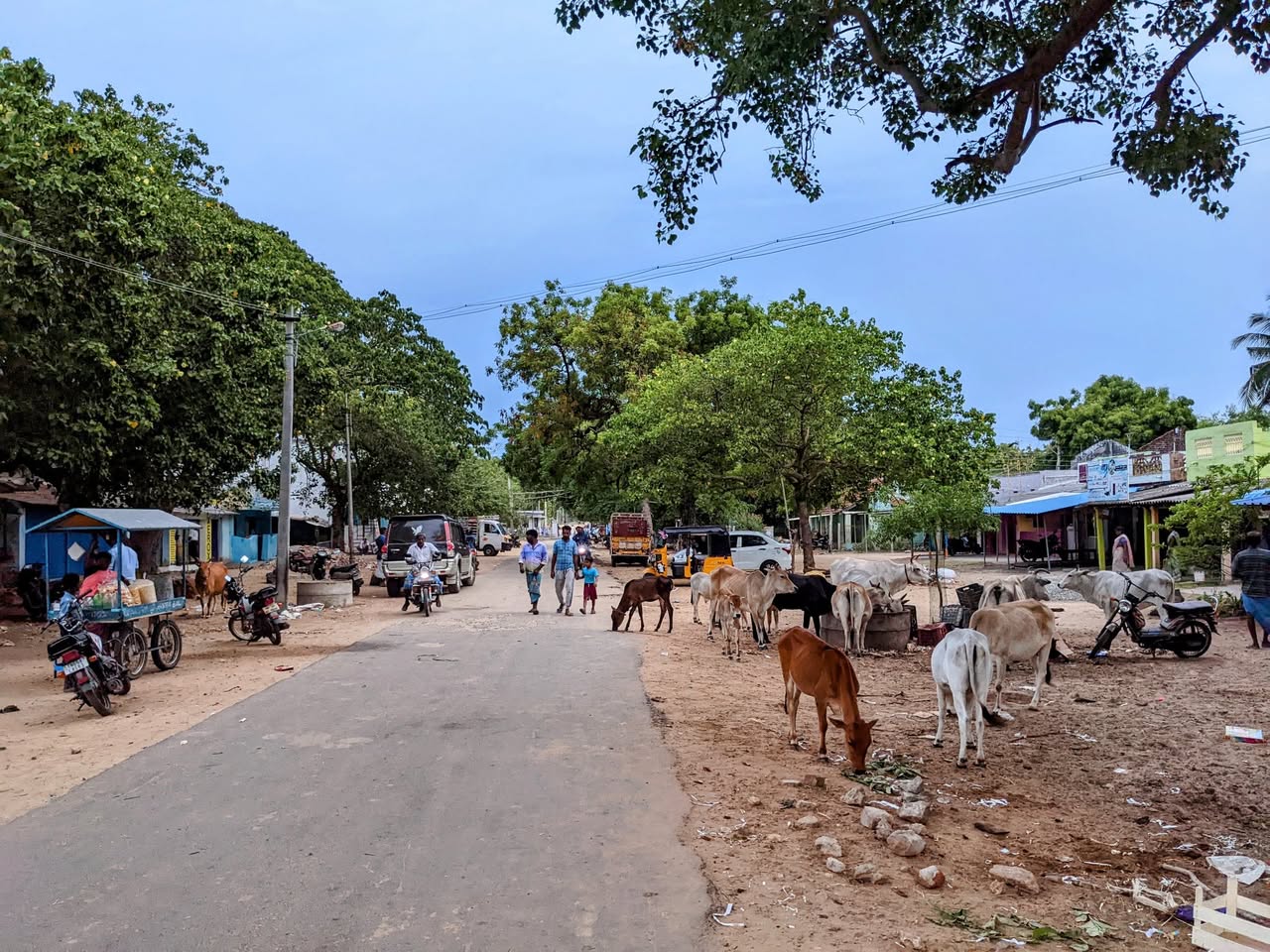
Mandapam Camp: My Grandpa, Refugees & Tea Workers [India 2022]
In 1917, the British set up a quarantine center at the edge of India. Indians, who were being brought to Sri Lanka to work in tea estates, were stopped there for 72 hours to check for symptoms of diseases. After independence, it remained the property of Sri Lanka on mainland Indian soil, until Sirimavo sold it back to India in 1965 for 1.9 million INR. It was then used to quarantine the tea workers who were being sent back by the Sirimavo regime. Today, it spans 95 acres and is being used by the Indian government to house Sri Lankan refugees.
My grandpa worked as a clerk in the Sri Lankan Ministry of Health. In 1959, he was transferred to Mandapam camp for six months. This is the main reason I wanted to visit Mandapam. He went there, and couldn’t live on his own cooking. So, he wrote to his mom “Find me a bride asap. Any girl who can cook. I don’t care about anything else”. So they arranged my grandma, a then-posh girl who couldn’t cook at all. He took her to Mandapam, and they stayed in the quarters for a few months. She wanted to see Madras. He took her to nearby Madurai and told her, “This is Madras,” which she believed for years even after returning.
Since the 1960s, the Indian government has been using the Mandapam camp to keep the refugees fleeing the Sri Lankan civil war. Many such refugees had their index fingers cut in Sri Lanka (on suspicion, so they cannot shoot), to prevent them from joining any terrorist groups. Fishermen drop the refugees in neck-deep waters next to Dhanushkodi. Indian fishermen report them to the police, who pick them up and house them in the camp. I was not allowed inside the camp premises, but I met a Jaffna guy running a shop just outside the camp, who had arrived with his family in 2006. After investigation, his family was given a small house with a kitchen. Family men are allowed to leave the camp in the daytime and find odd jobs. He said, after the war, many single youths arrive there, and try to leave for other countries from India.
Around that area, I had to introduce myself as “Yes, I’m Sri Lankan. No, I’m going back.”