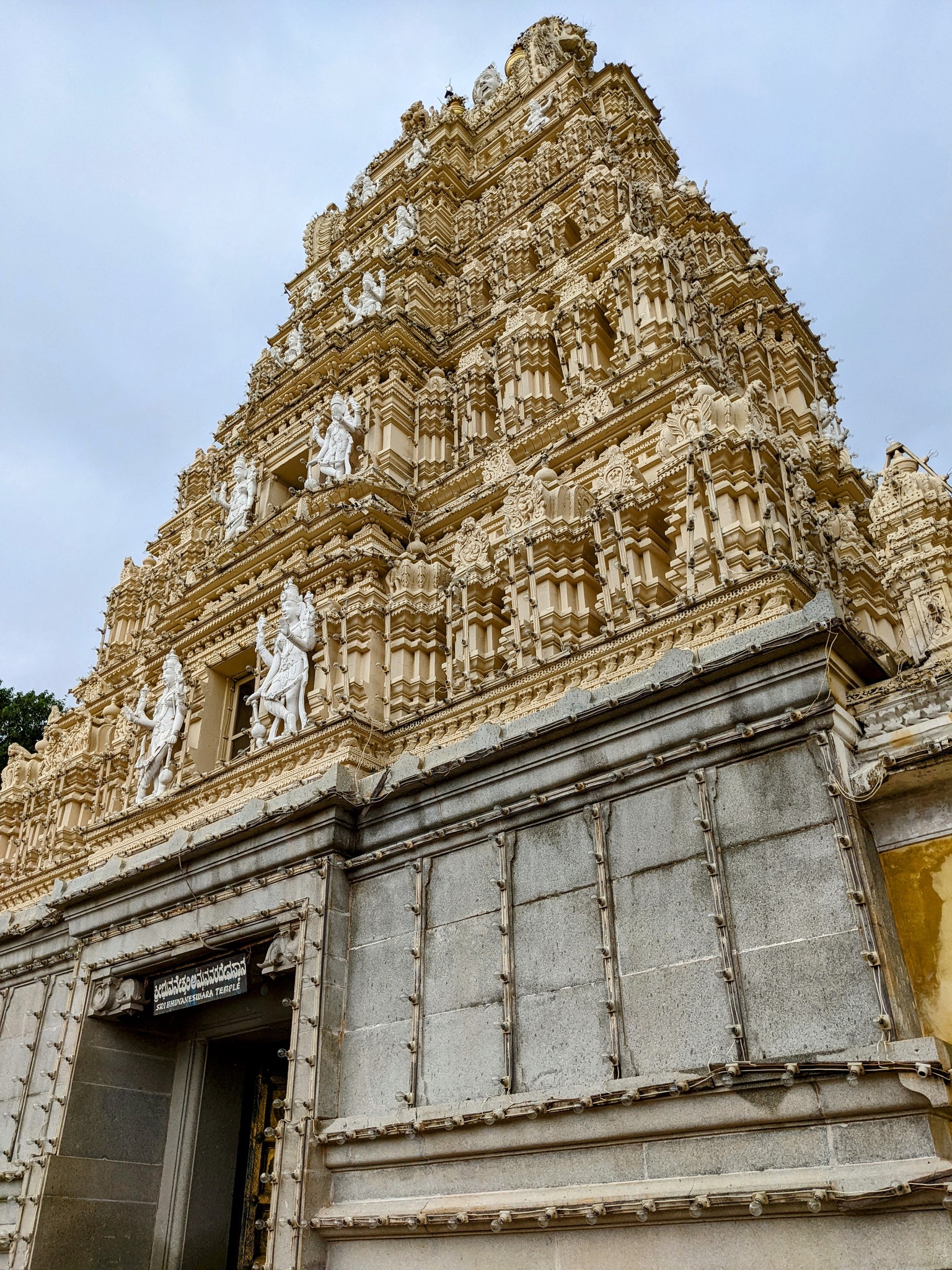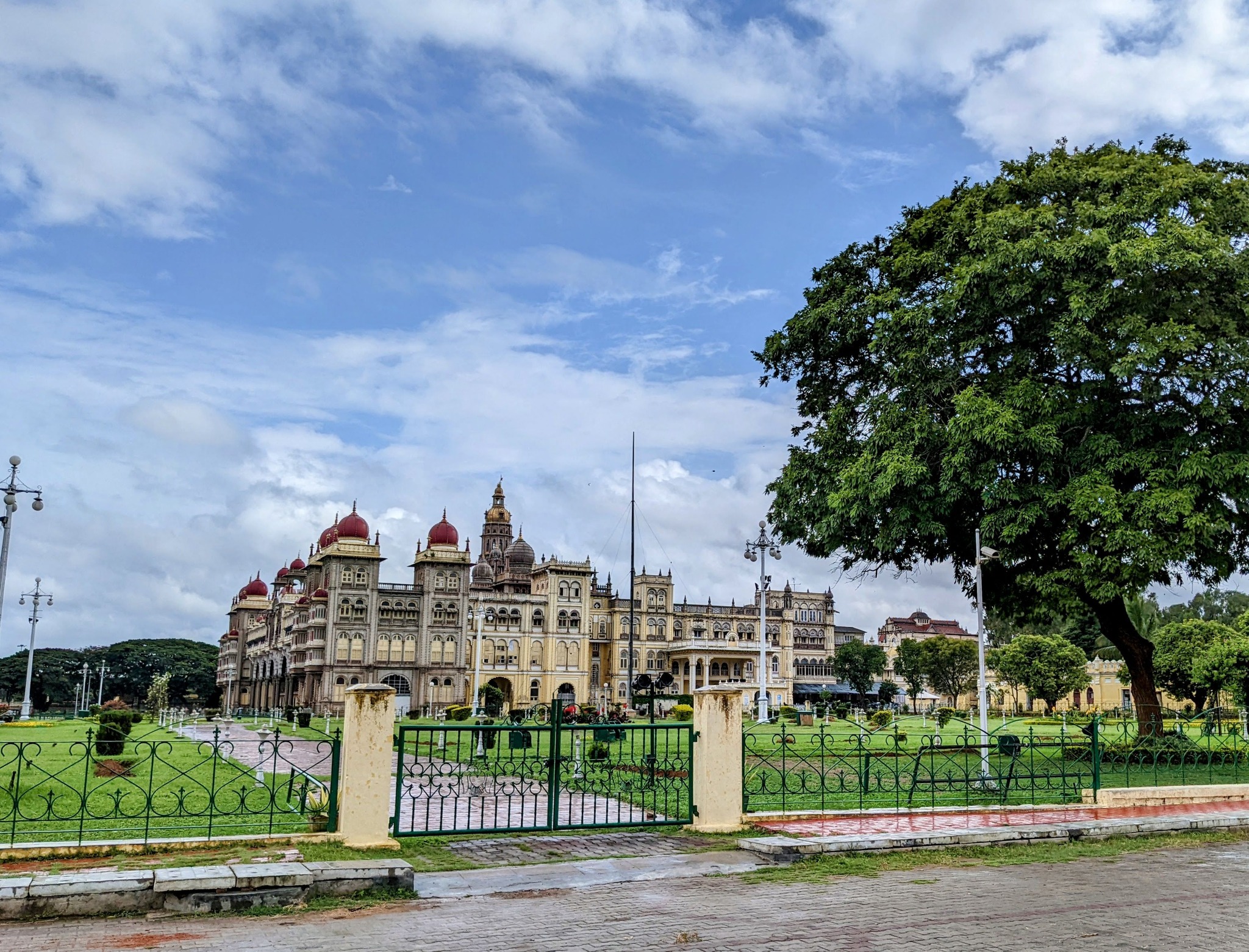
Mysore Palace: Wealth beyond your wildest dreams [India 2022]
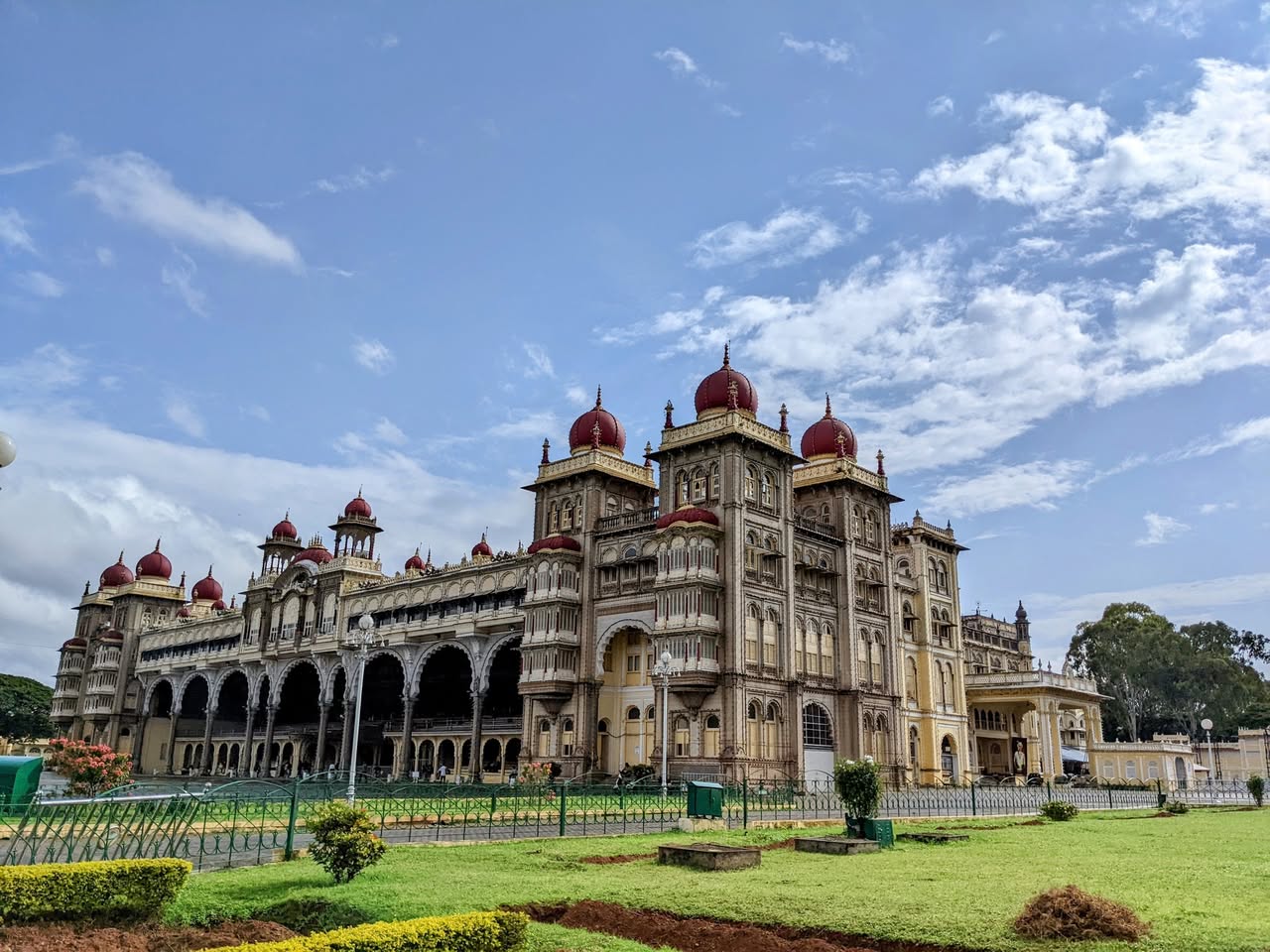
The second most visited spot in India is home to the Wadiyar dynasty, who have been ruling the Kingdom of Mysore for 551 years, through 27 kings. “Heaven in the world” is how spectators describe the sight when the 97,000 bulbs lined along the palace come alive for 45 minutes on Sundays.
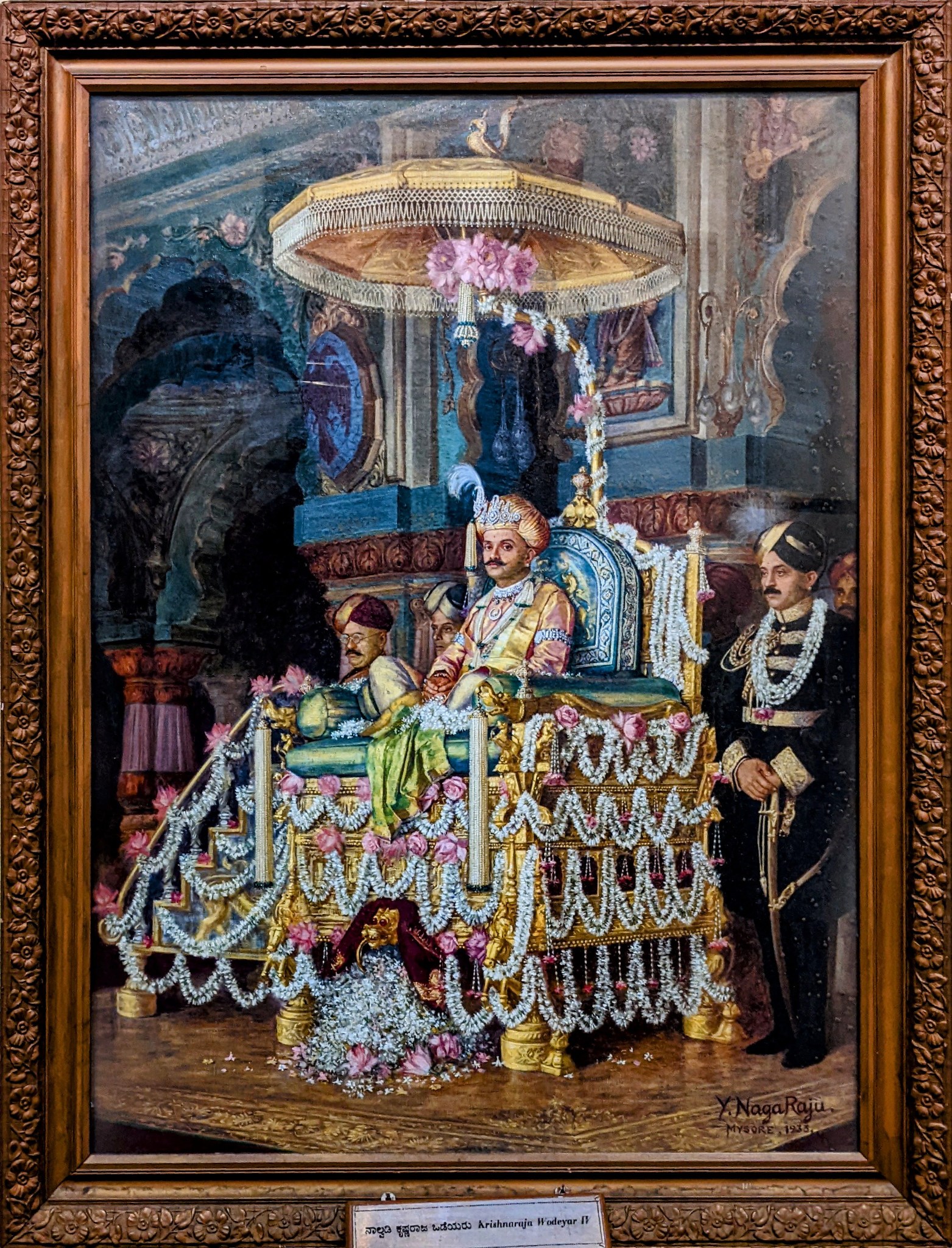
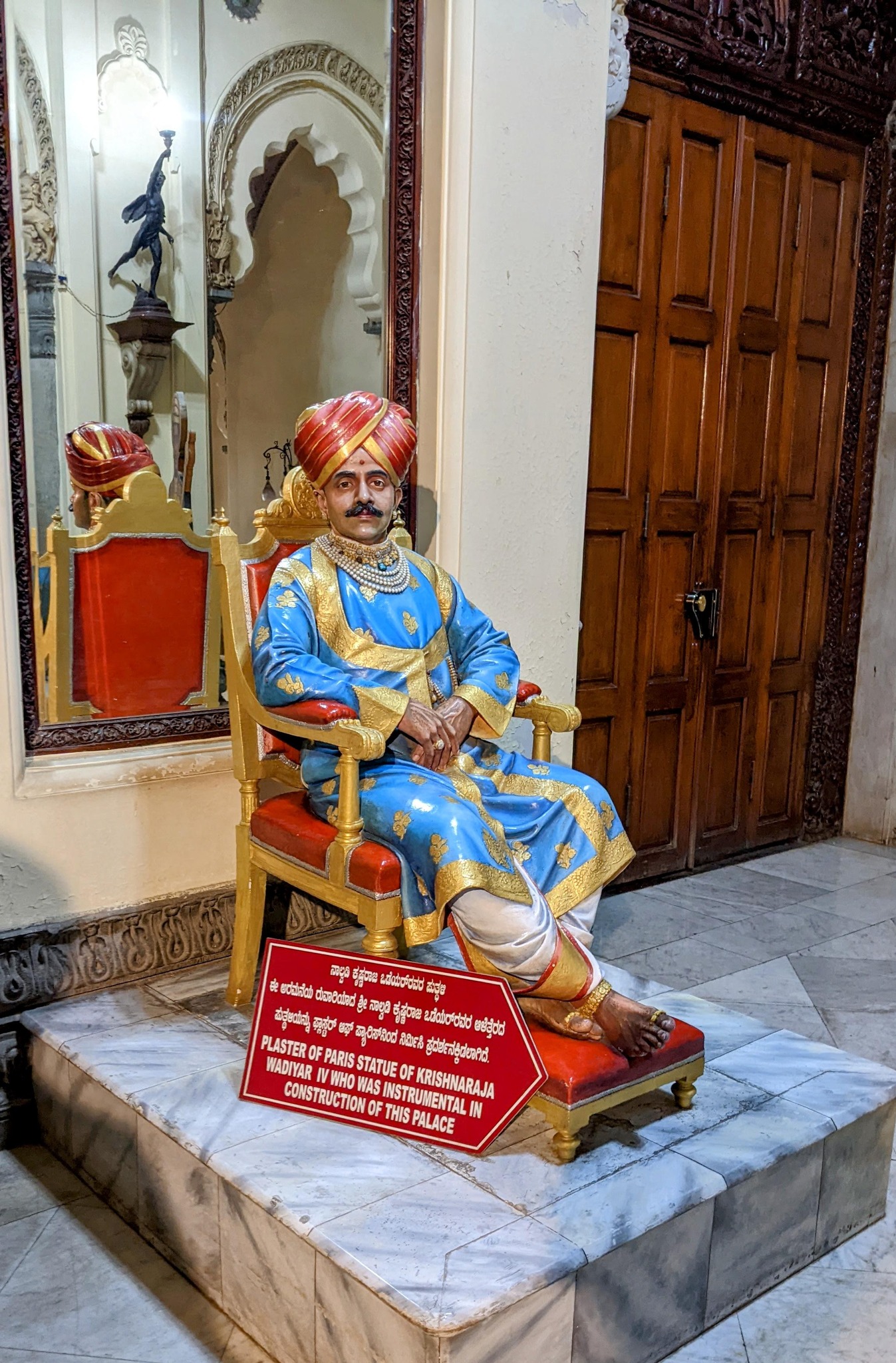
Wadiyars trace their ancestry to Lord Krishna at Dwarka (Gujarat) according to their family legends. Historically, after the fall of Vijayanagar empire, Wadiyars started ruling an area of 33 villages in 1399. By the 19th century, their Mysore Kingdom spanned 75% of South India. Unimaginably wealthy through their gold mines and trade of sandalwood and tea, it is said that even the British considered them nearly equal to their queen. Hence they receive a 21-gun royal salute, which is given instead to the deity Chamundiswari today. They exchanged exquisite gifts with the royal families of Europe, which are on display in the palace.
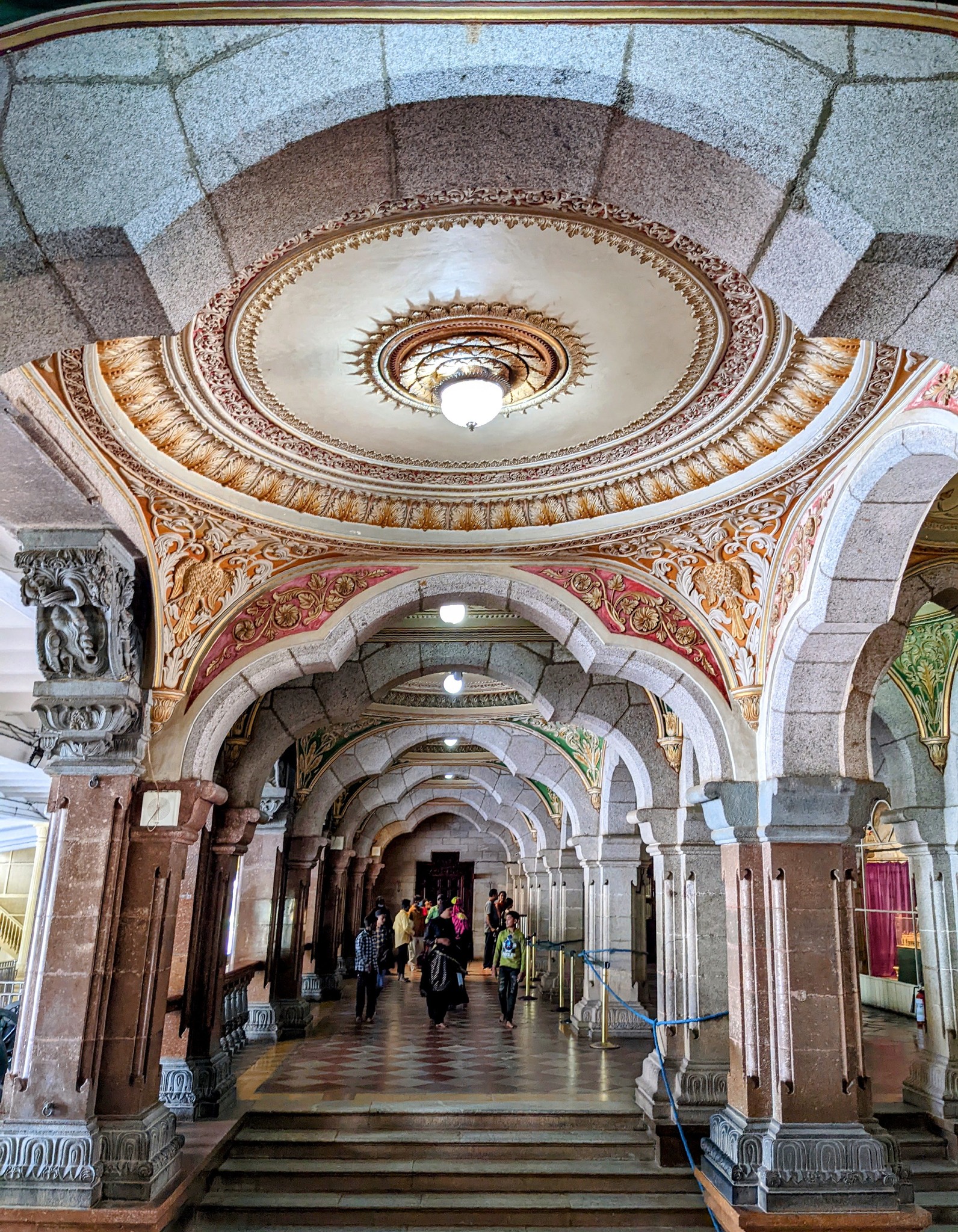
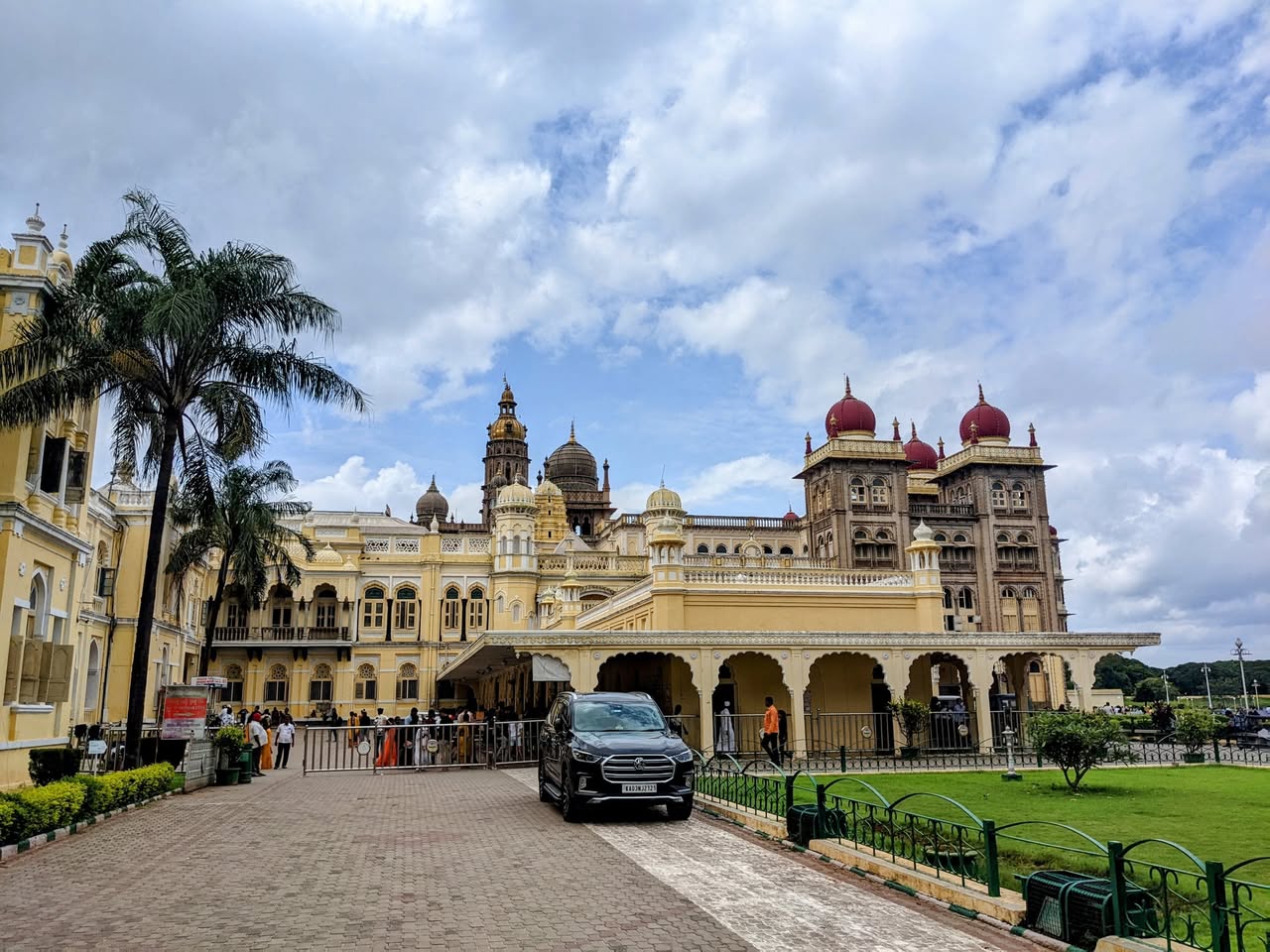
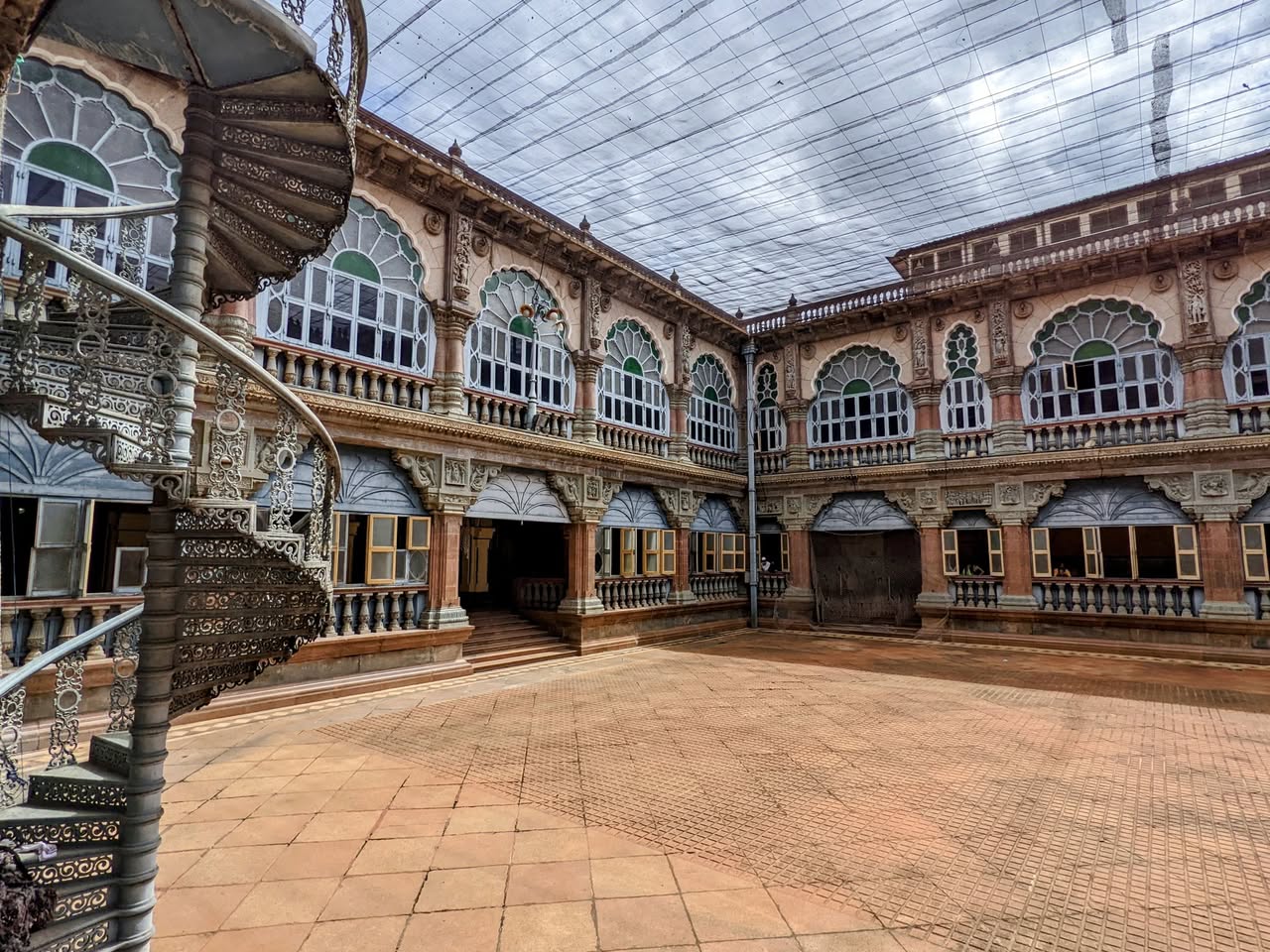
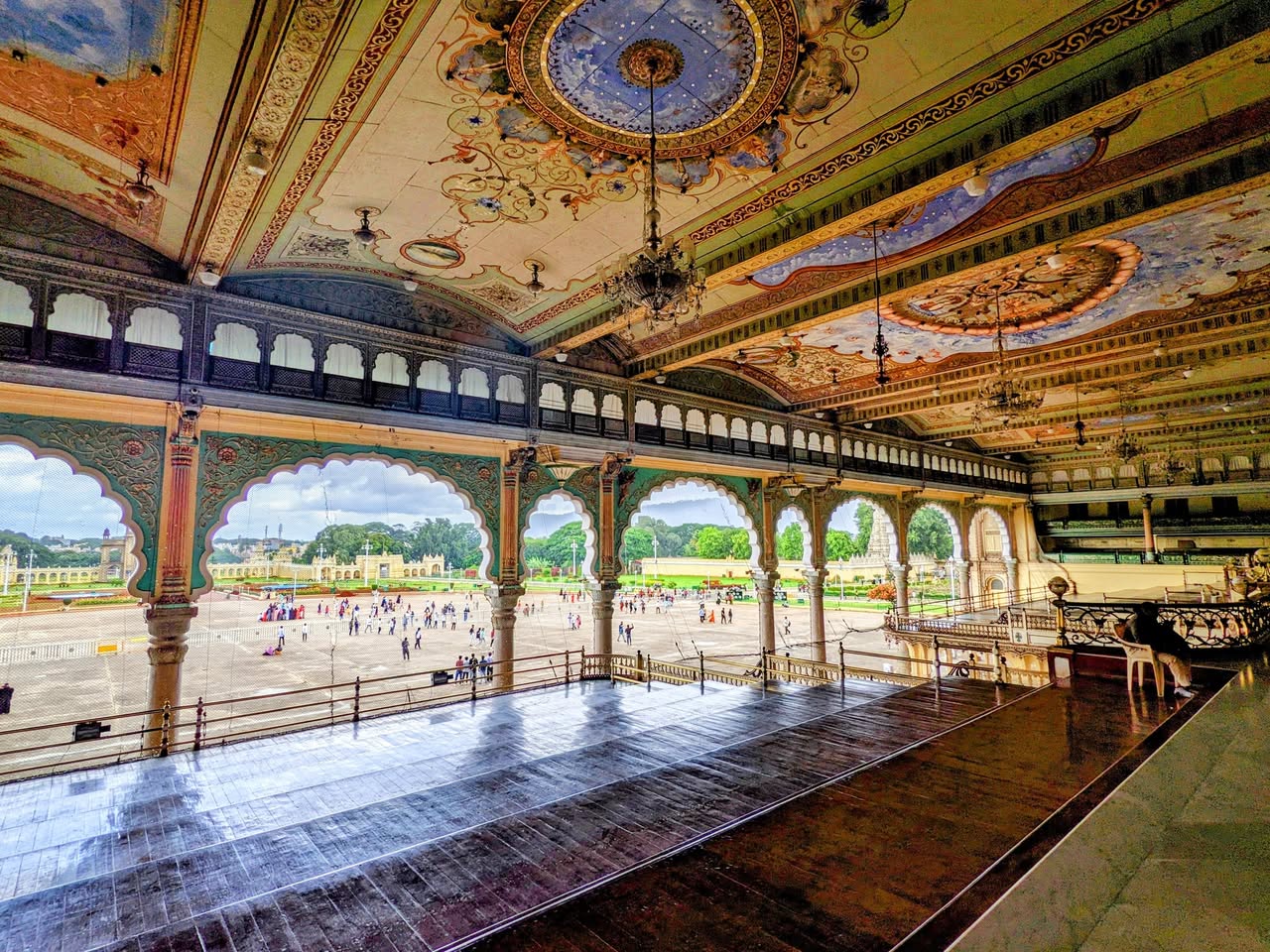
This is the fourth of the palaces built on this site named “Mysuru” (citadel). It was built without cement, using lime mortar, granite, and steel, after the previous wooden palace burnt down in 1897 during a fire that broke out in the princess’ wedding. Current palace complex spans 72 acres as an octagonal fort with ten gates, with four large temples inside. 65% of the palace is open for tourists, while the rest is being used as the residence of the royal family.
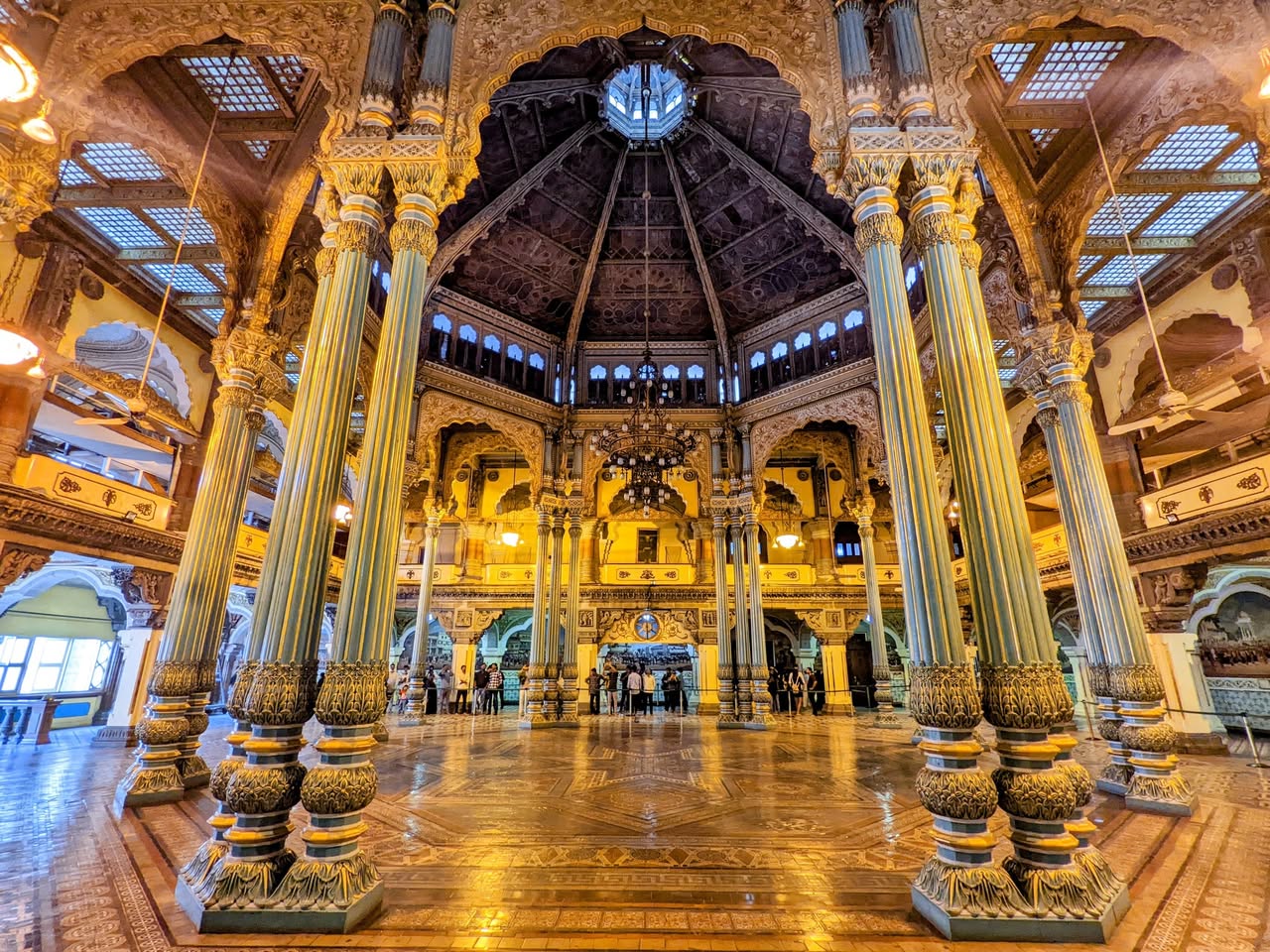
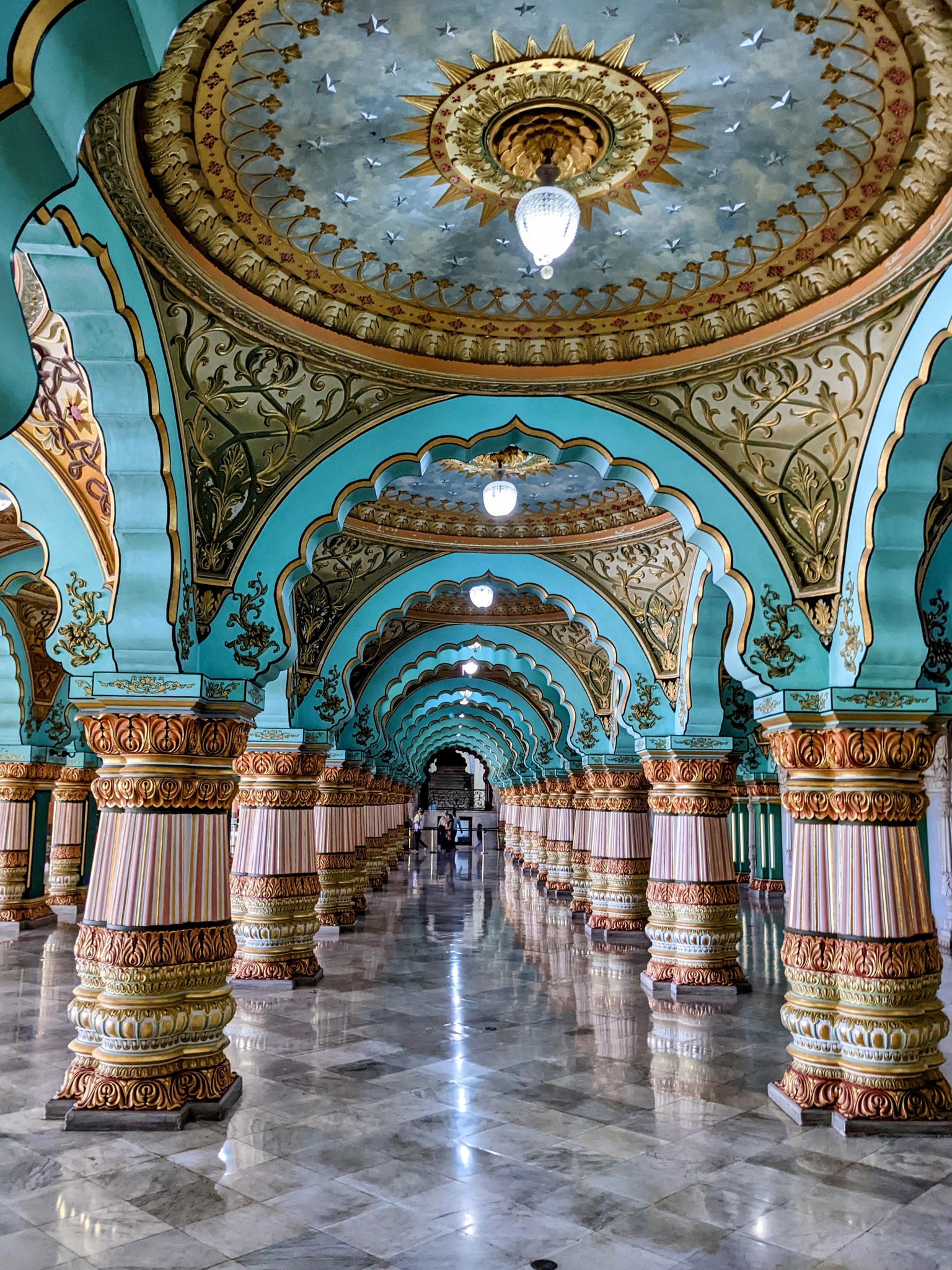
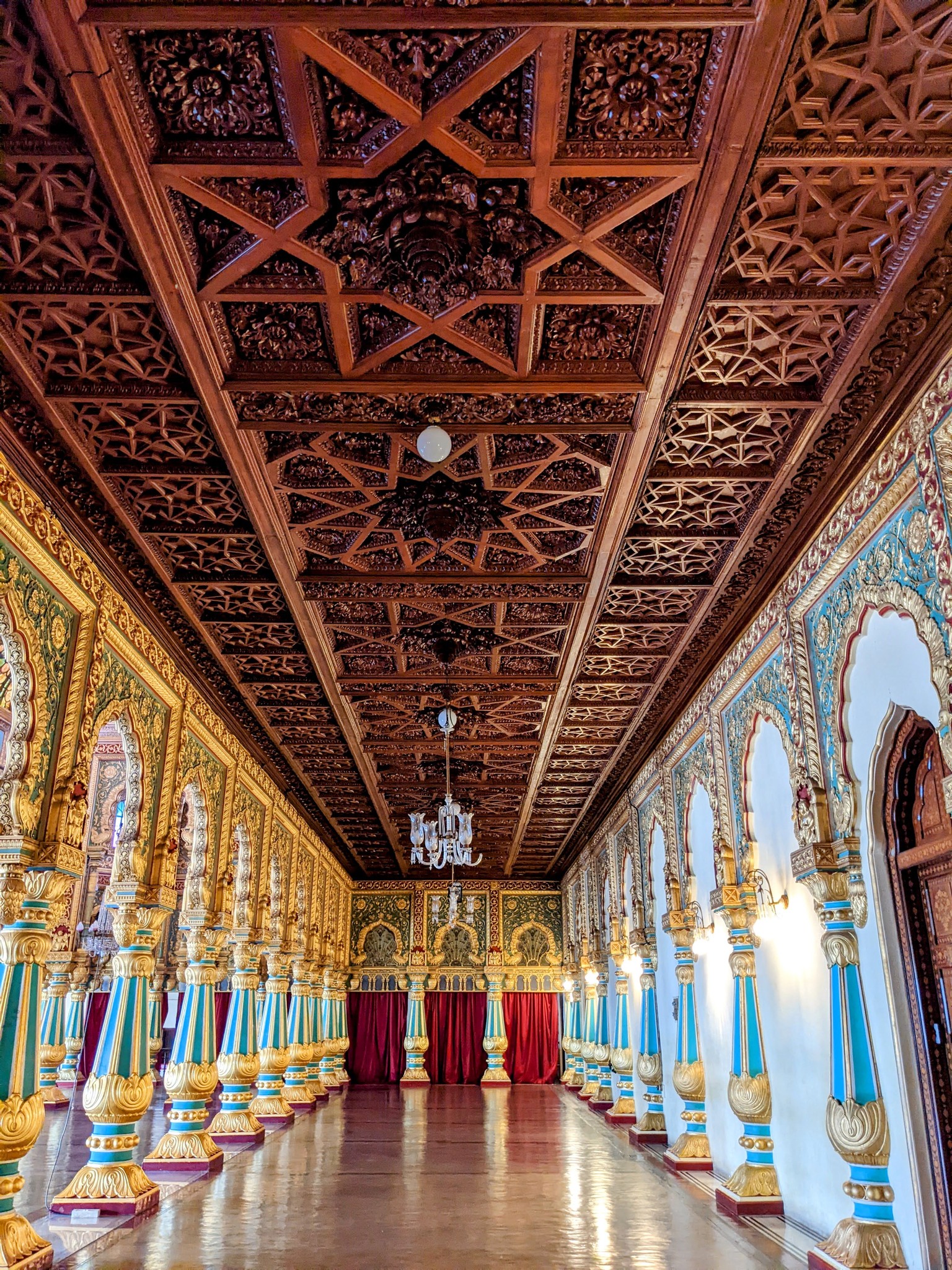
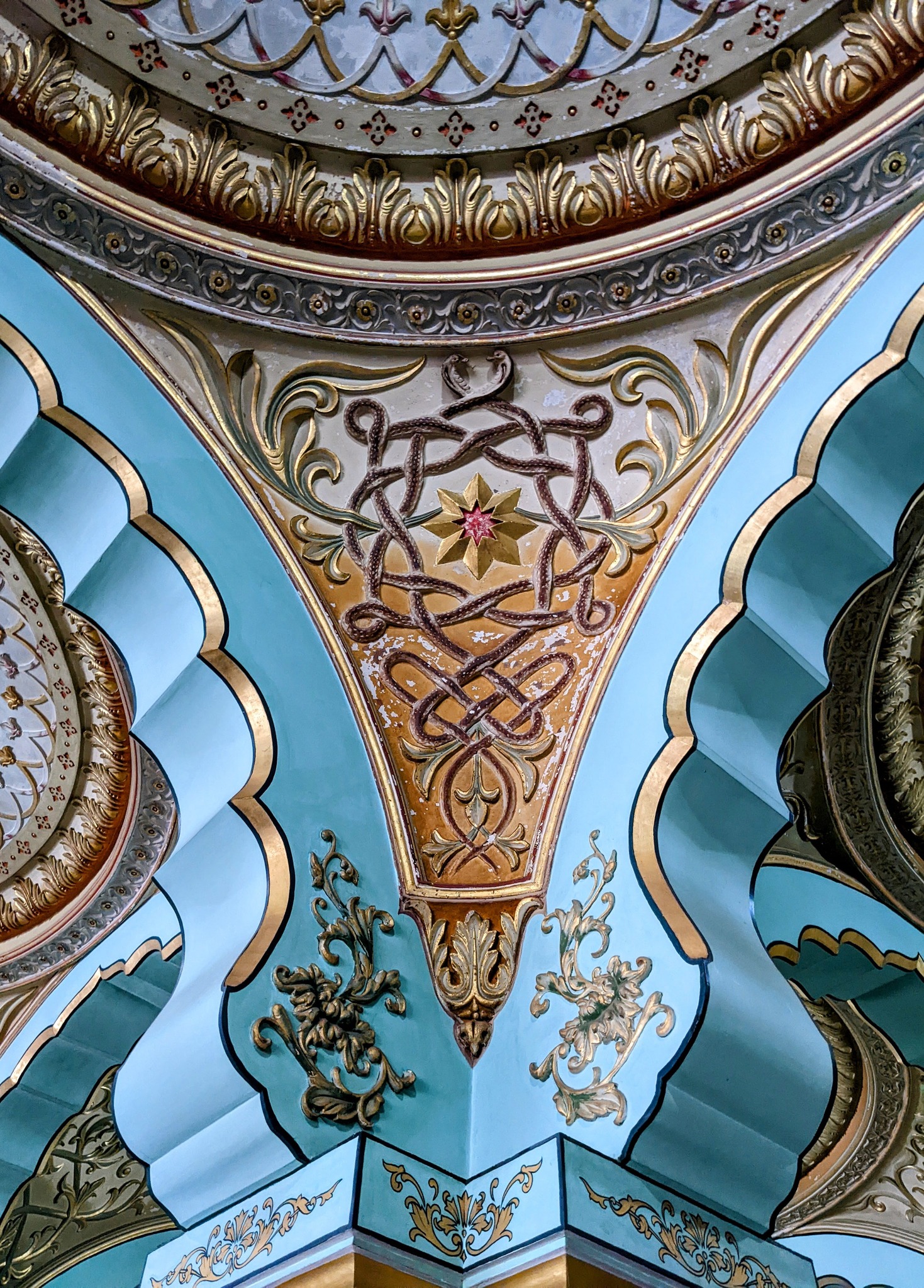
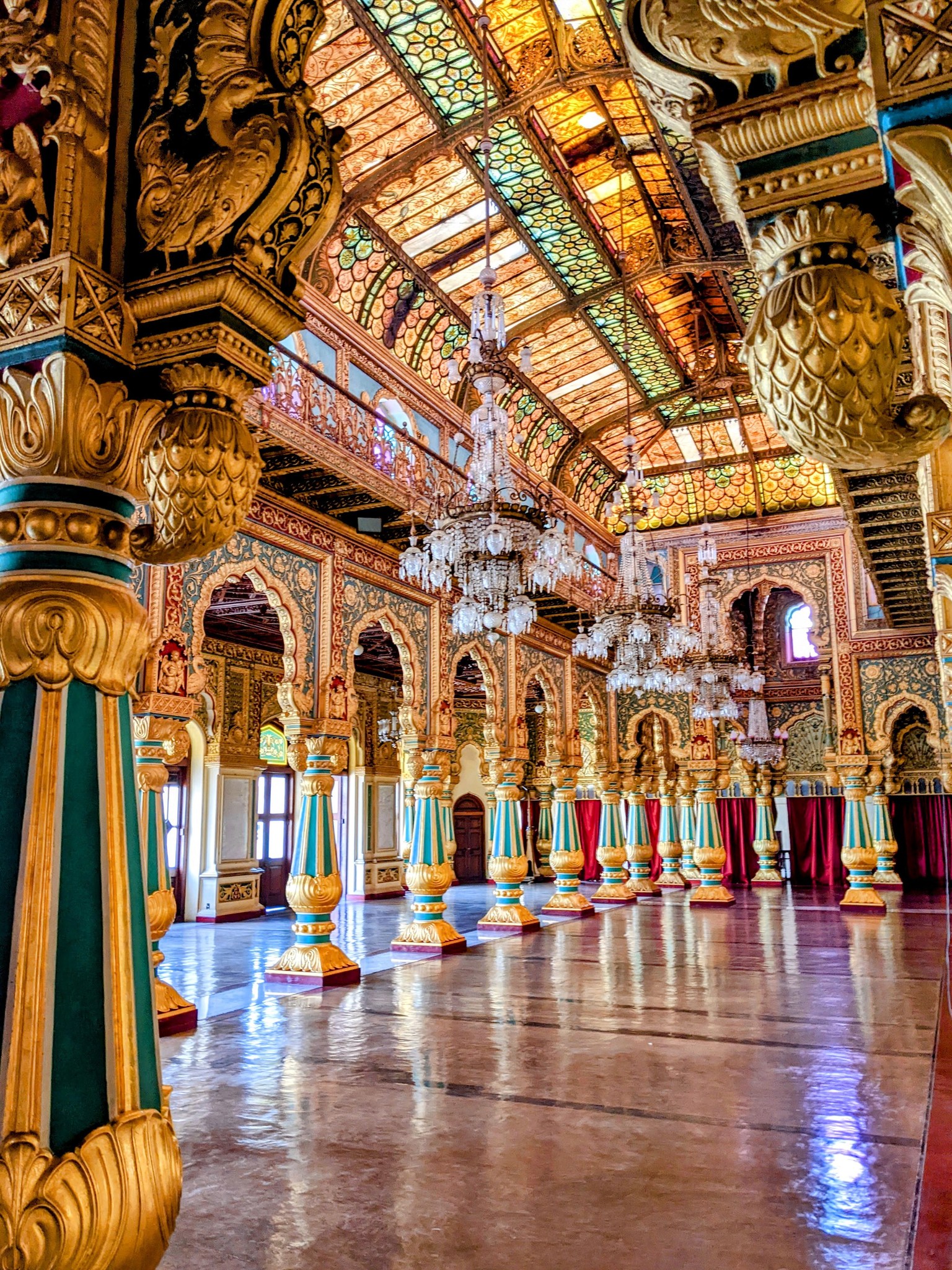
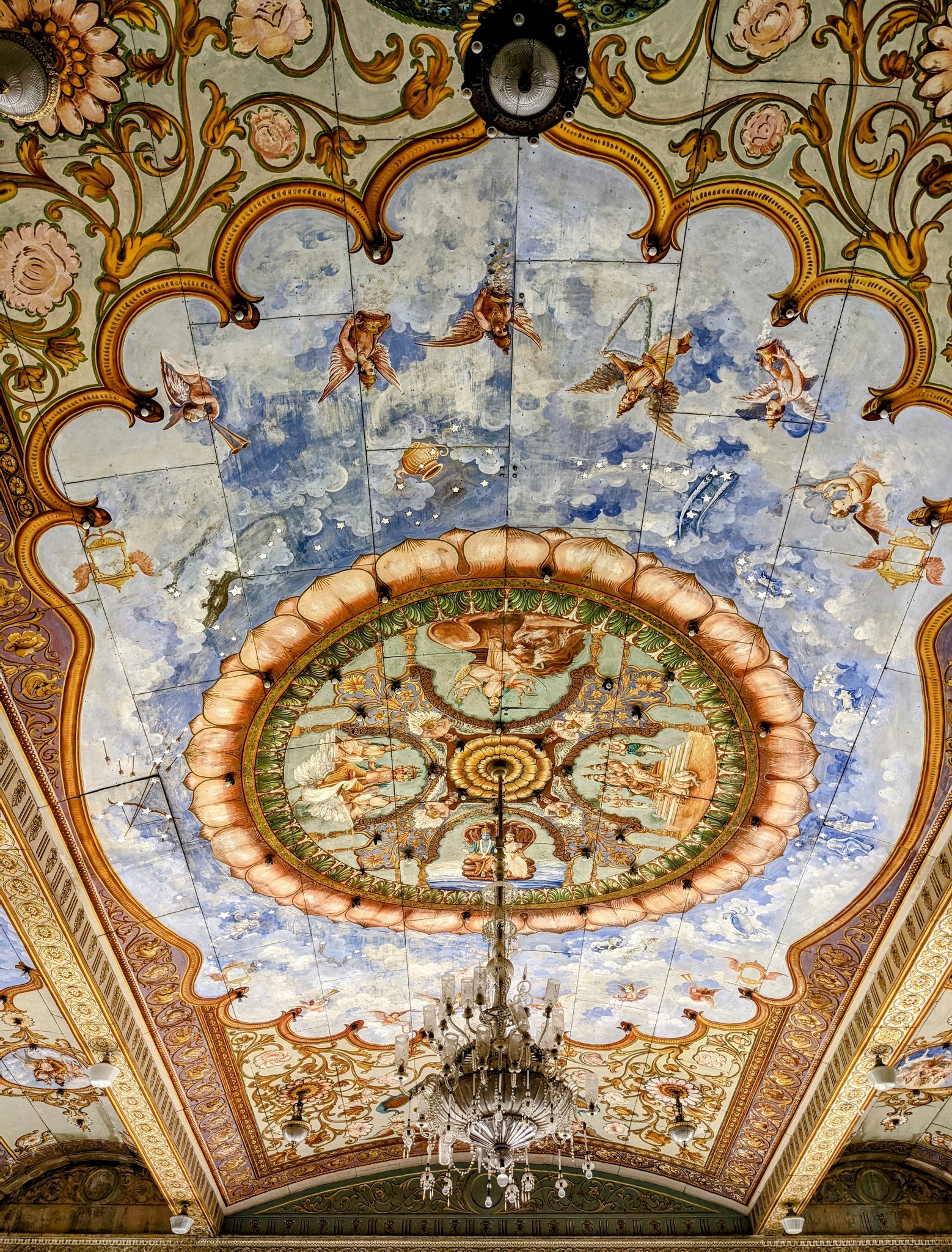
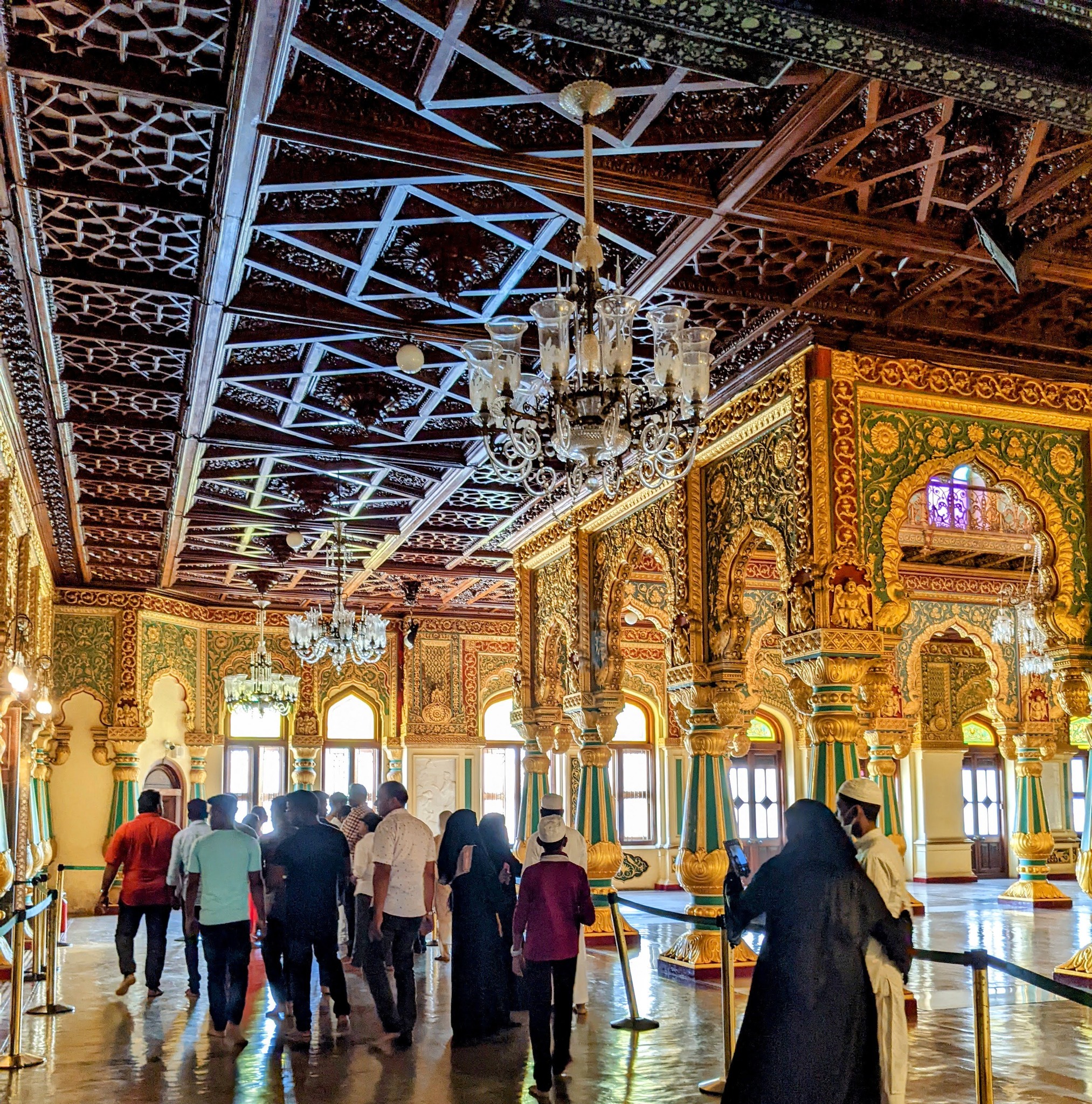
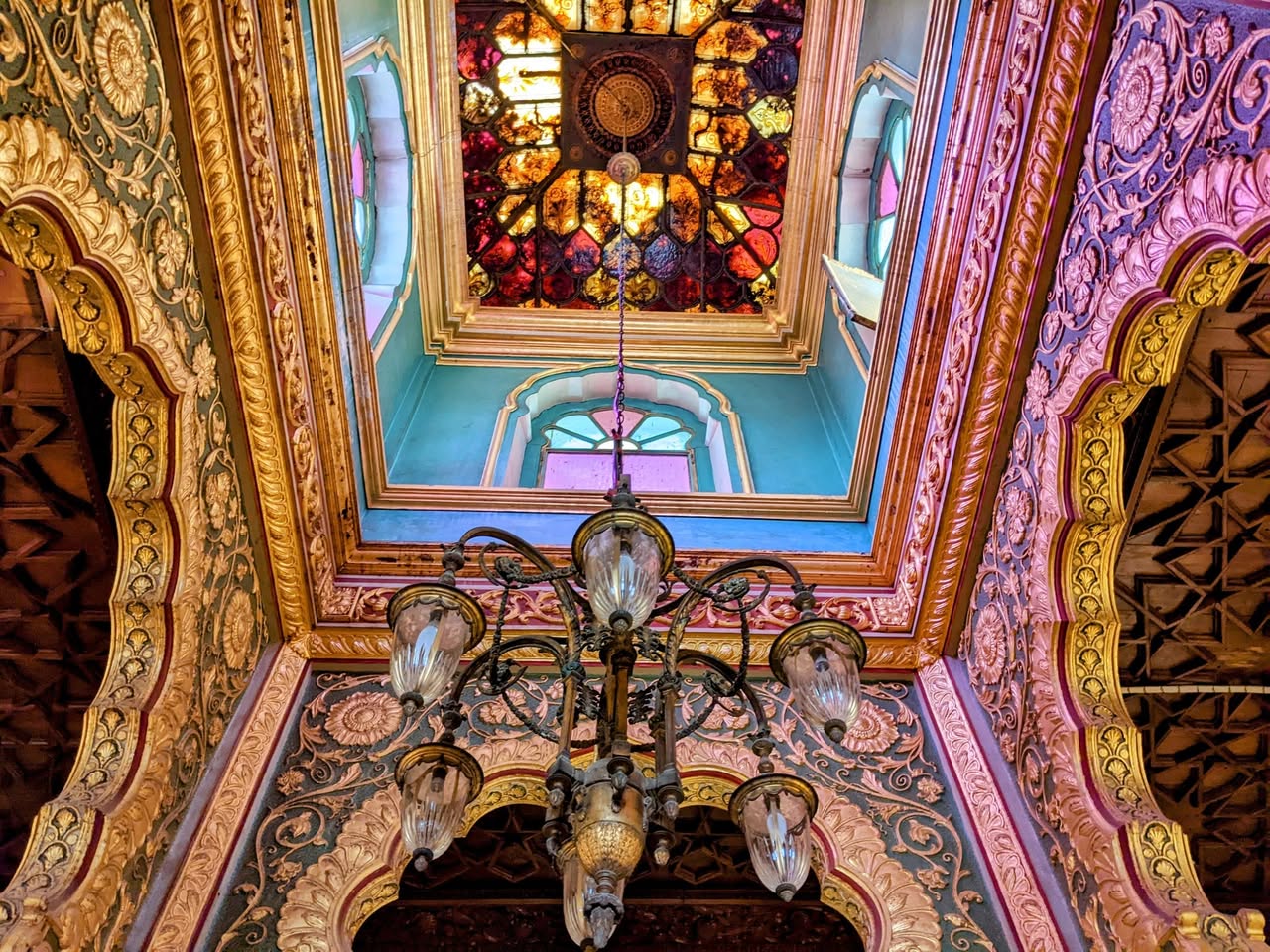
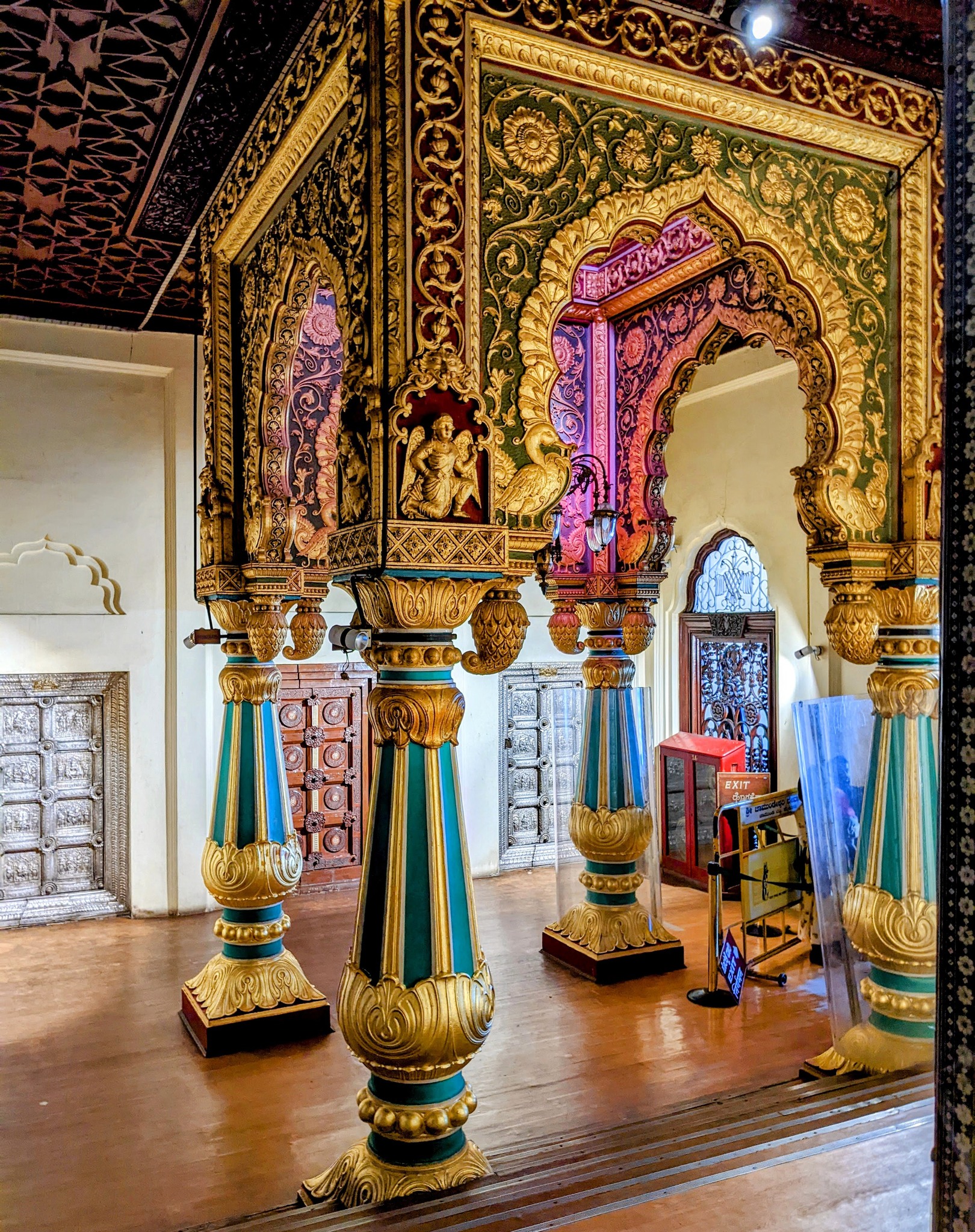
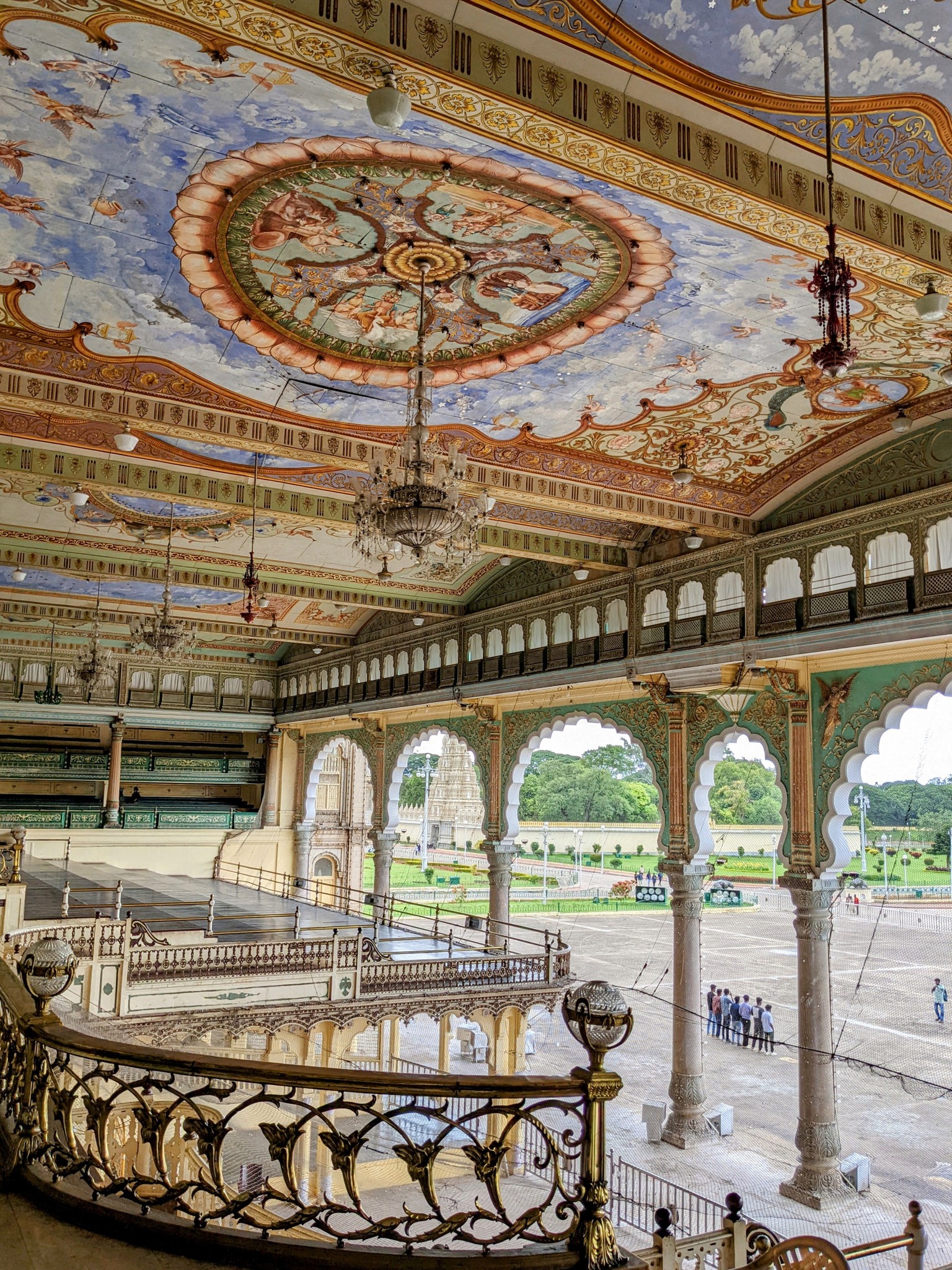
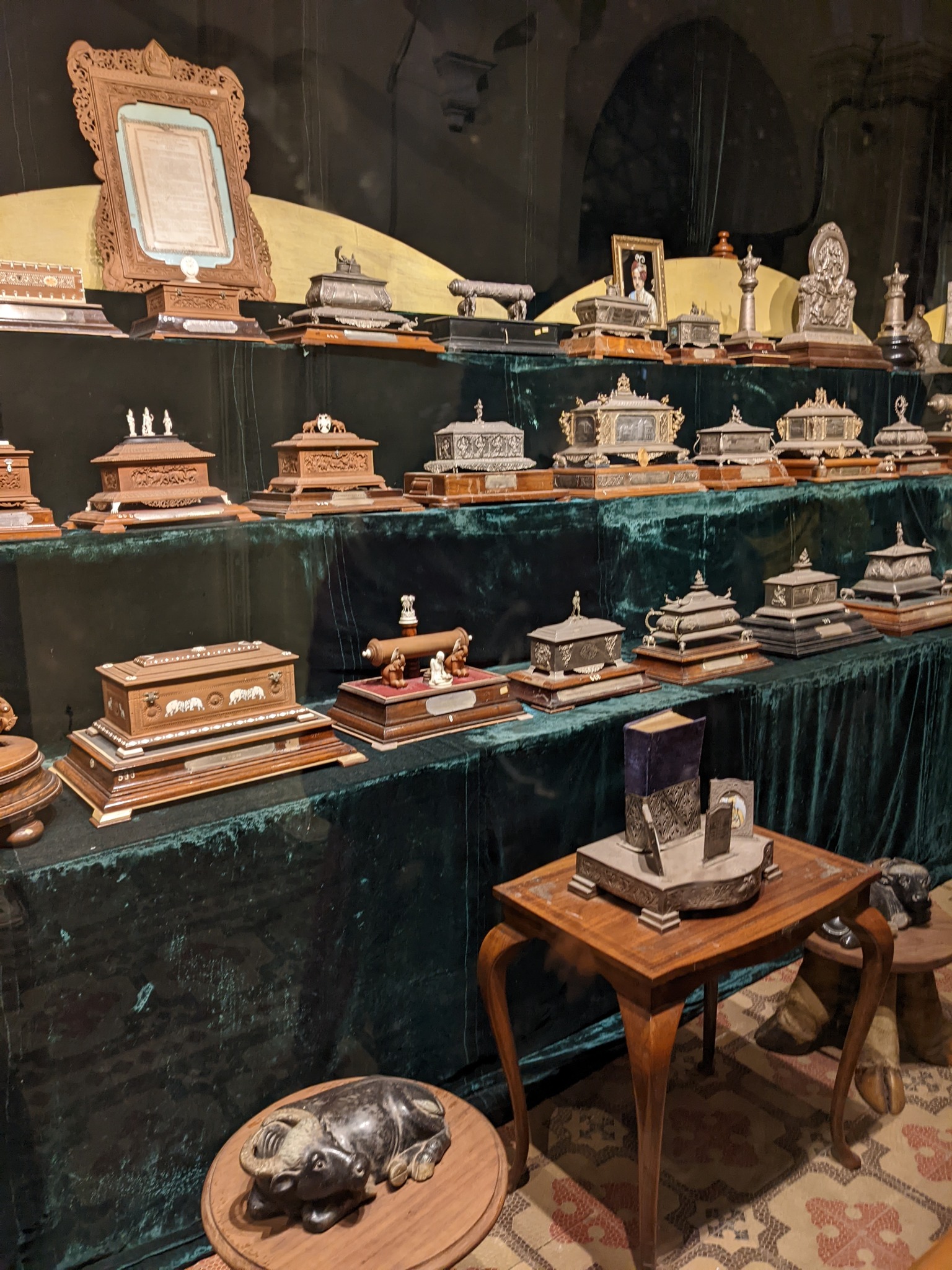
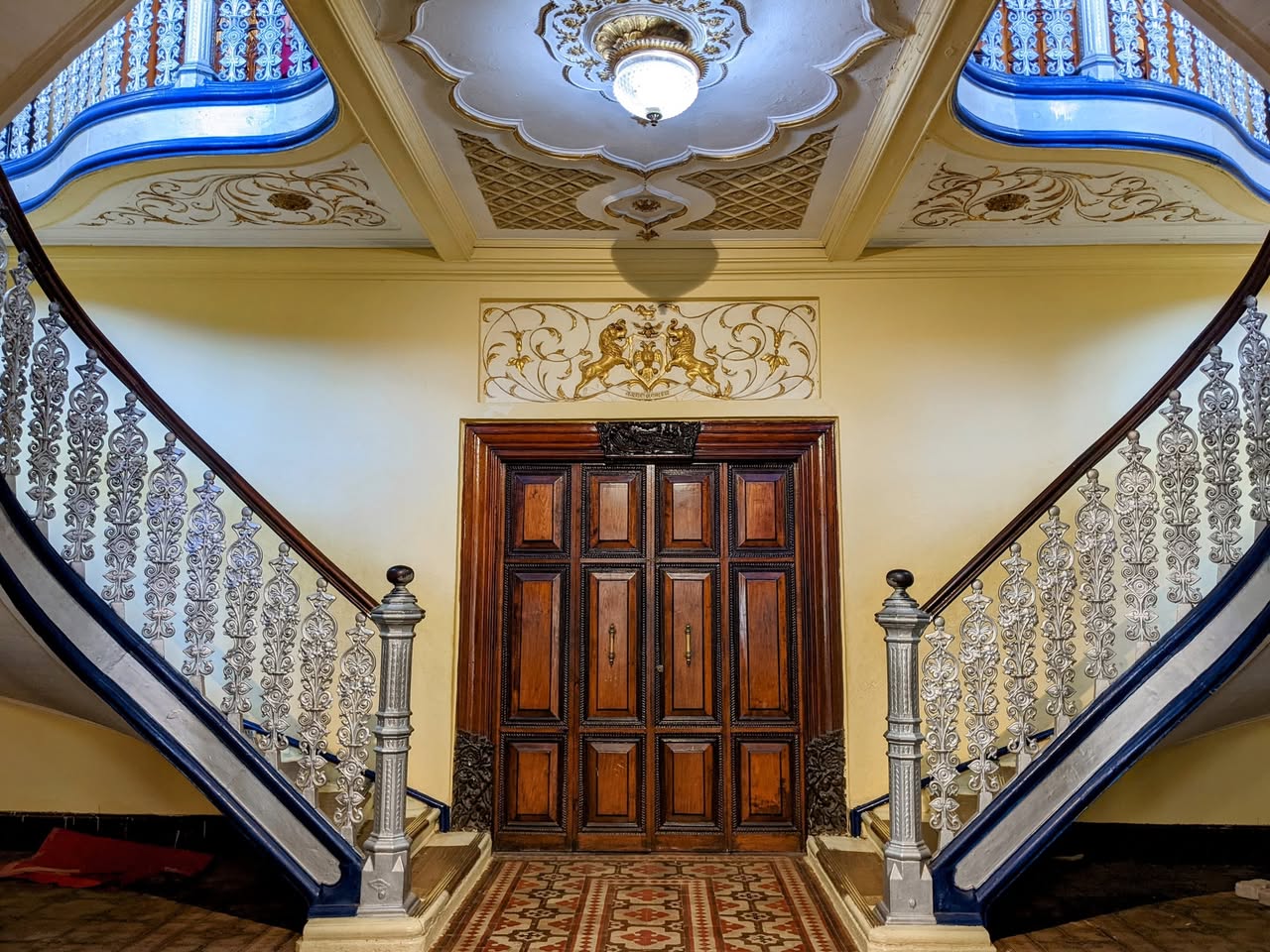
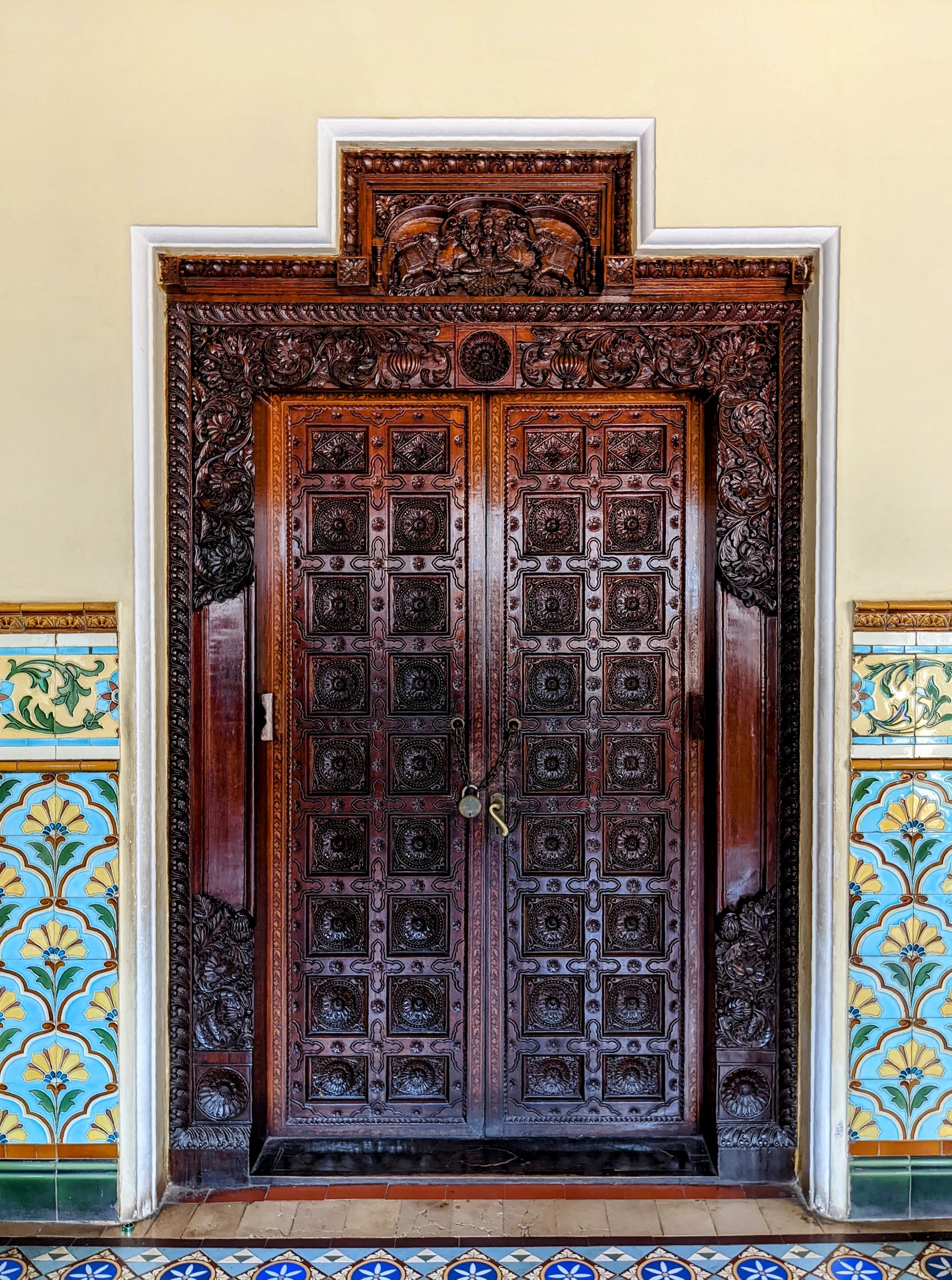
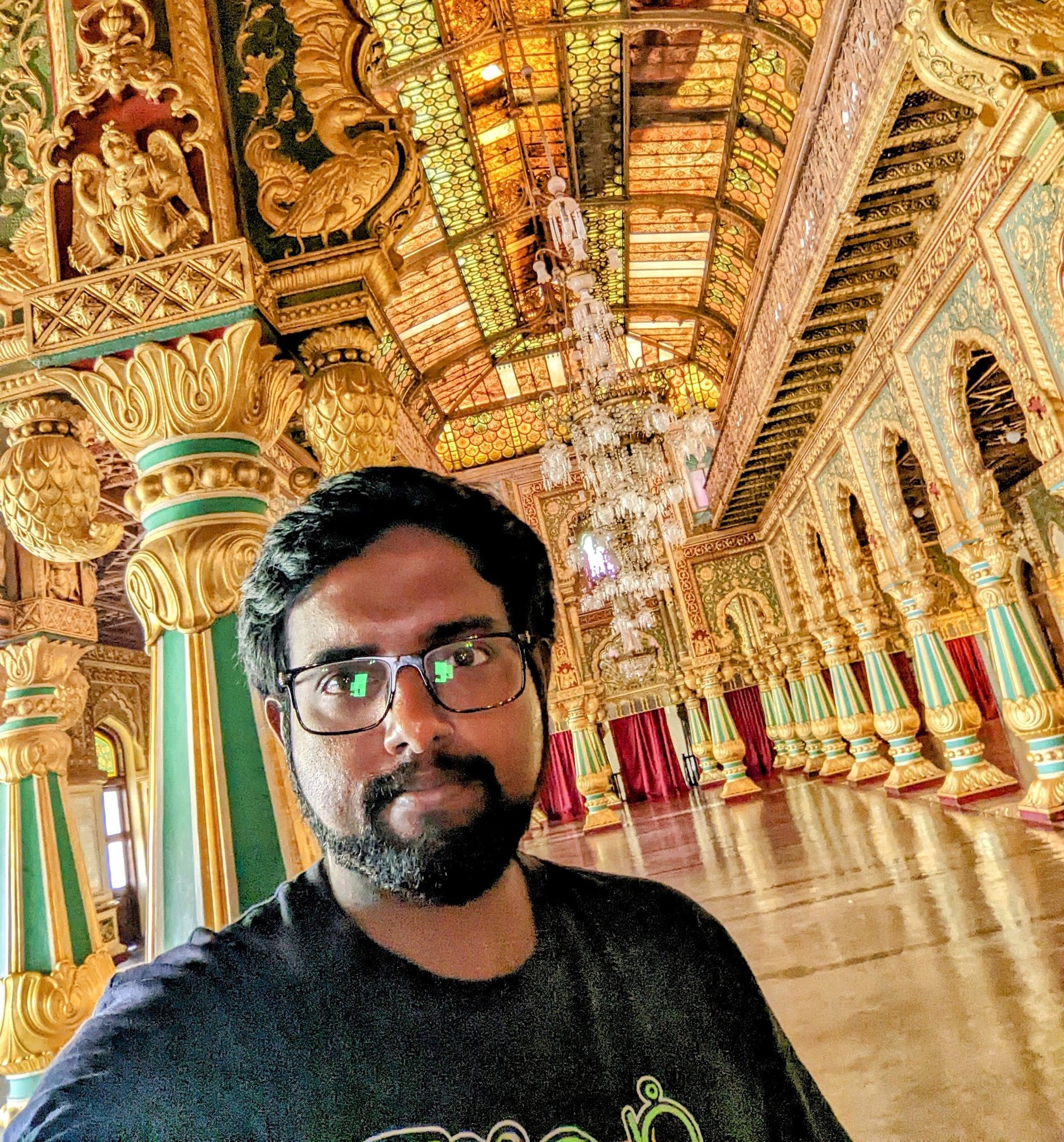
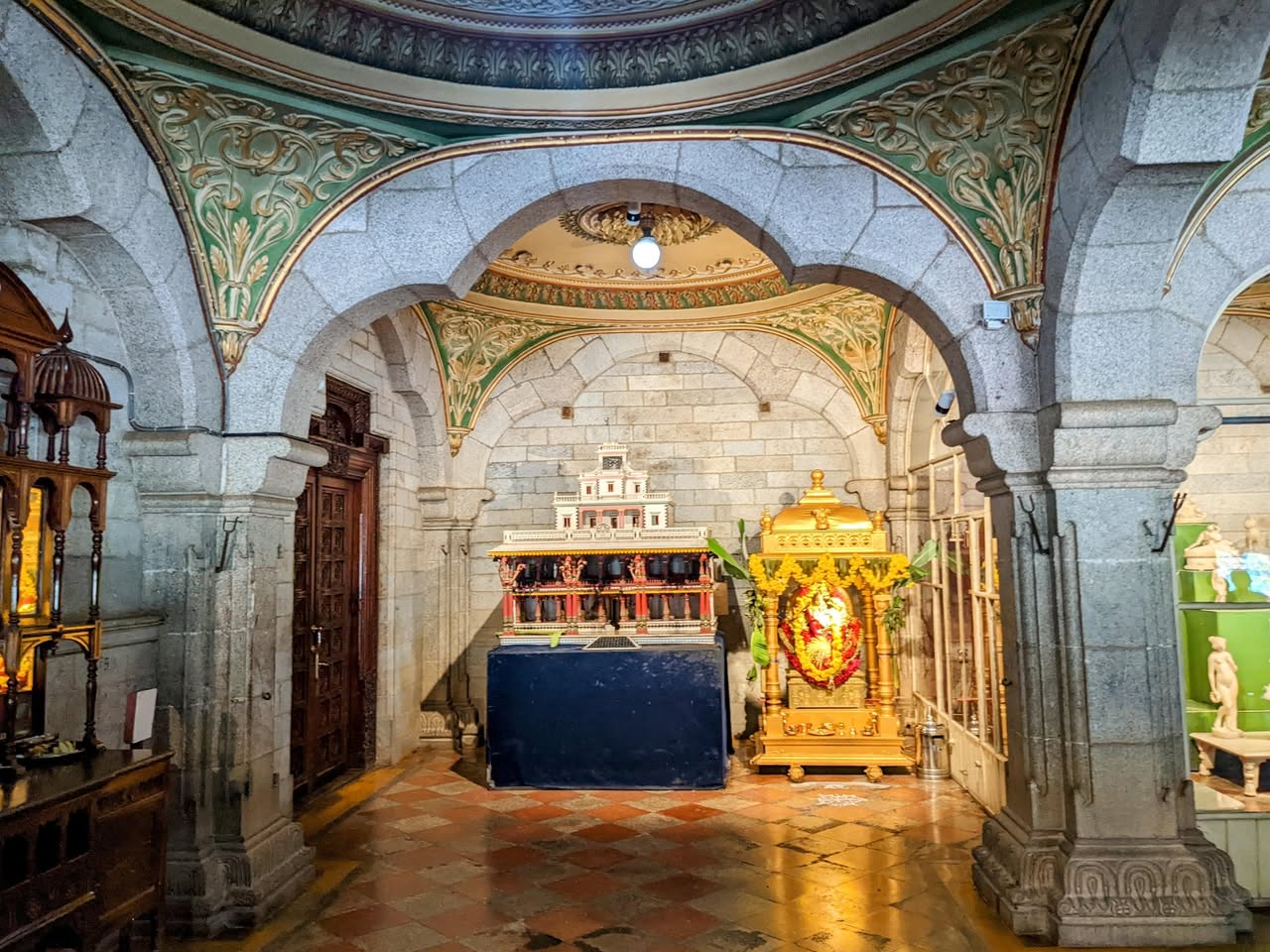
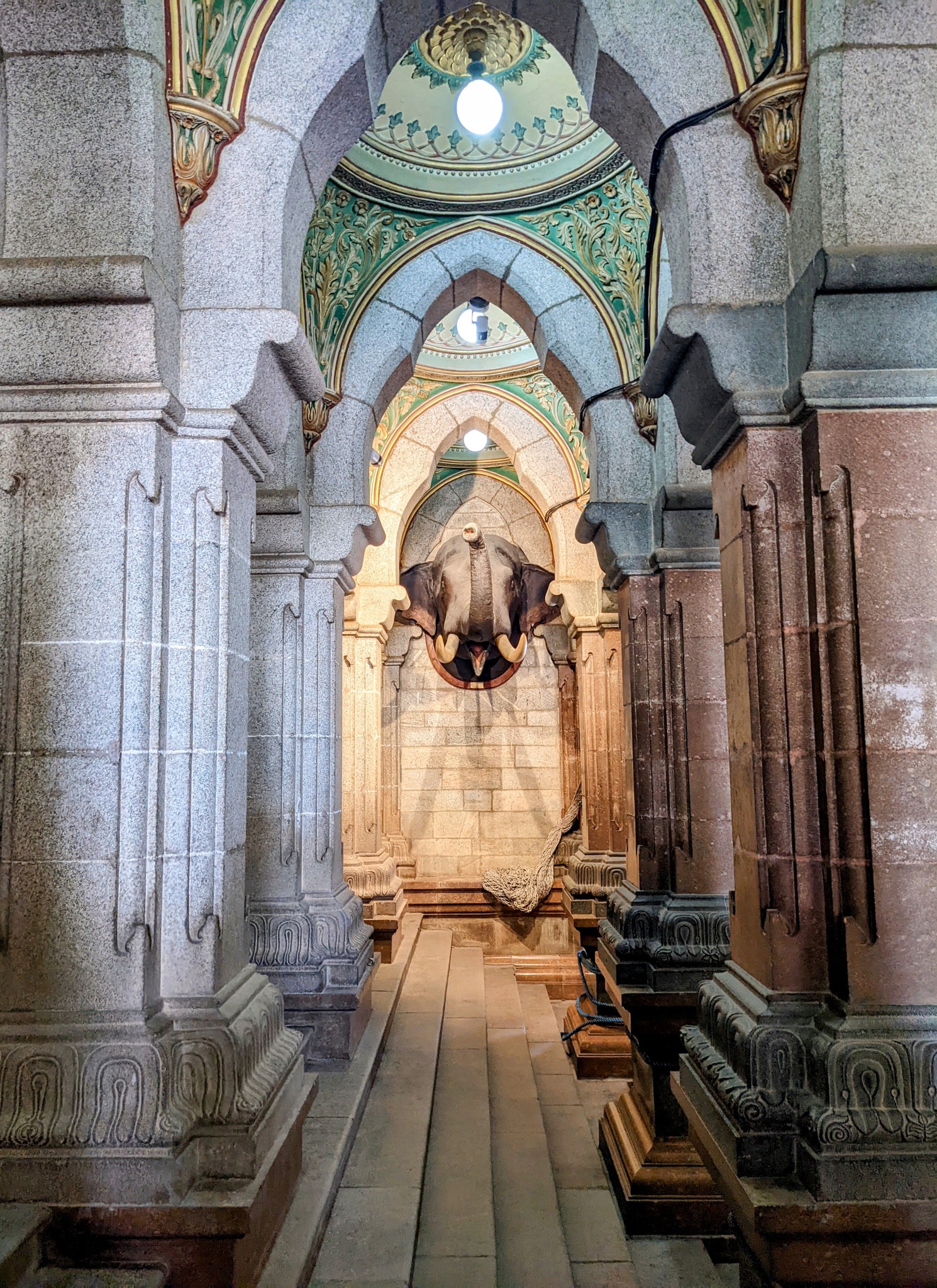
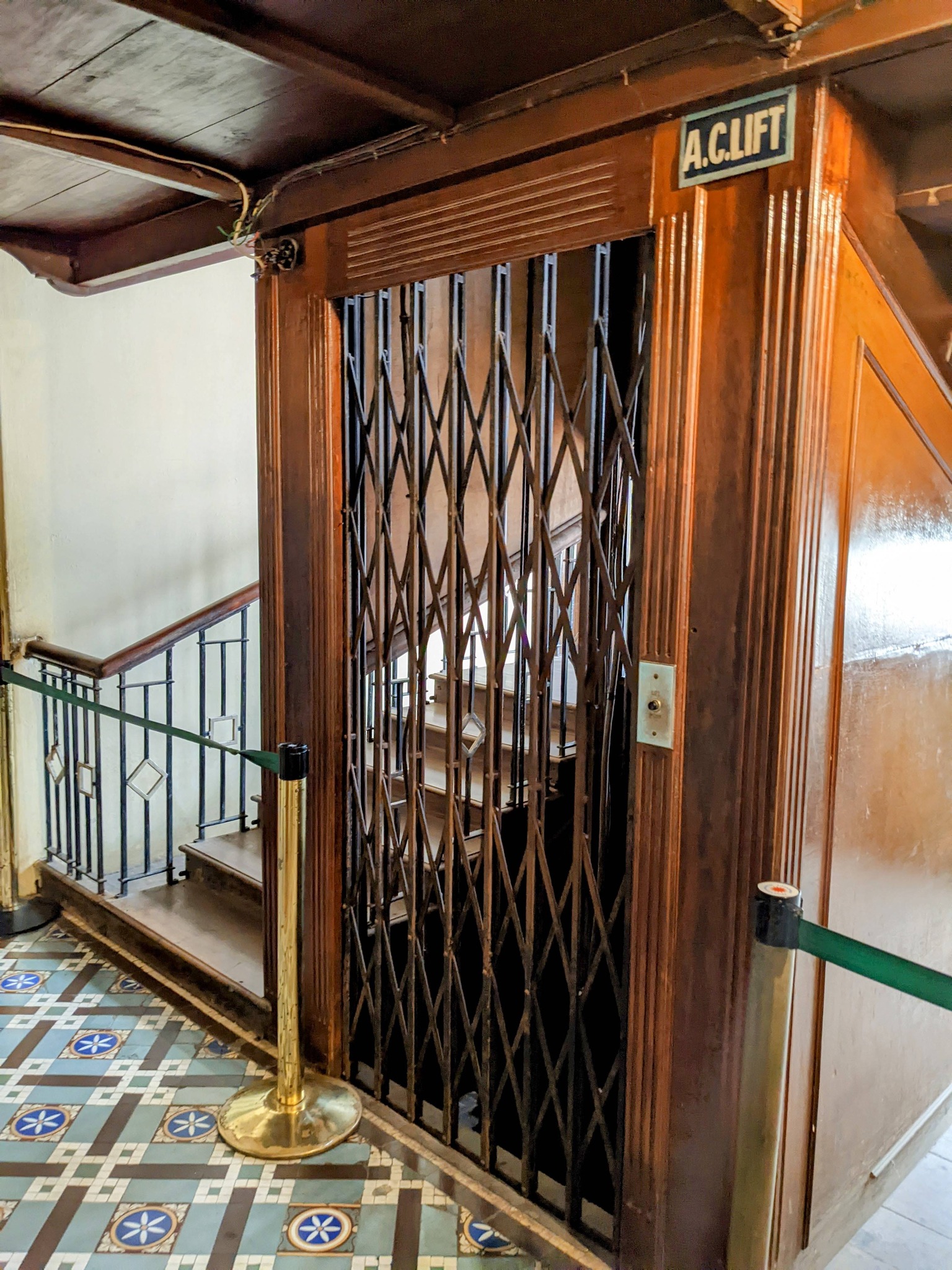
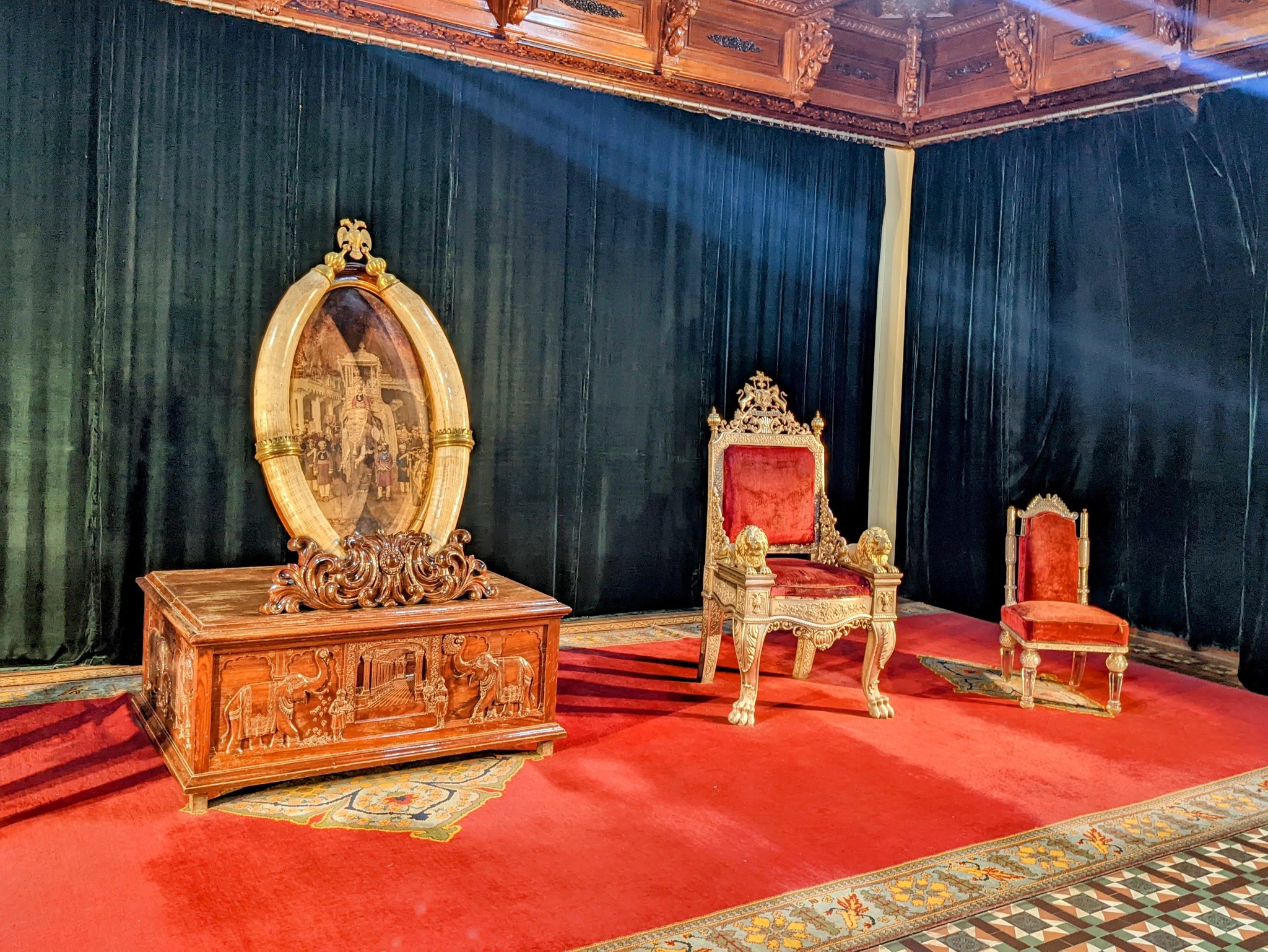
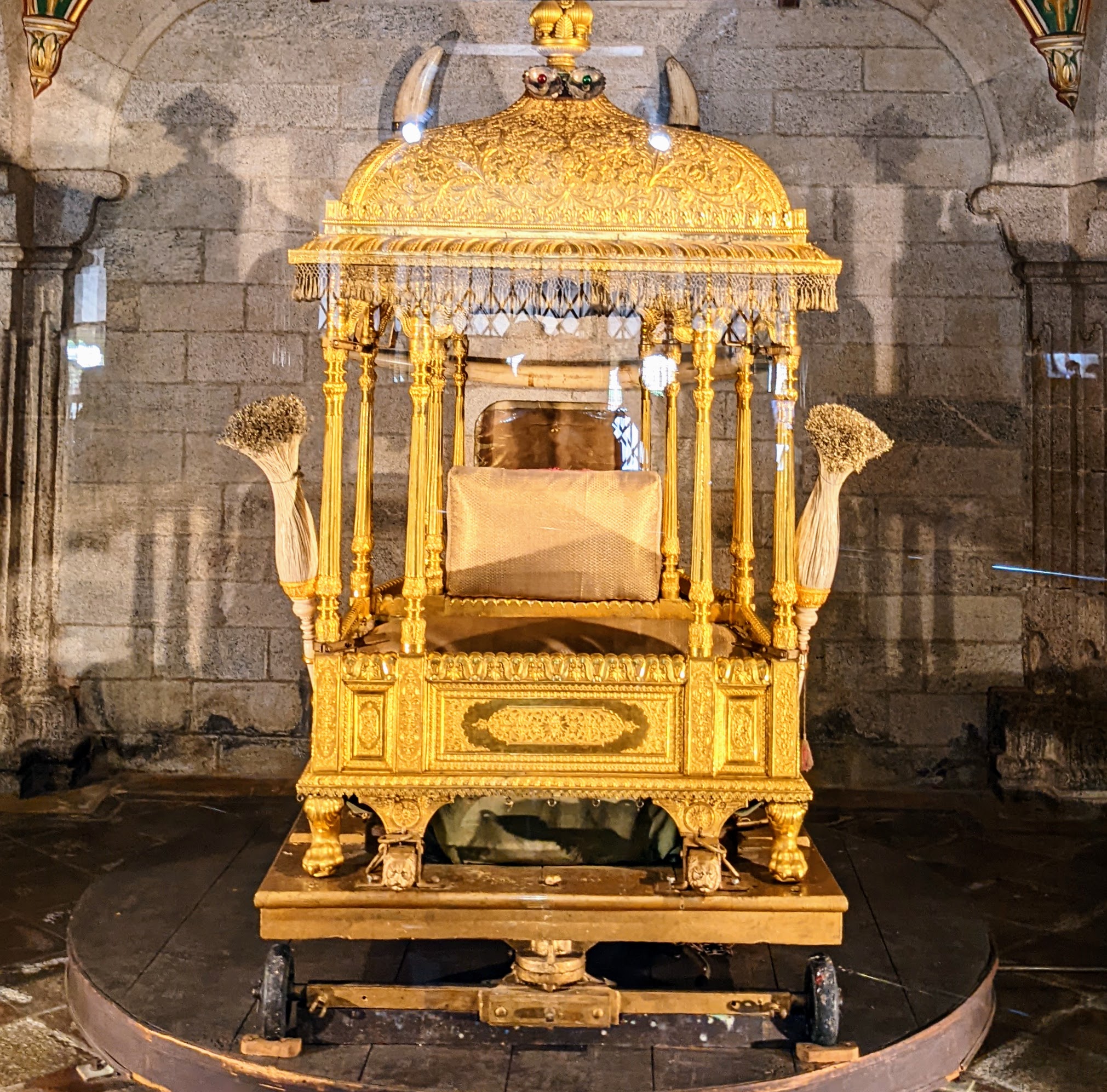
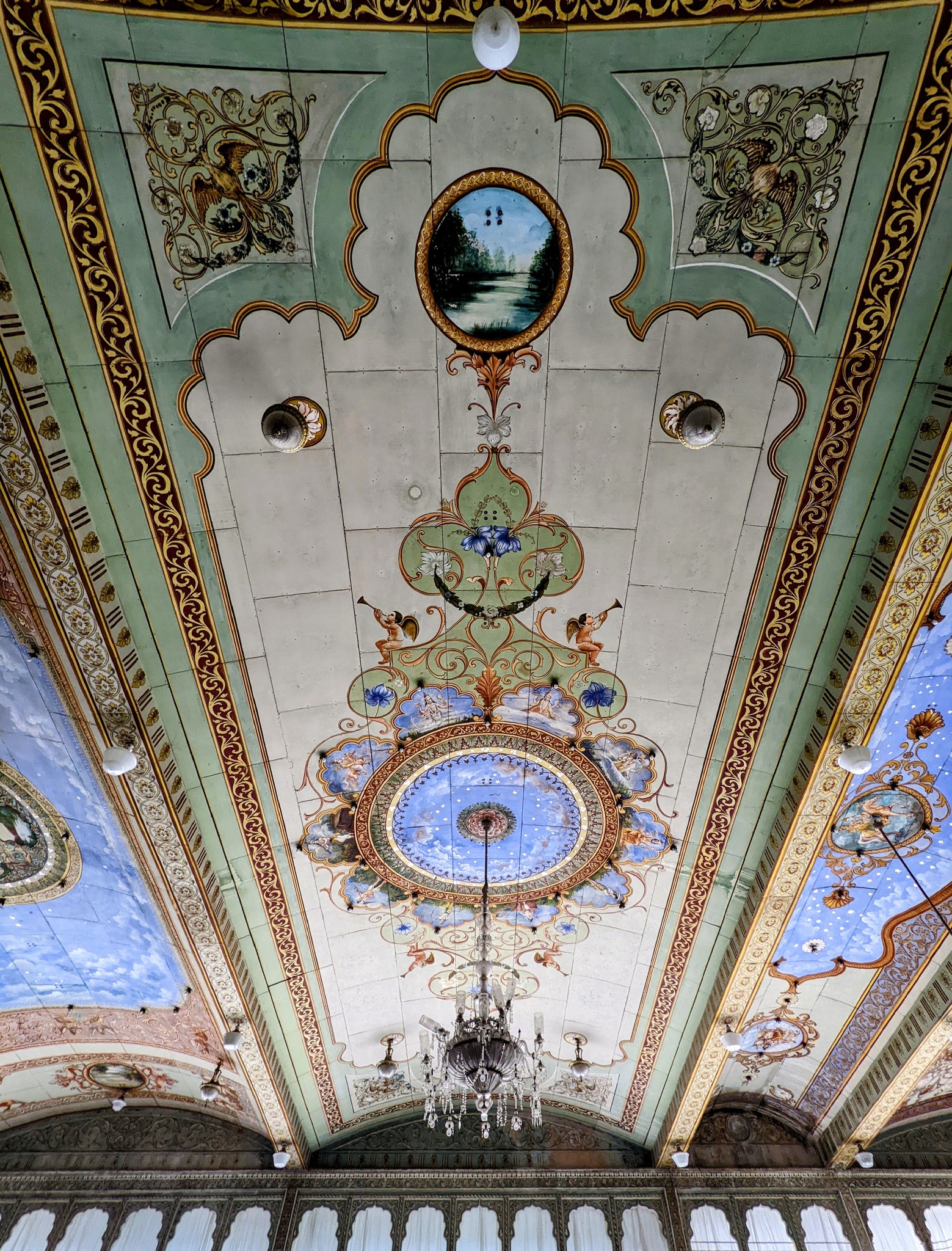
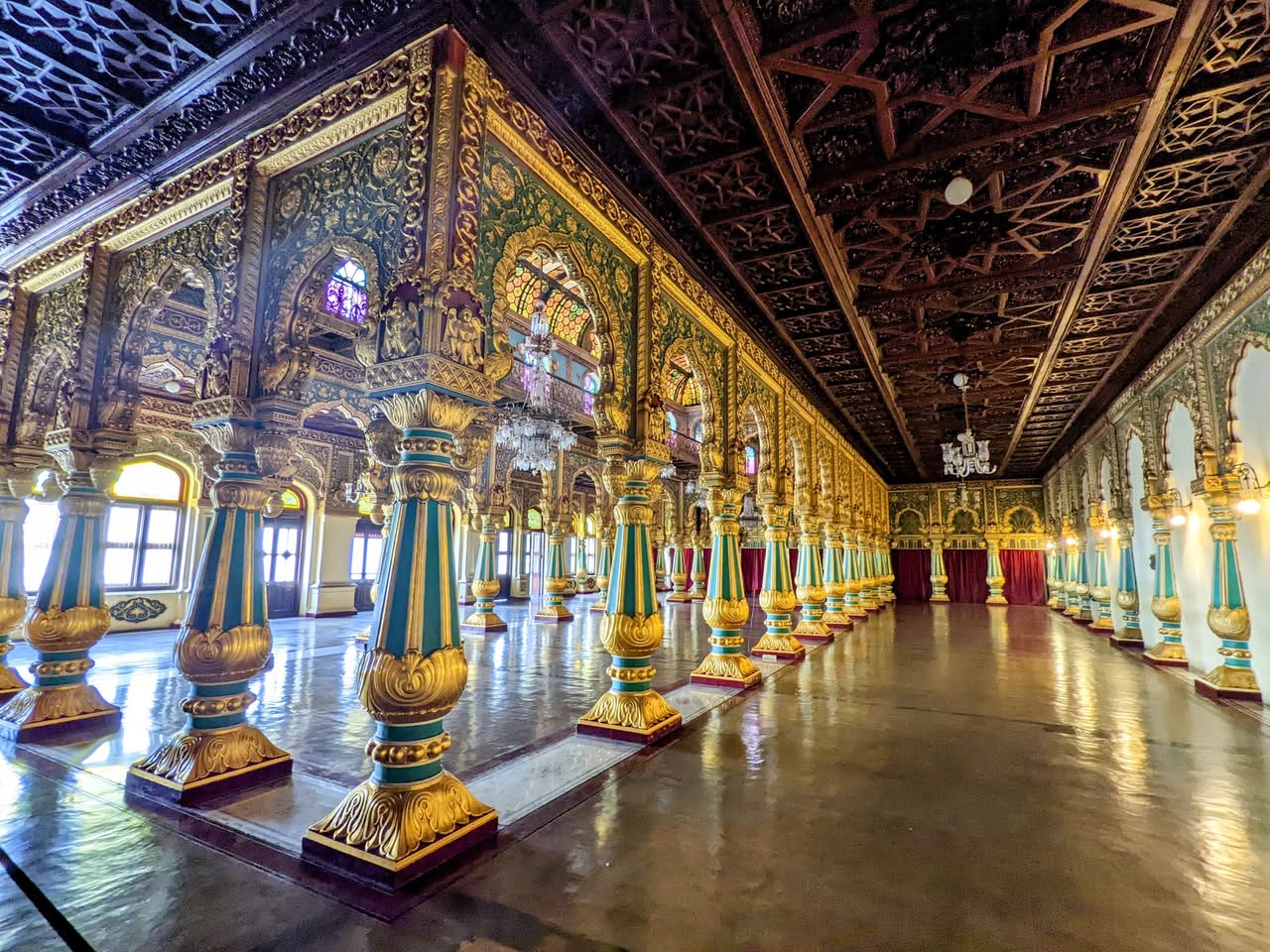
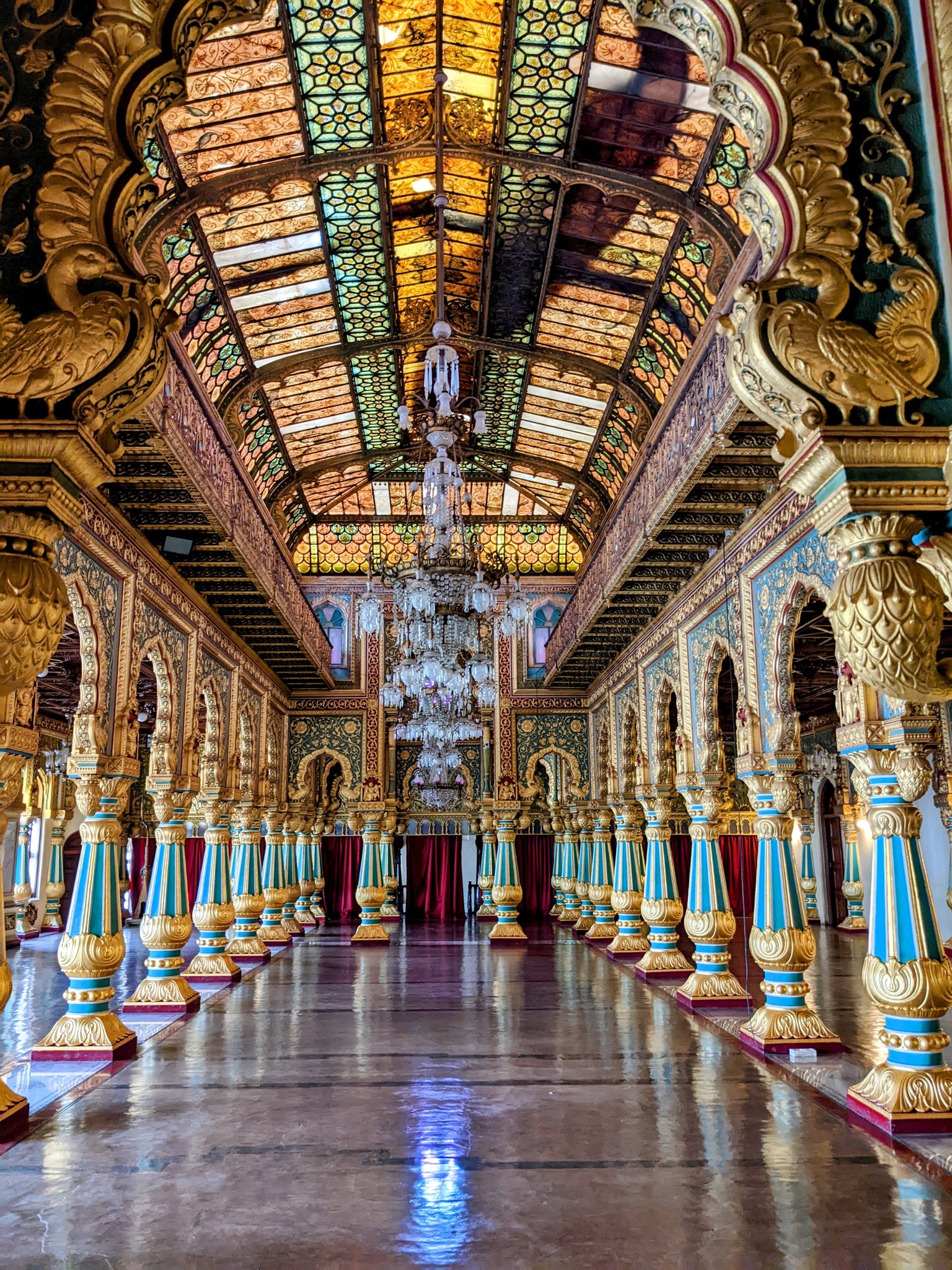
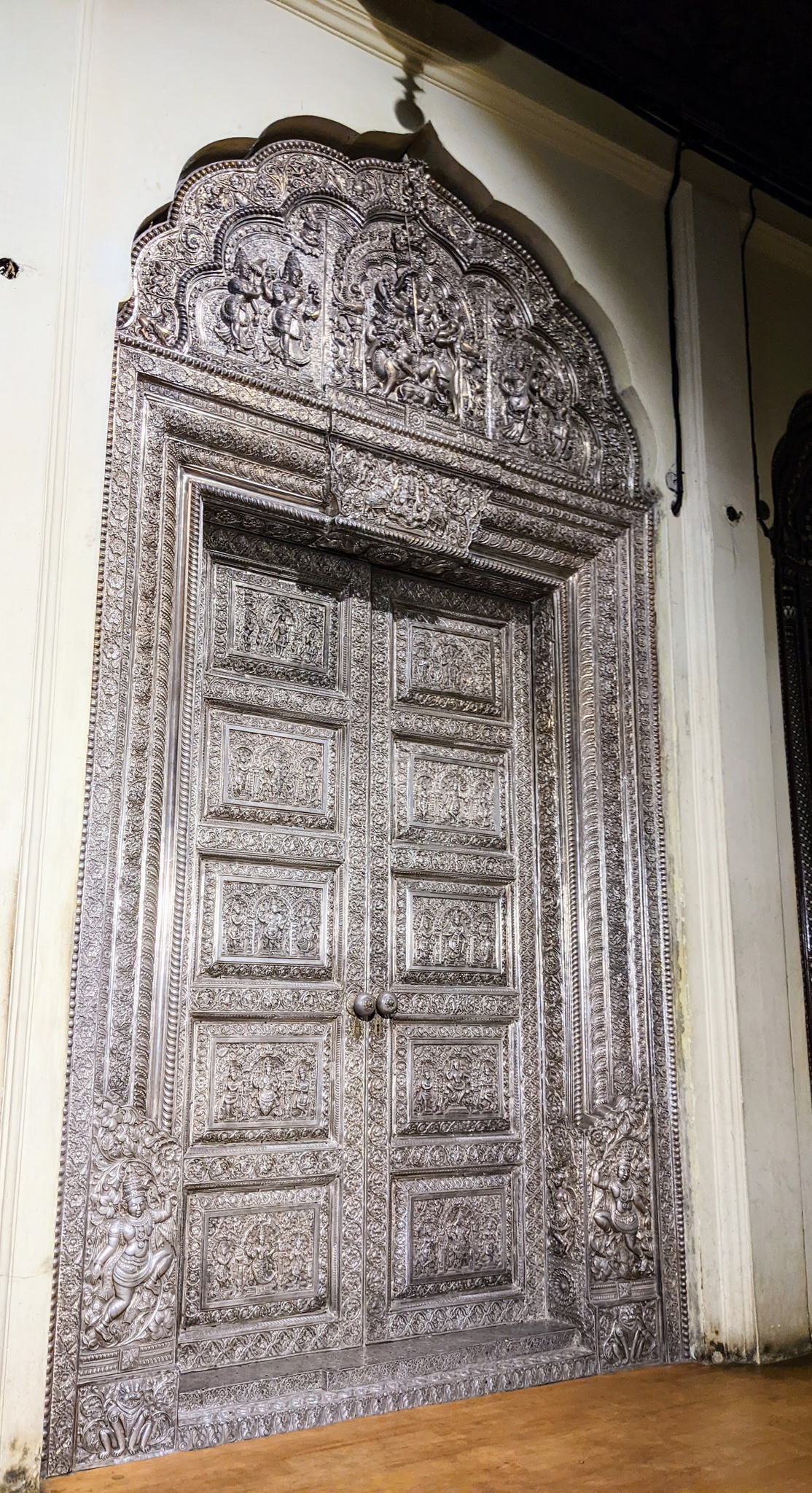
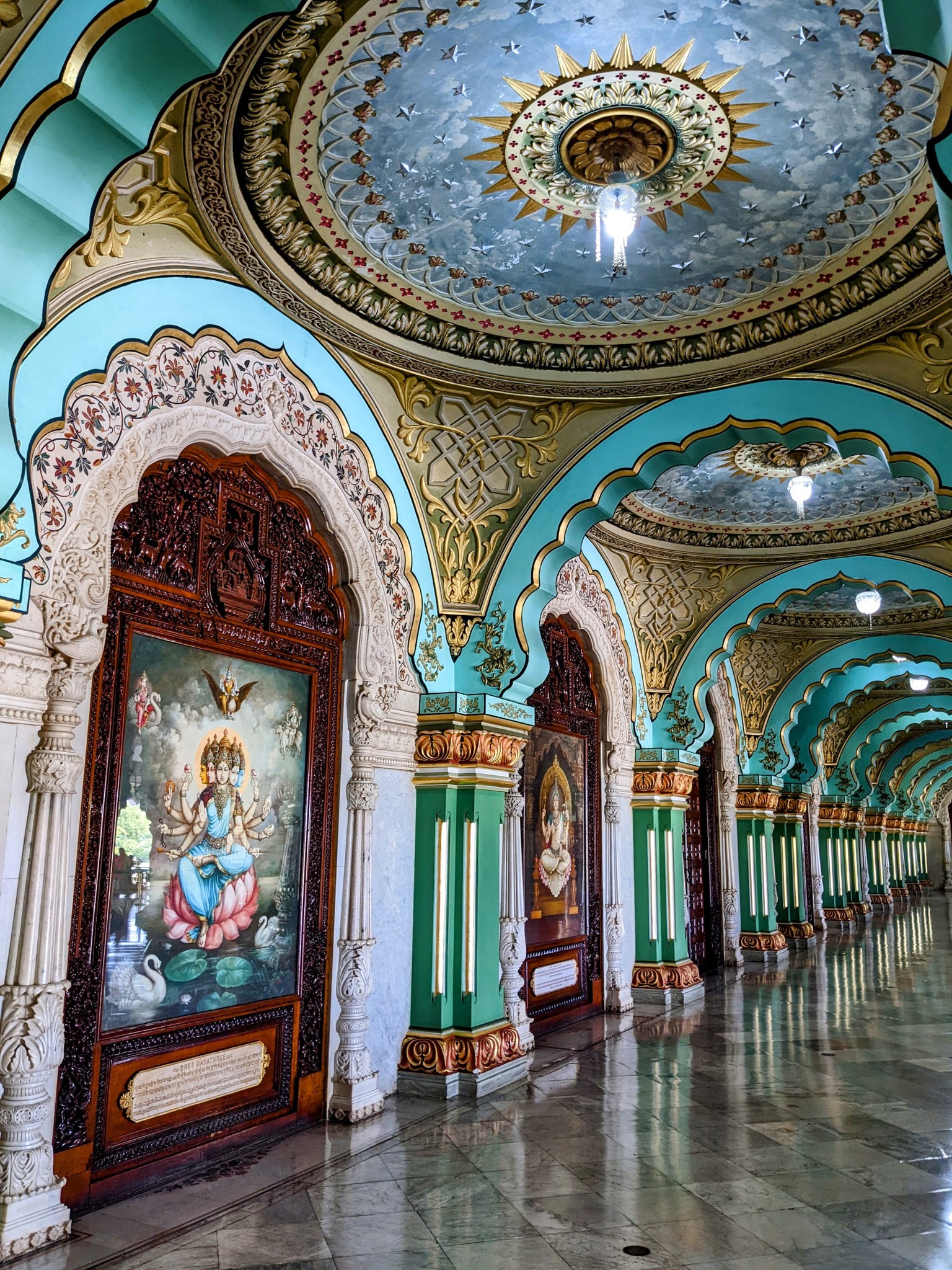
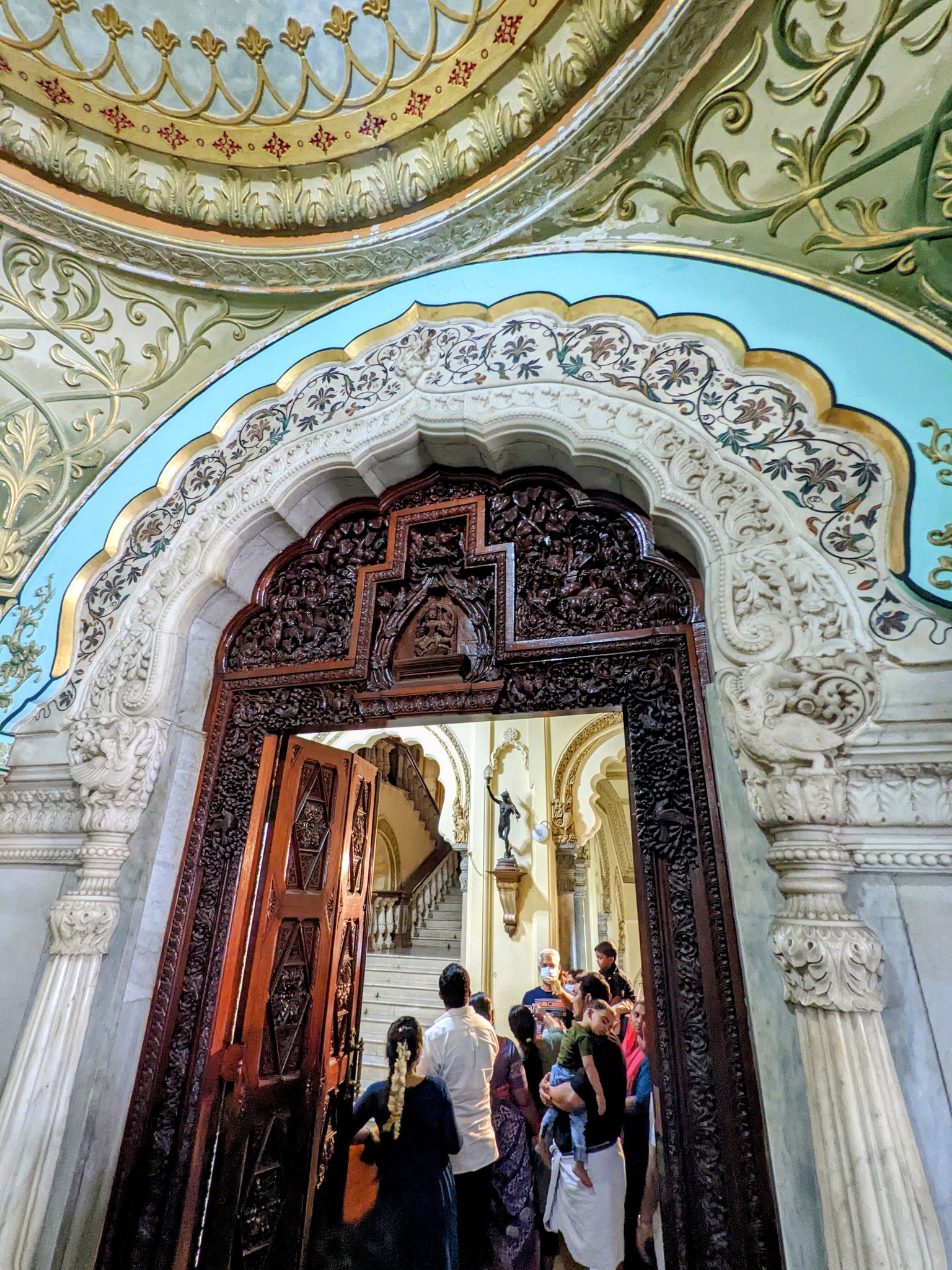
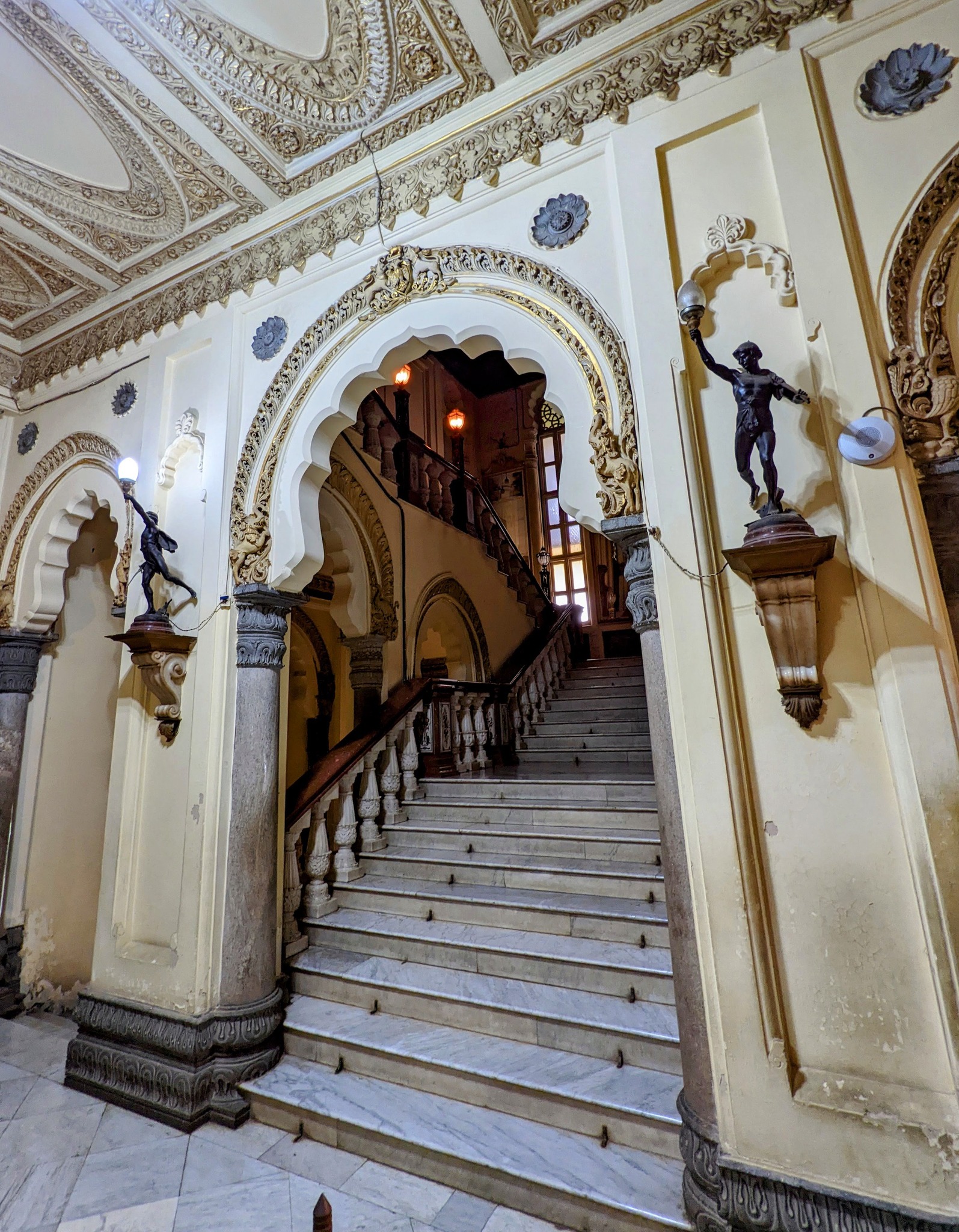
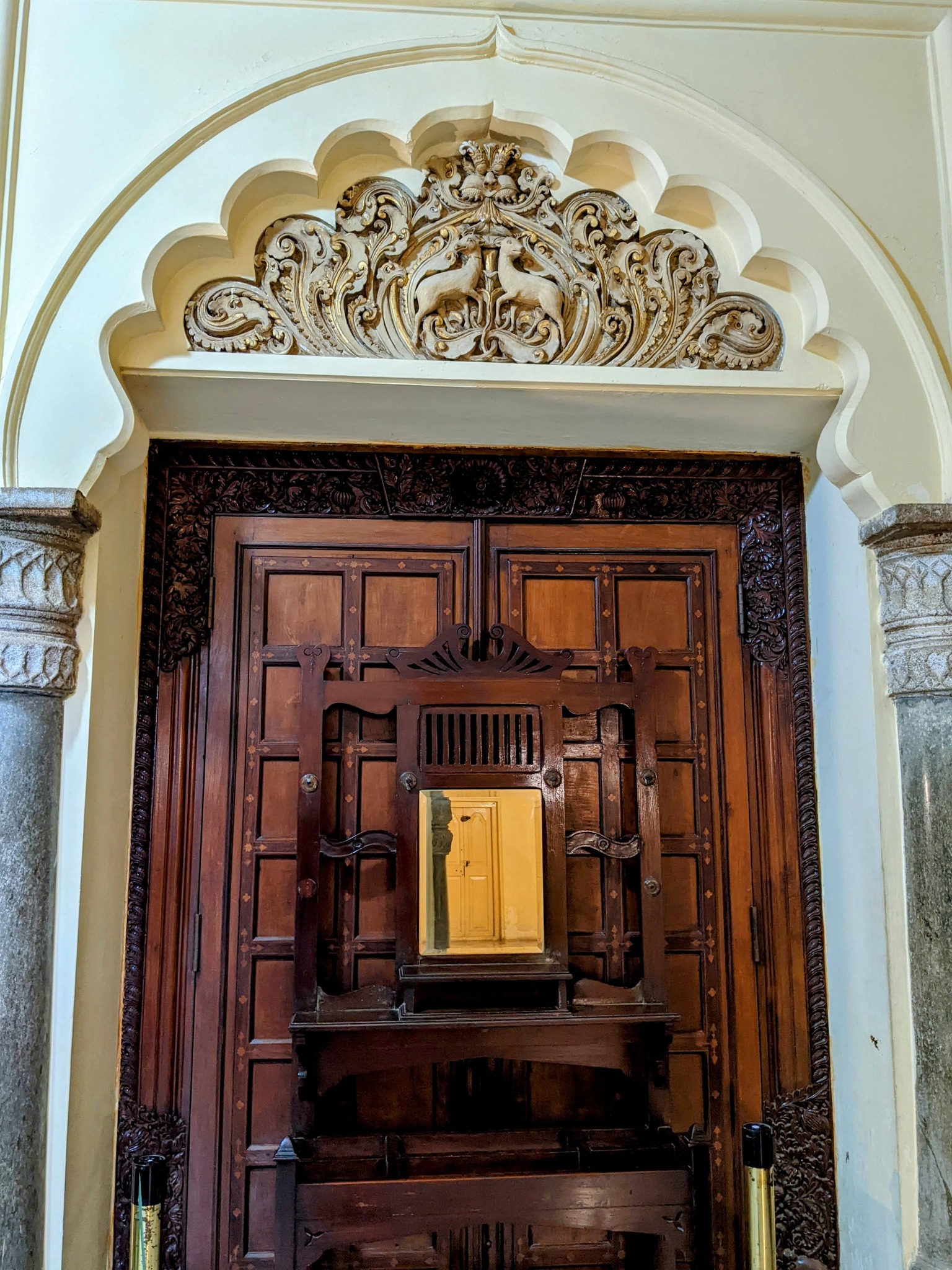
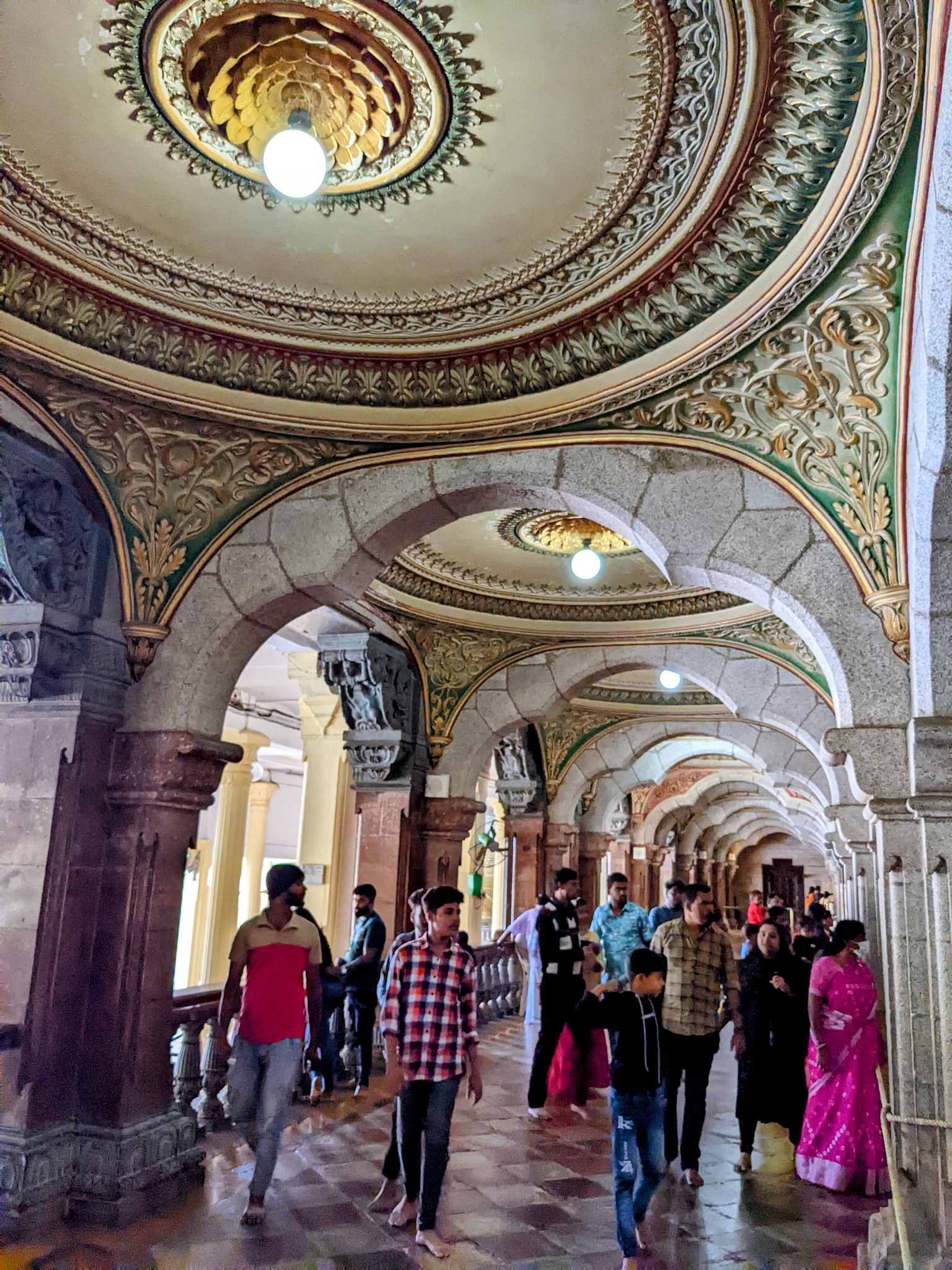
Architecture of the palace combines Hindu, Christian and Muslim elements, highlighting their secularism. The 24 doors of the palace are made of Myanmar teak carved in European style. The golden throne weighs 280 kg. The private hall (where the king meets traders) is covered in paint that uses 80 kg of gold. The whole palace is decorated with stone inlay work like Taj Mahal, with each step of the countless staircases worth 50 lakhs INR. The wedding hall, where the family still holds weddings today, has chandeliers from France and cast iron pillars from America. The changing room is furnished with mirrors from Venice, tiles from England, carpet from Kolkata and so on. A 110-year-old elevator is also still in use. This is a common theme through the palace, highlighting that before the advent of globalization, only Mysore Maharajas could afford such custom furniture made and shipped from around the world. In addition, a room displays the boxes, hand-made from sandalwood, silver and ivory, which the family has received various invitations in. A 750 kg howdah (of which 80 kg is gold), which is worn on the royal elephant, is also on display.
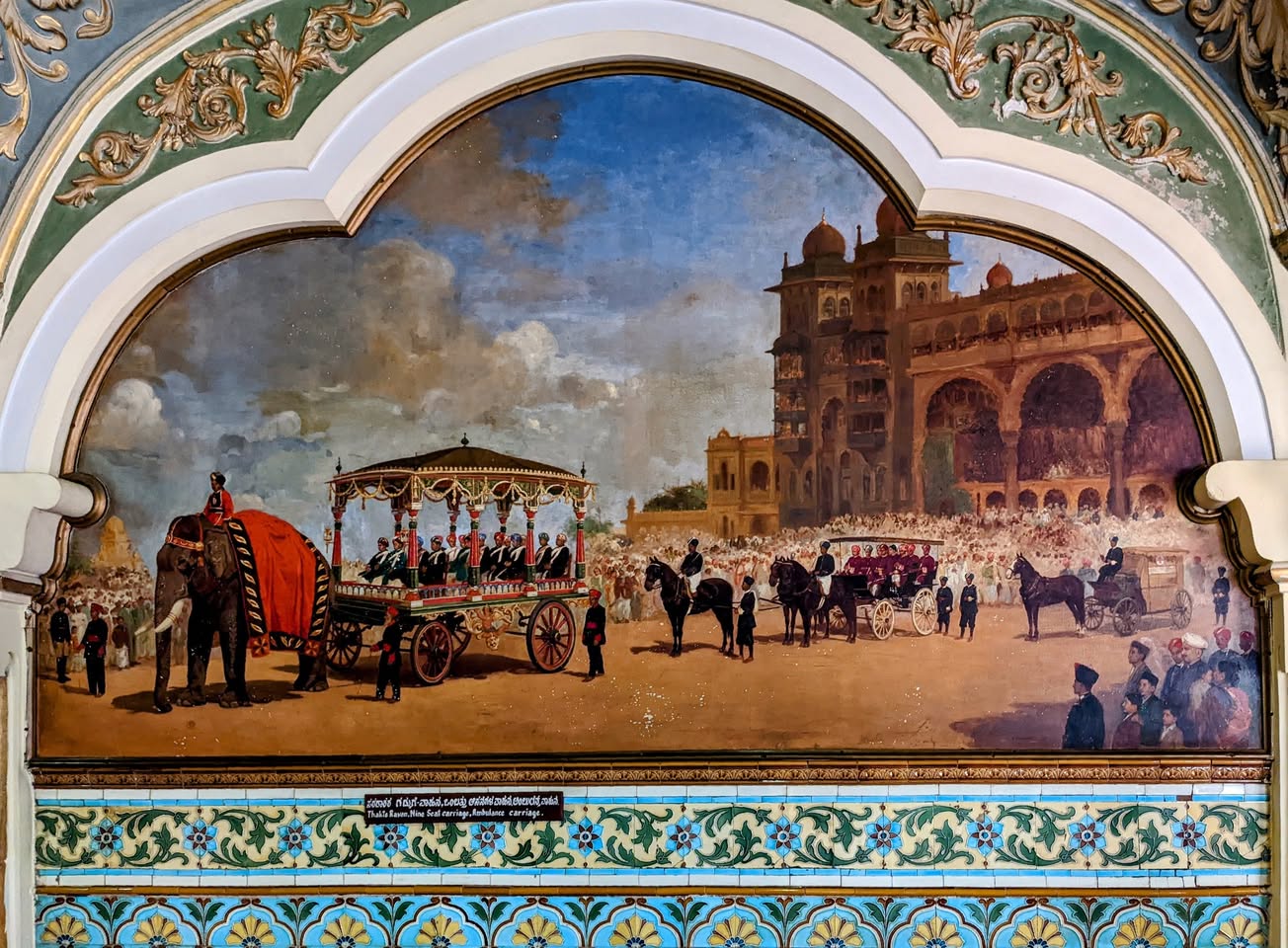
A 4.5 km long perahara-like procession, with camels, elephants, the royal family, ministers, ending with an ambulance, is the key spectacle of the annual Mysuru Dasara festival, celebrated on the 10th day after 9-day Navarathri. It was a tradition started in 1610, to worship the Chamundi devi, and is said to continue without any changes in costume design and structure of the procession.
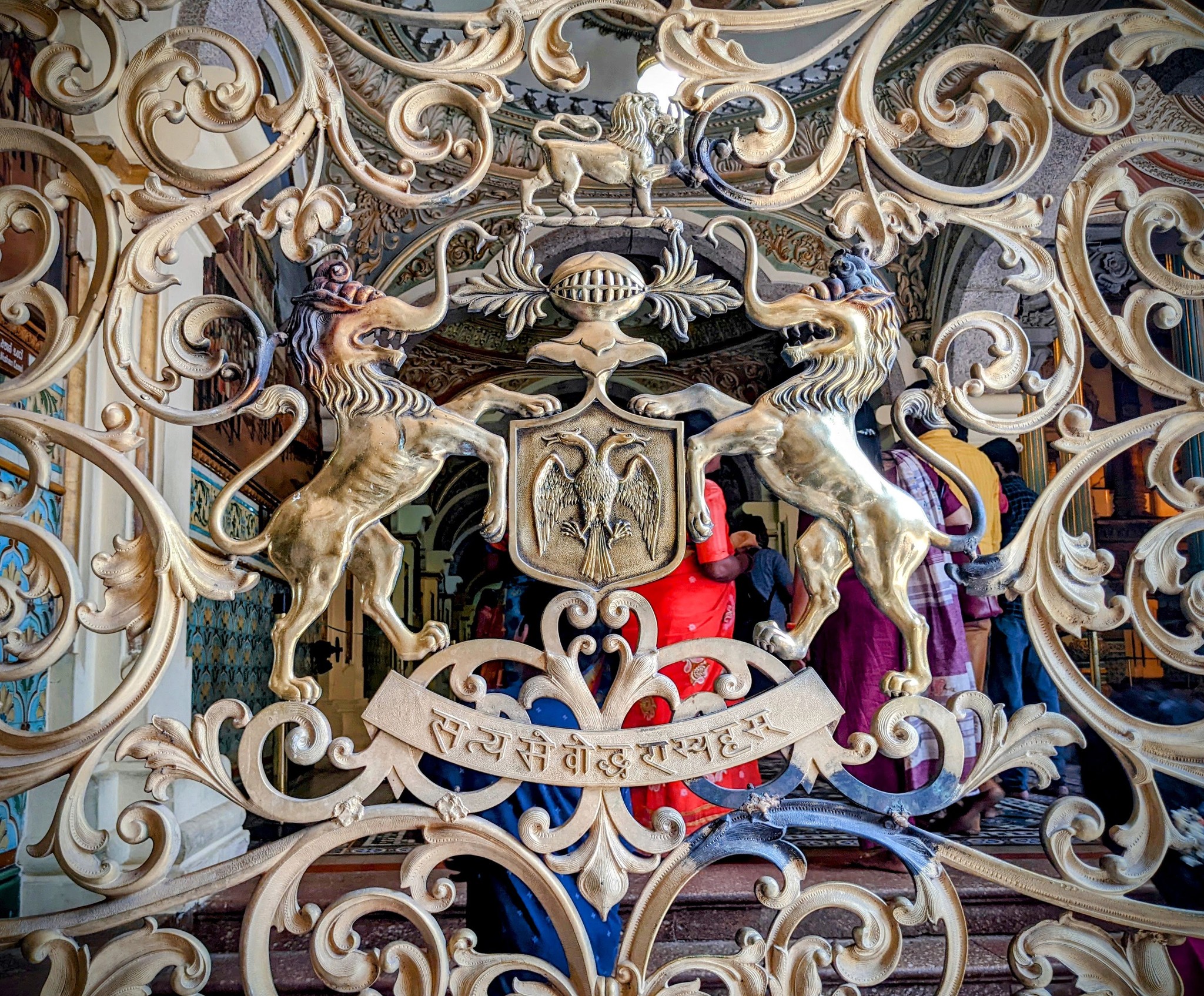
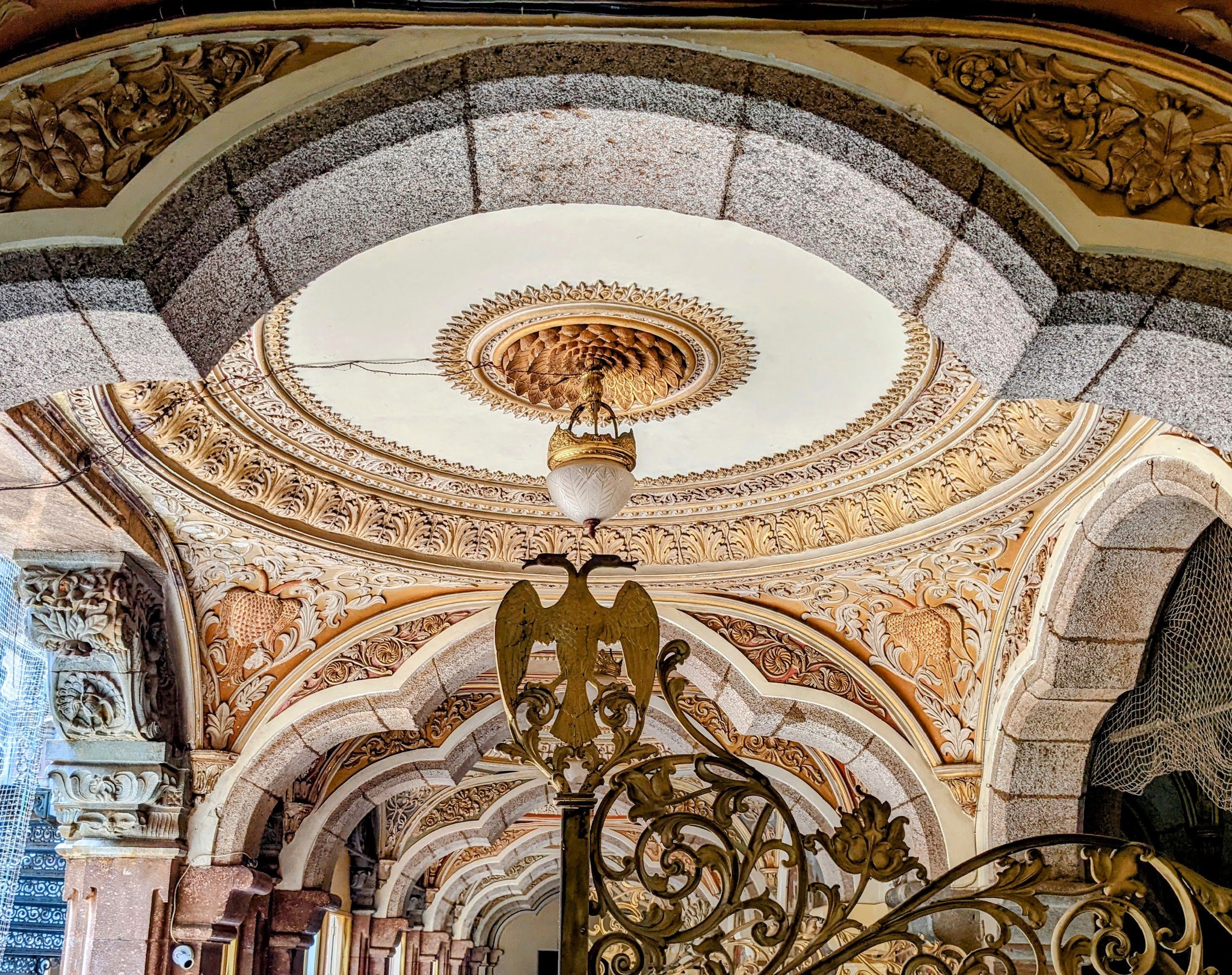
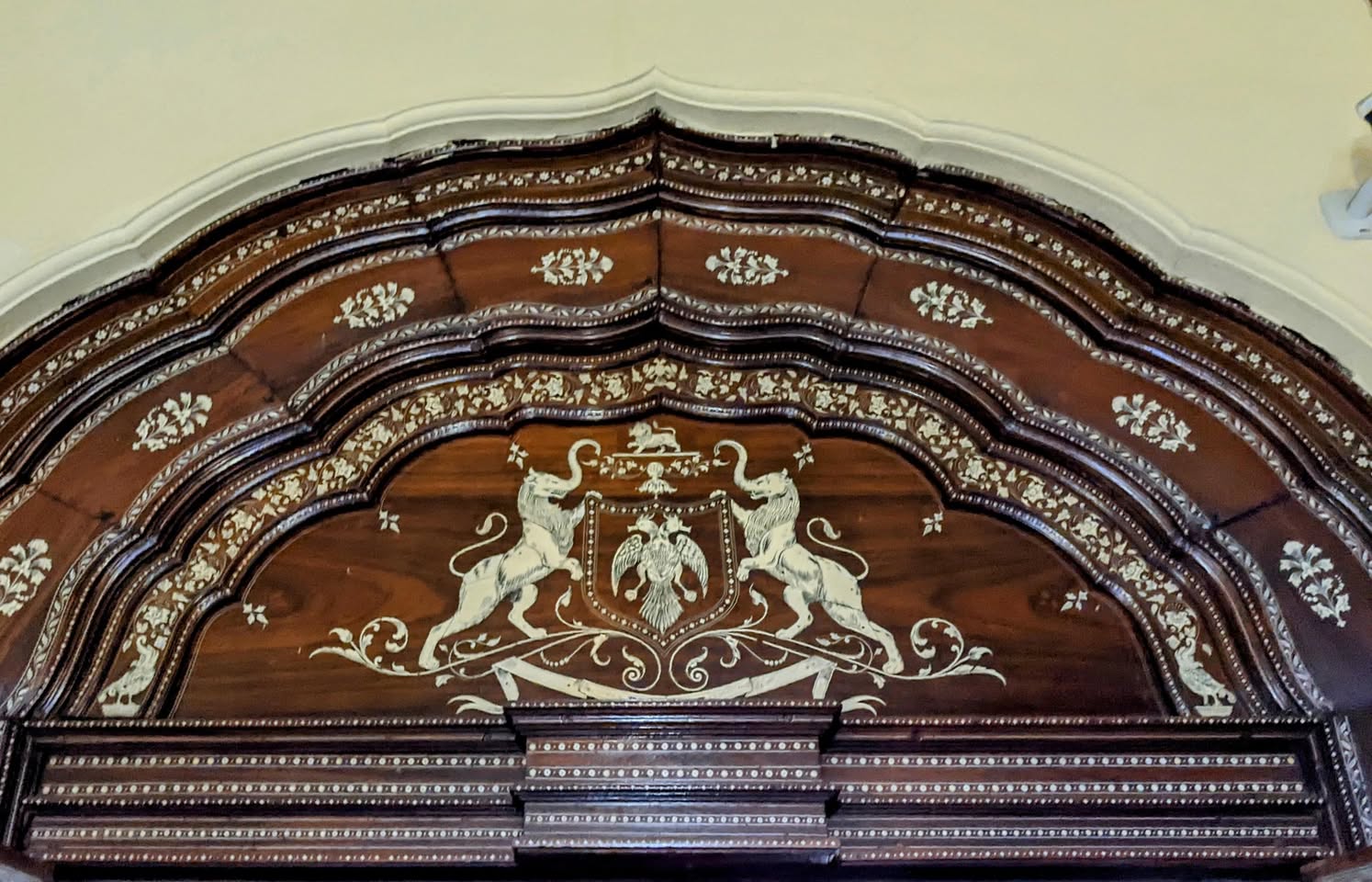
The royal emblem of Wadiyar dynasty and Mysore Kingdom is a double-headed eagle. It started as the symbol of Byzantine (eastern roman) empire and is today used by many countries including Russia (and a brief fiasco where Trump unknowingly altered his presidential seal) as a symbol of “empire”. I was pleasantly surprised to see the Byzantine emblem in Mysore palace.
I wasn’t too hyped to visit here, thinking it is just another one of the countless palaces of India where kings still live. Instead, I was overwhelmed with its architecture, with rich and beautiful interior design, the best I’ve ever seen in my life. It is a must-visit. Make sure to take an official guide as well.